Wildlife in January.
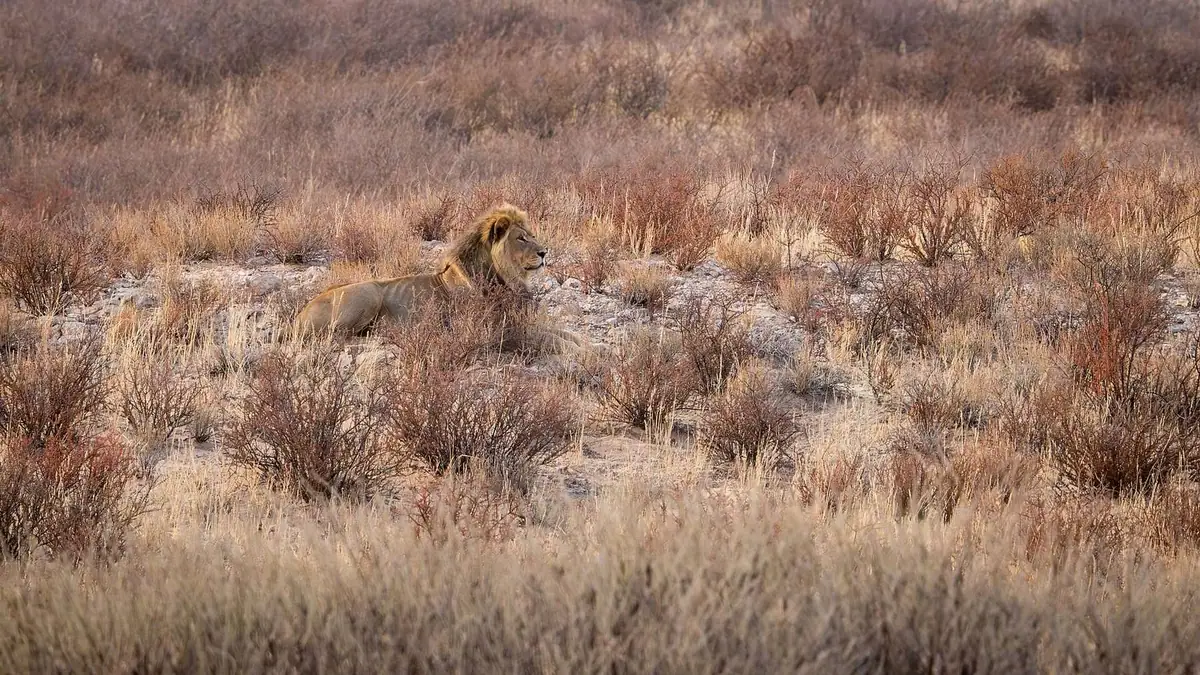
The rain turns the Kalahari’s fossil river valleys into short, sweet grassland, and the antelope come in from the surrounding bush to graze it. Springbok, gemsbok, red hartebeest and blue wildebeest gather in Deception Valley and the neighbouring pans, many with young at foot, and the black-maned Kalahari lions, cheetah and brown hyena follow them.
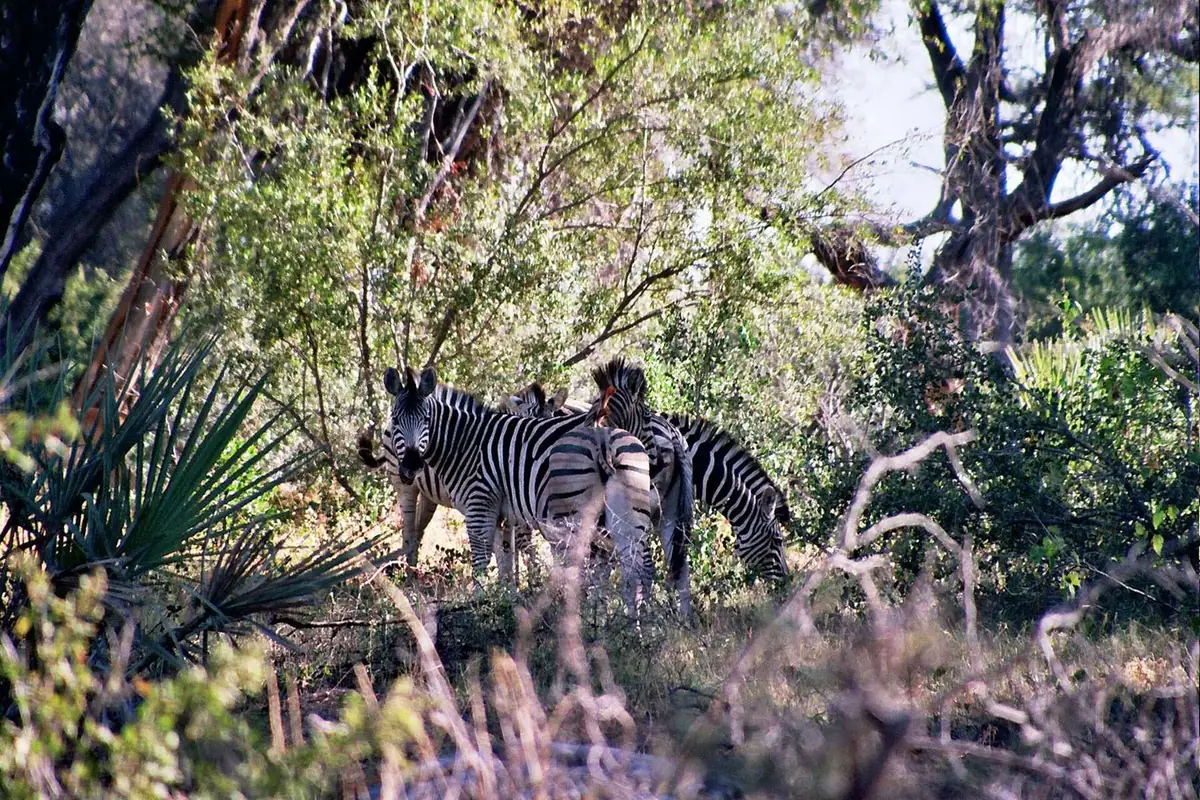
Further east, zebra and wildebeest are on the Makgadikgadi grasslands and around Nxai Pan, where the herds and the predators are easy to find on open ground. In the north, the young antelope born in November and December are growing fast, which keeps the predators busy, and the migrant birds that arrived with the rains are breeding. It is one of the best months of the year for birdwatching.
Where to go in Botswana in January.
Central Kalahari Game Reserve
The first choice for January. Deception Valley and the northern pans hold their best concentrations of the year. See the Central Kalahari.
Makgadikgadi Pans and Nxai Pan
The zebra migration is on the grasslands. Nxai Pan’s waterhole and open plains make the herds and their predators easy to watch. See the Kalahari and the pans.
The Okavango Delta
Quieter and greener, with the water at its lowest. Choose camps on permanent channels for boating, and enjoy the birding. See the Okavango Delta.
January weather in Botswana.
| Average high | 32°C |
|---|---|
| Average low | 19°C |
| Average rainfall | About 100mm, mostly afternoon storms |
| Season | Green season |
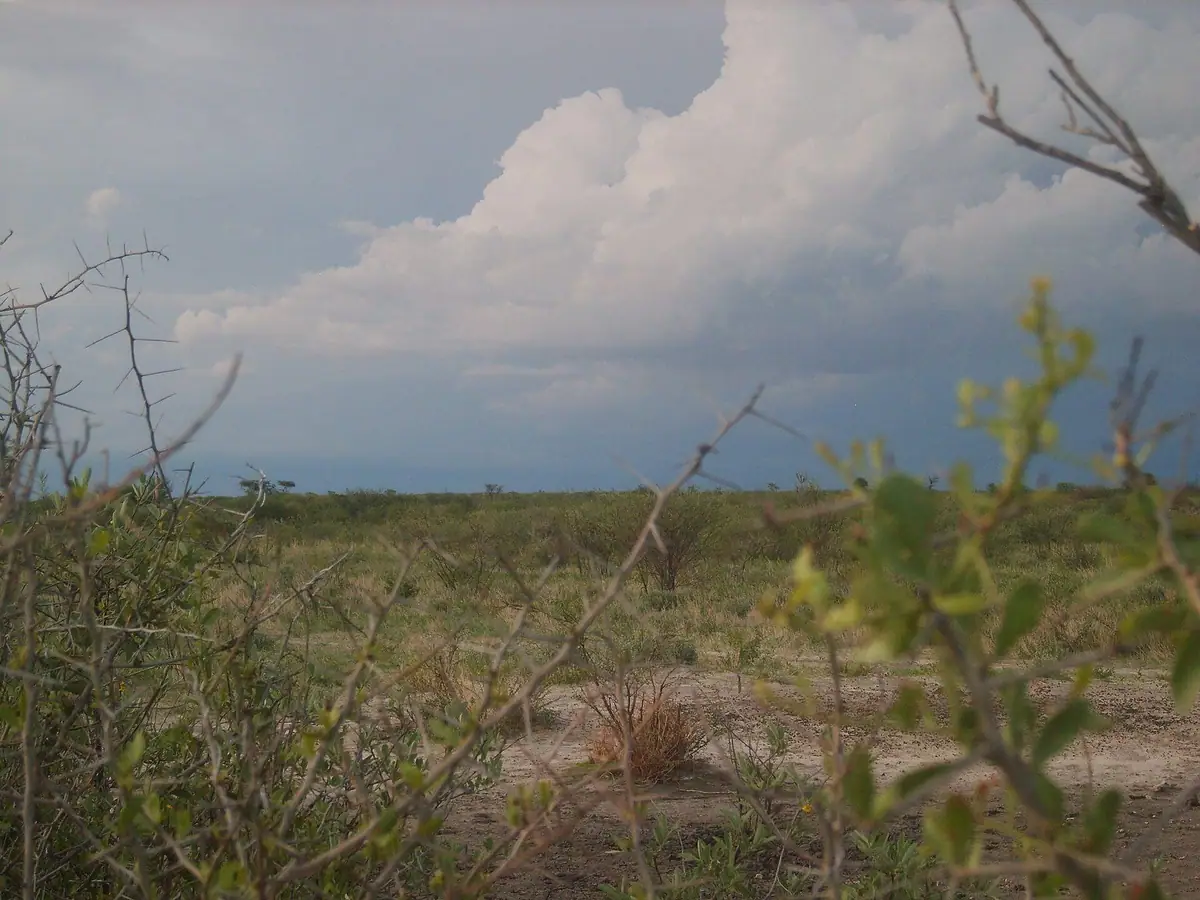
Expect hot, humid days and warm nights. Most rain falls in short, heavy afternoon storms after a clear morning, so game drives rarely lose more than an hour or two. Some tracks become muddy, and a few areas on black-cotton soil are hard to reach by road, which is why fly-in camps and private concessions work better now.
Figures are long-term averages for Maun, the gateway to the Delta. See the full climate table.
Prices, crowds and booking.
January carries the lowest rates of the year, up to 40% below peak at the same camp, except over the first days of the month, when festive-season pricing and minimum stays still apply. Many camps offer extra nights free on longer stays. Availability is good; six to nine months’ notice is usually plenty.
Some mobile camping operations close for the wettest weeks, so January suits lodges and permanent tented camps better than a mobile safari.
What to pack for January.
Light, breathable clothes in neutral colours, a light waterproof jacket for the storms, a wide-brimmed hat and strong sun cream. Evenings stay warm. Malaria risk is higher in the north in the rainy months, so take advice on antimalarials and bring a good insect repellent.
Our packing guide has the full checklist and the soft-bag rules for light aircraft.
Journeys that suit January.
- The Zebra Migration: 6 days on the Makgadikgadi and Nxai Pan, December to March only.
- Kalahari & Meerkats: 5 days in the Central Kalahari and on the pans.
- Delta & Desert: 7 days: the Okavango, Moremi and the Kalahari, at any level.
Every journey is a private departure and can start on any day. We adjust the route to the month you travel.