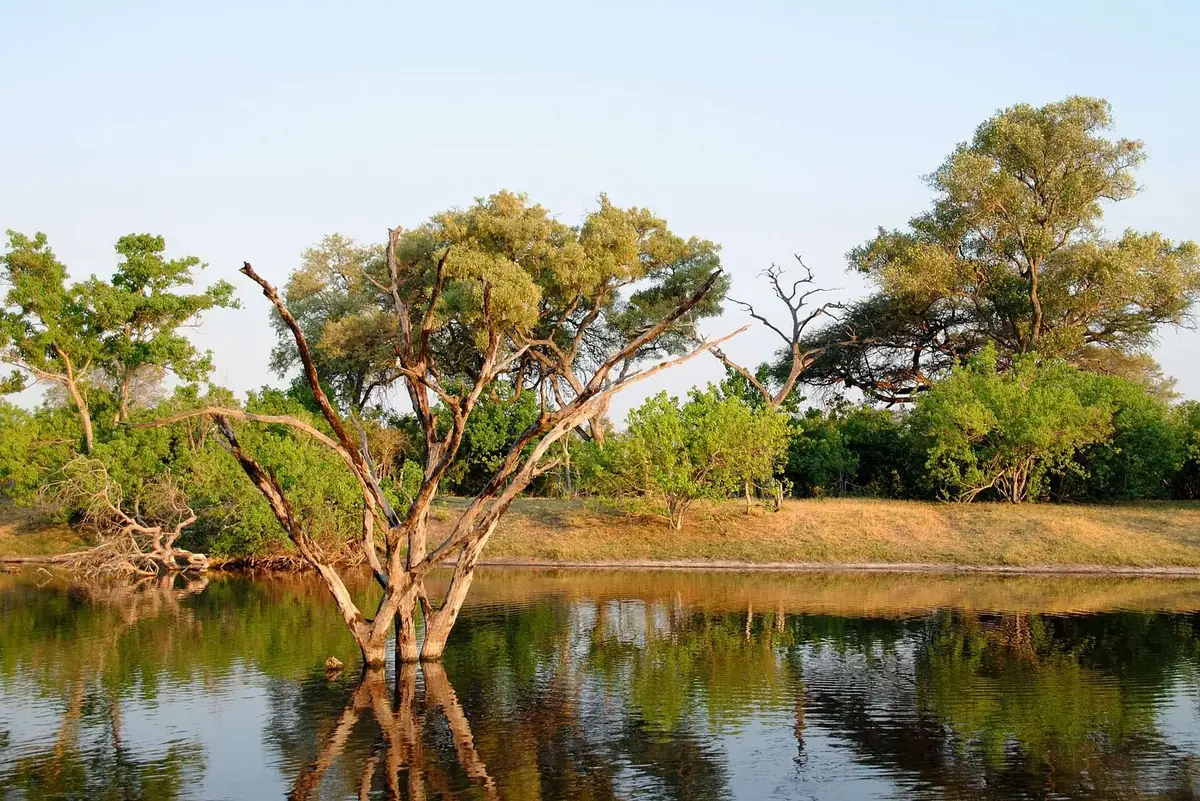
Savuti: lion country in the dry heart of Chobe.
A marsh fed by a channel that vanishes for decades and then returns. In the dry years the lions here learned to hunt elephant.
The channel that comes and goes.
Savuti lies in the south-west of Chobe National Park, roughly halfway between the Linyanti and the Mababe Depression. Its centrepiece is the Savuti Marsh, fed by the Savuti Channel from the Linyanti swamps to the north. When the channel flows, the marsh floods and grows green. When it stops, the marsh turns to open grassland and the game has to depend on a few pumped waterholes.
The channel has stopped and started repeatedly in recorded history. It ran dry in the early 1980s and stayed dry for the best part of twenty-five years, long enough for a generation of guides to have never seen water in it. Around 2008 it began to flow again. Why it switches is still argued over, and small tectonic shifts in the land are the most common explanation.
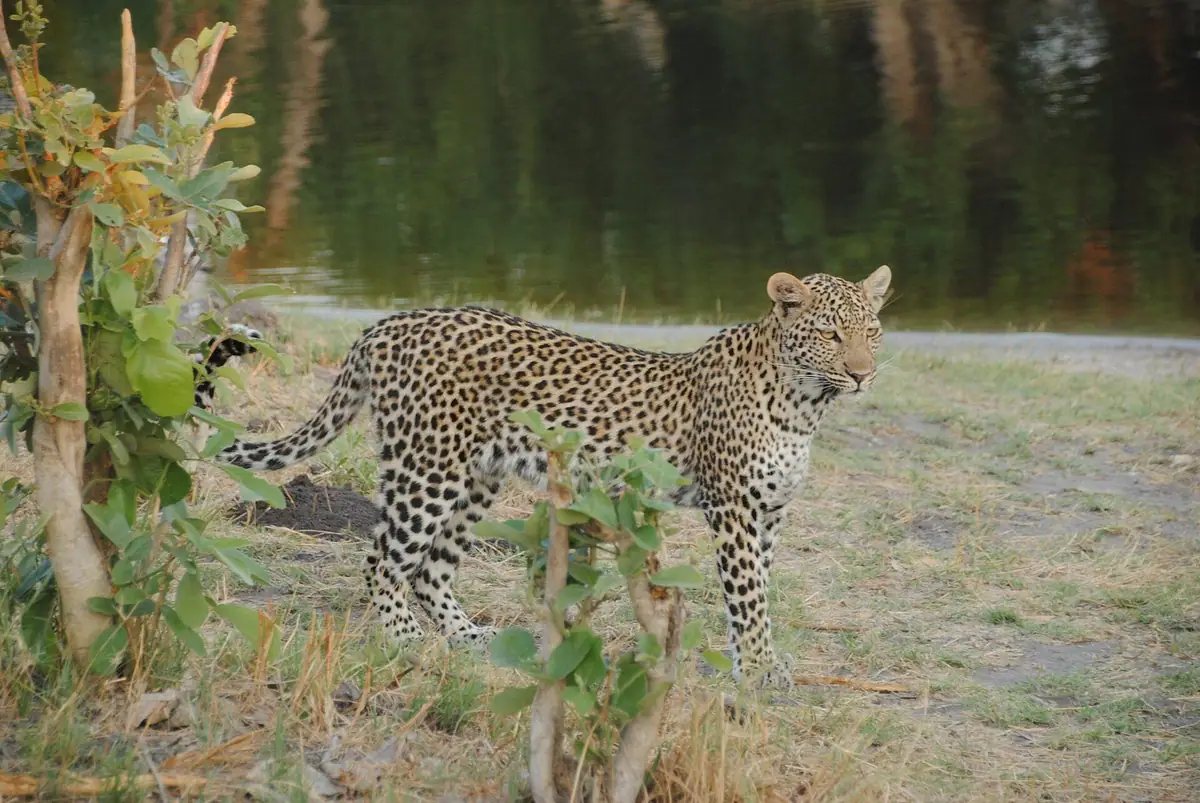
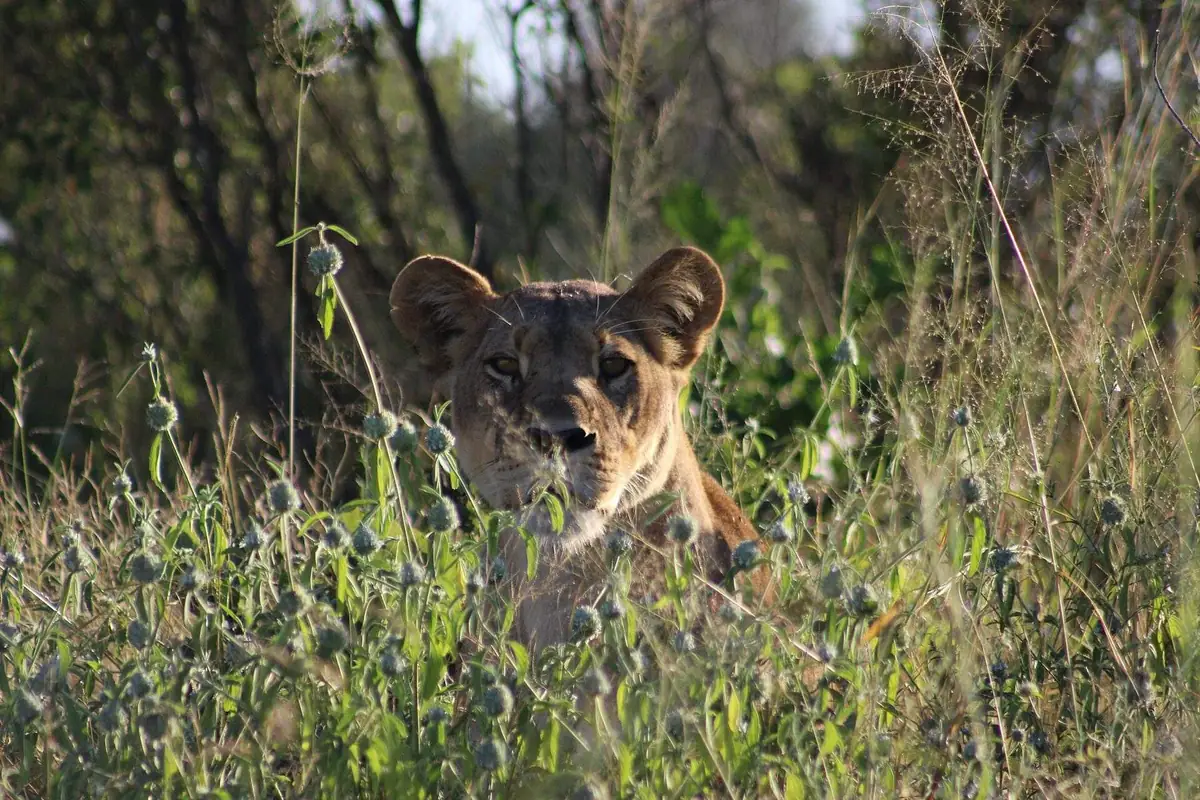
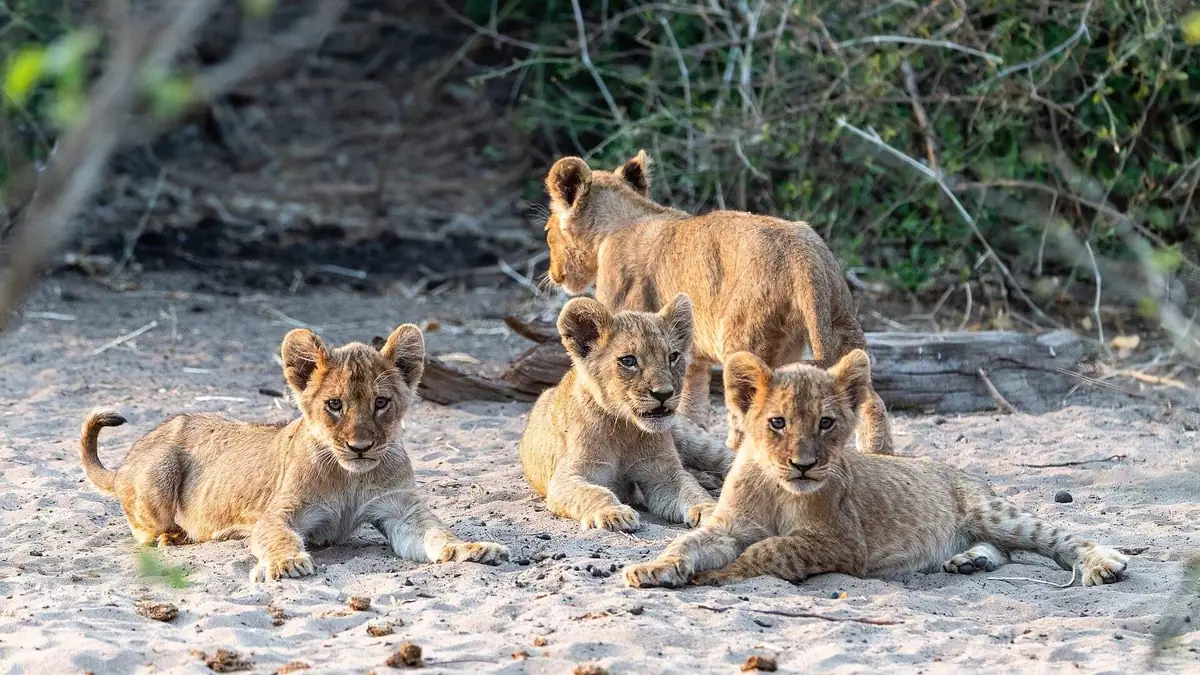
Those boom-and-bust years shaped the predators. The Savuti lion prides are large, and during the dry decades some of them took to hunting elephant, behaviour documented by the filmmakers Dereck and Beverly Joubert and rarely seen anywhere else. It is formidable country, and among the best for predator action in northern Botswana.
Savuti: the essentials.
- WhereSouth-western Chobe National Park, between the Linyanti and the Mababe Depression
- Best monthsJuly to October for predators and elephant; zebra pass through with the rains
- Getting thereBy light aircraft to the Savuti airstrip, or a long sand drive from Maun or Kasane
- How you see itGame drives on the marsh and the sandridge, within national park rules
- Also hereSan rock paintings at the Gubatsa Hills
- Who it suitsPredator enthusiasts, photographers, and mobile safaris between Moremi and Chobe
Why people come back to Savuti.
The prides
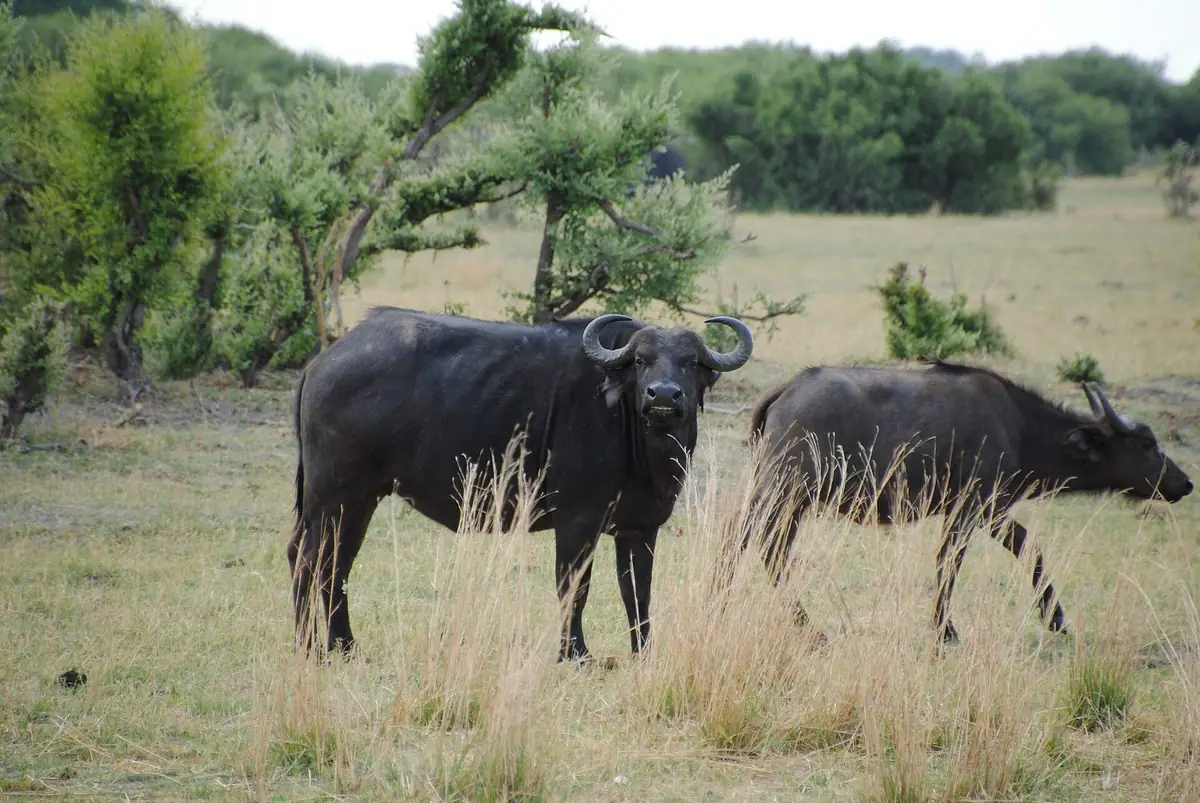
Large, well-studied lion prides that hunt buffalo, zebra and, in the leanest years, young elephant. Some of the most filmed lions in Africa.
The marsh
When dry, a wide grass plain where cheetah hunt and wildebeest graze. When the channel runs, a wetland full of birds. It is a different place from one decade to the next.
The Savuti Channel
Dead camelthorn trees, drowned by earlier floods, still stand along its banks. Whether it is flowing on your dates is one of the first things we check.
Elephant at the waterholes
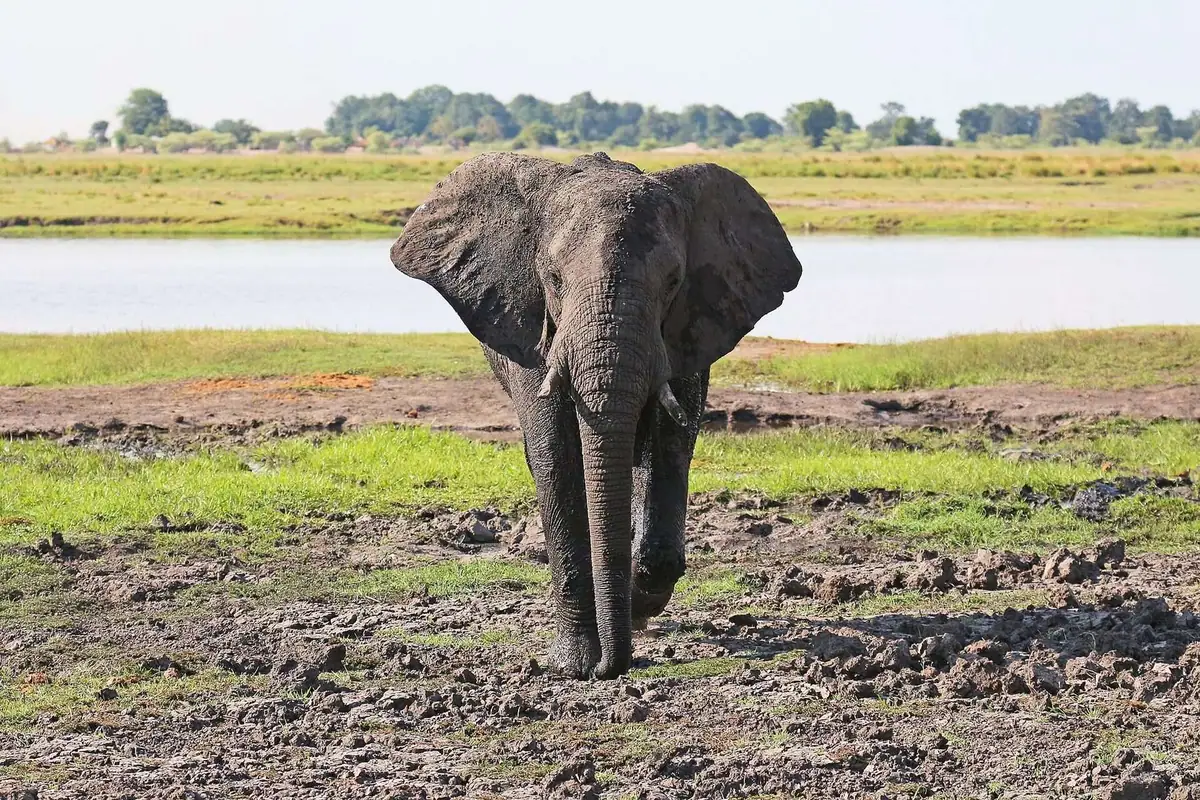
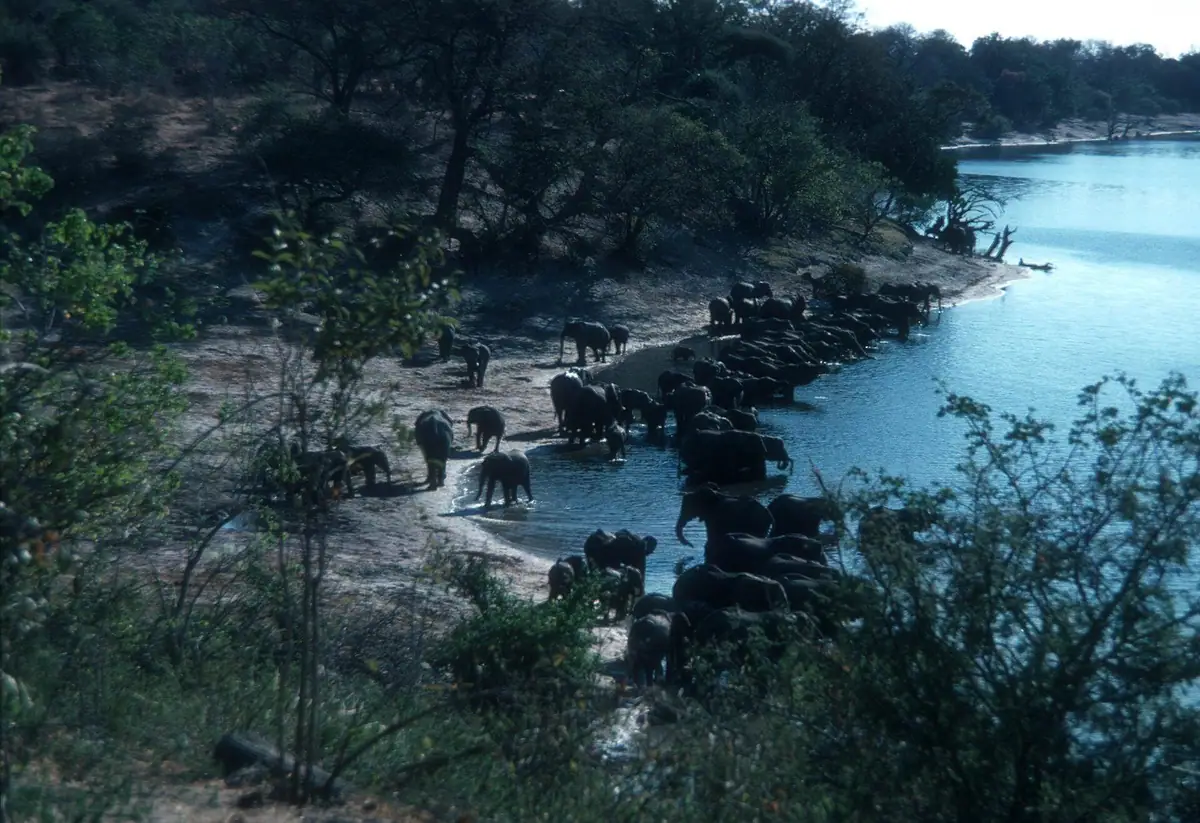
In the dry months, bulls crowd the pumped waterholes in long queues, pushing and posturing for the cleanest water. Hours of it, at close range.
The Gubatsa Hills
Rocky outcrops above the marsh with San paintings on the rock faces, and the view from the top across the whole Savuti plain.
The zebra passing through
Zebra move between the Linyanti and Savuti with the rains, usually around November and December and back again in about March and April. Timing shifts with the season.
What guests ask us about Savuti.
Is Savuti part of Chobe National Park?
Is the Savuti Channel flowing at the moment?
It changes. The channel flowed again from around 2008 after a long dry spell, and it has advanced and retreated since depending on rainfall upstream. The level decides where the game concentrates, so we check conditions before your dates are fixed rather than relying on last year’s picture.
What makes Savuti’s lions different?
Size and behaviour. The prides are unusually large and some have been documented hunting elephant, which is rare, driven by the marsh’s boom-and-bust water cycle and the scarcity of other prey in the dry months.
How do you get to Savuti?
Most guests fly, in about half an hour from Kasane or Maun. By road it is a long day through deep sand from either town, which is why mobile safaris usually reach it as part of a route between Moremi and Chobe rather than as a destination on its own.
How many nights should we spend in Savuti?
Two or three. Two gives you the marsh and the waterholes; three lets you follow the prides properly and climb the Gubatsa Hills. It pairs naturally with the Chobe riverfront or the Linyanti.
How to fit Savuti into a journey.
It features in these three signature journeys, and we build it into tailor-made routes all the time.
Keep reading
- Chobe National Park — Savuti, the riverfront and the Linyanti side by side
- Botswana’s private concessions — night drives and walking, next door to Savuti
- Photographic safaris — how we plan a trip around the light and the cats
Thinking about Savuti?
Tell us when you can travel and what you most want to see, and we will tell you honestly how many nights it deserves and what to pair it with.