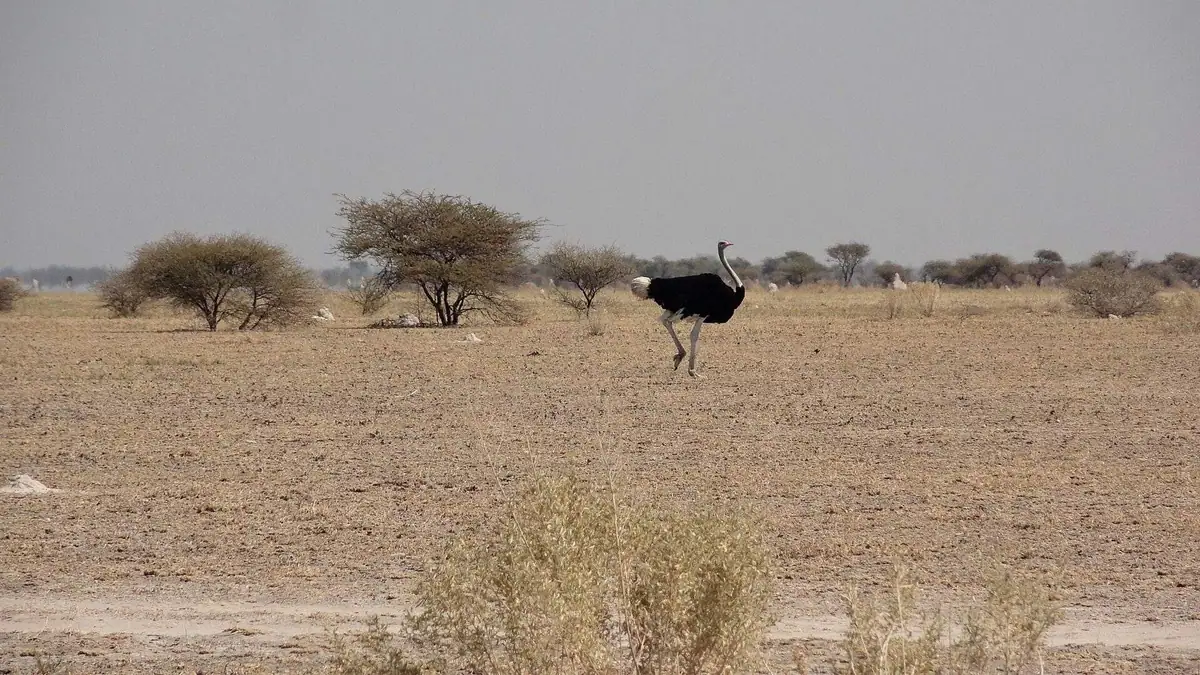
Nxai Pan: a grass-floored lake bed, and the baobabs Baines painted.
North of the Makgadikgadi, across the Maun–Nata road. Pale and quiet in the dry months; after the rains, springbok, zebra and oryx drop their young on the open pan.
An old lake bed, short grass and very long views.
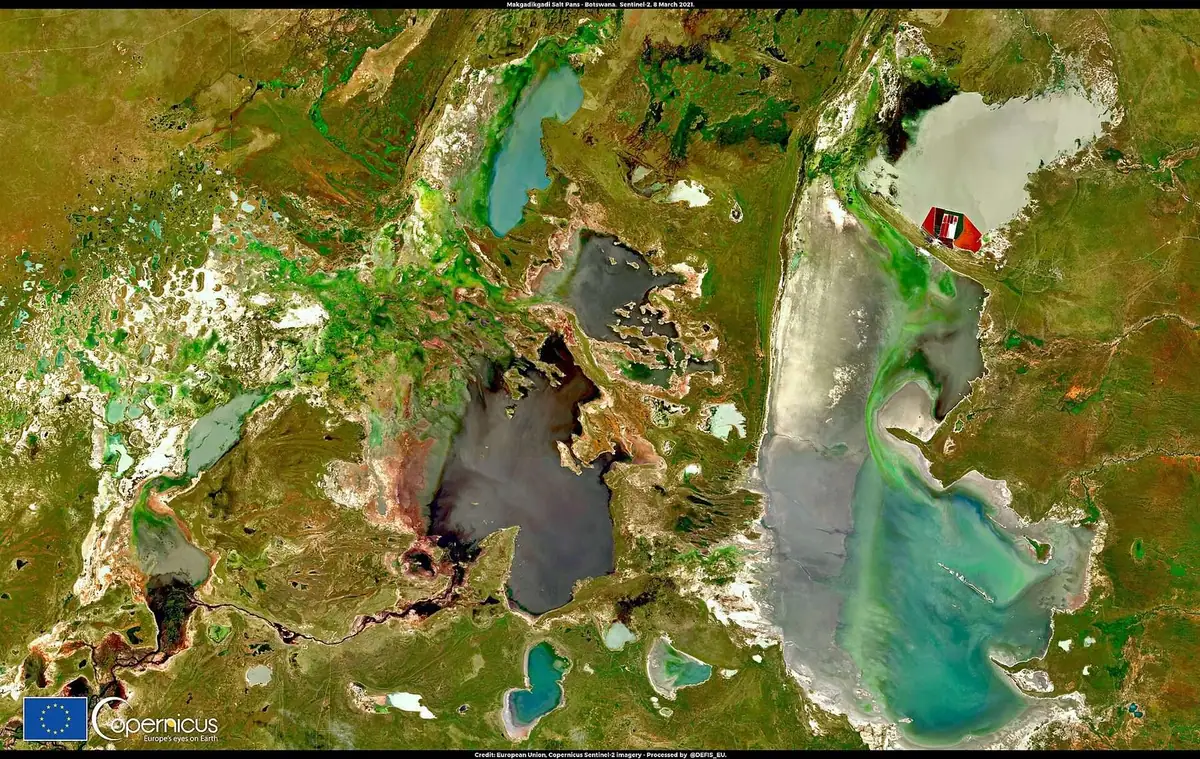
Nxai Pan belongs to the same ancient lake system as the Makgadikgadi, but where the Makgadikgadi is salt, Nxai is grassed over. The national park covers about 2,600 square kilometres, separated from Makgadikgadi Pans National Park by the main road between Maun and Nata, and the two are managed together.
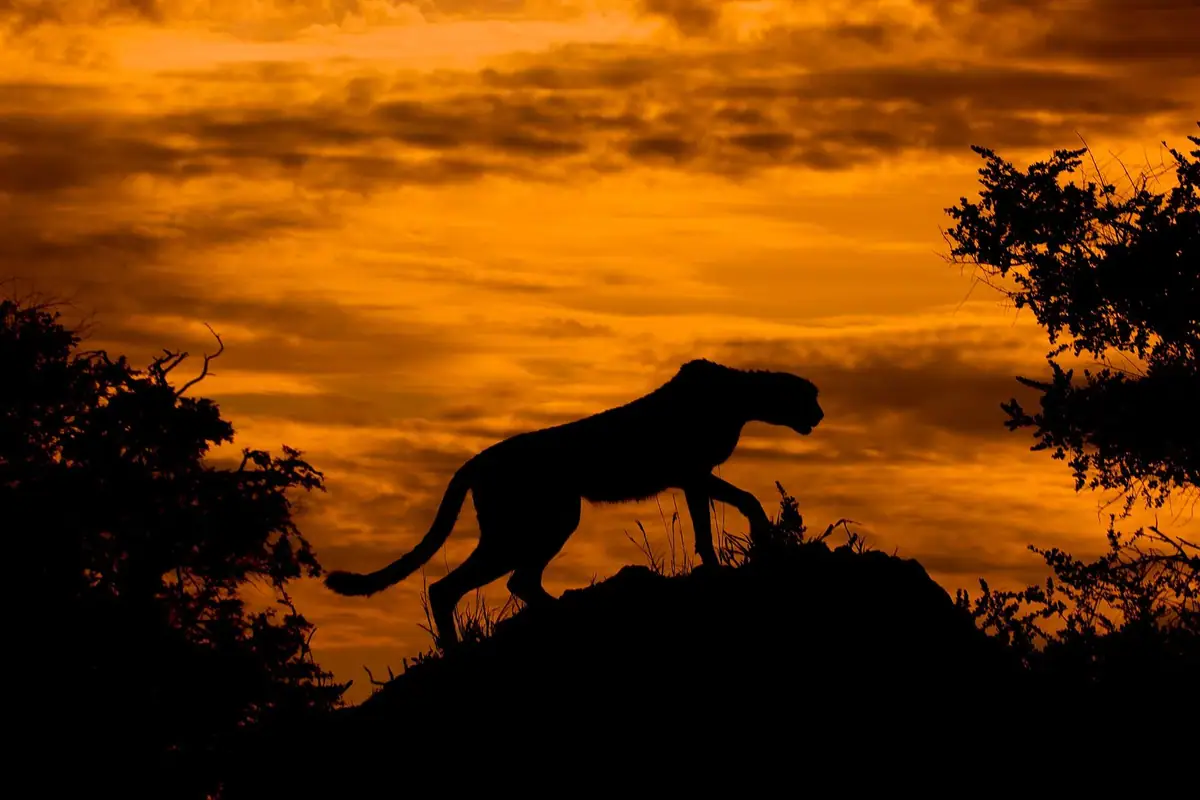
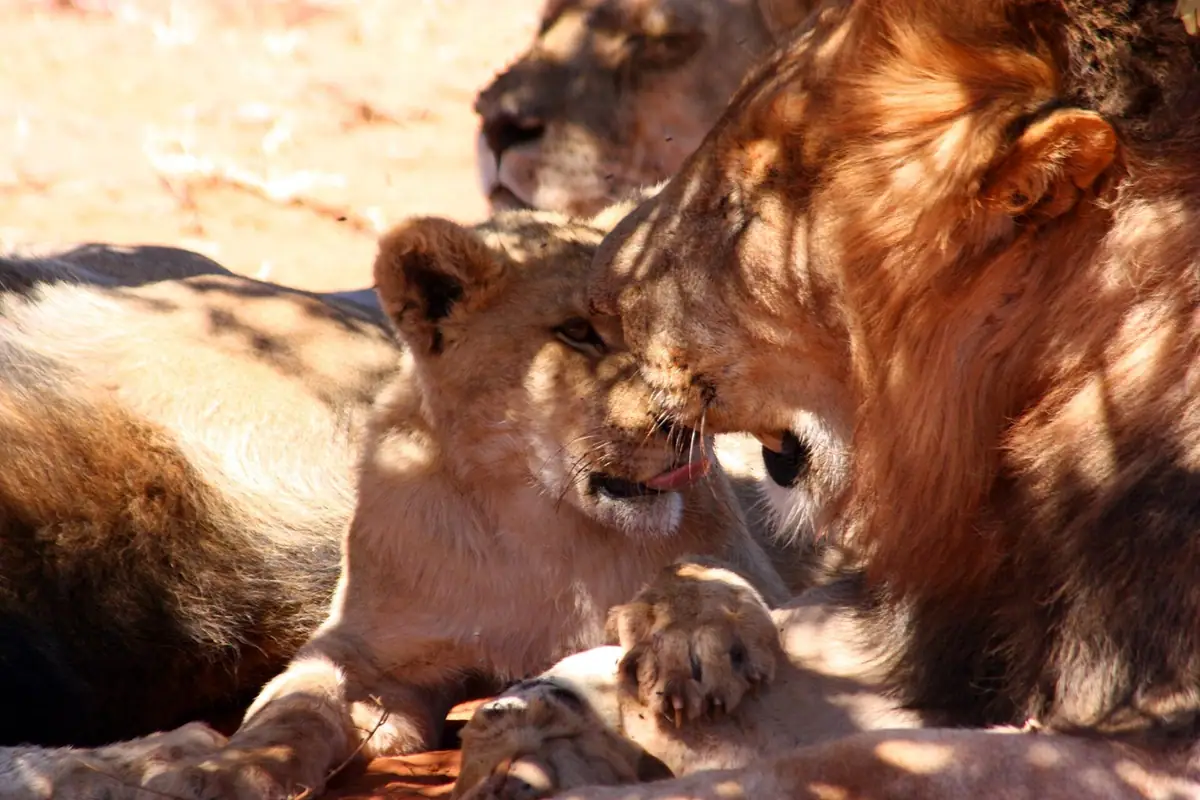
In the green season, from about December to April, it is one of the most rewarding places in Botswana. Zebra and wildebeest arrive with the rain, springbok and oryx calve on the short grass, and cheetah and lion hunt across open ground where you can see the whole thing happen. Bat-eared foxes den around the edges. In the dry season, game thins out, but elephant bulls come long distances to the pumped waterhole near the camp.
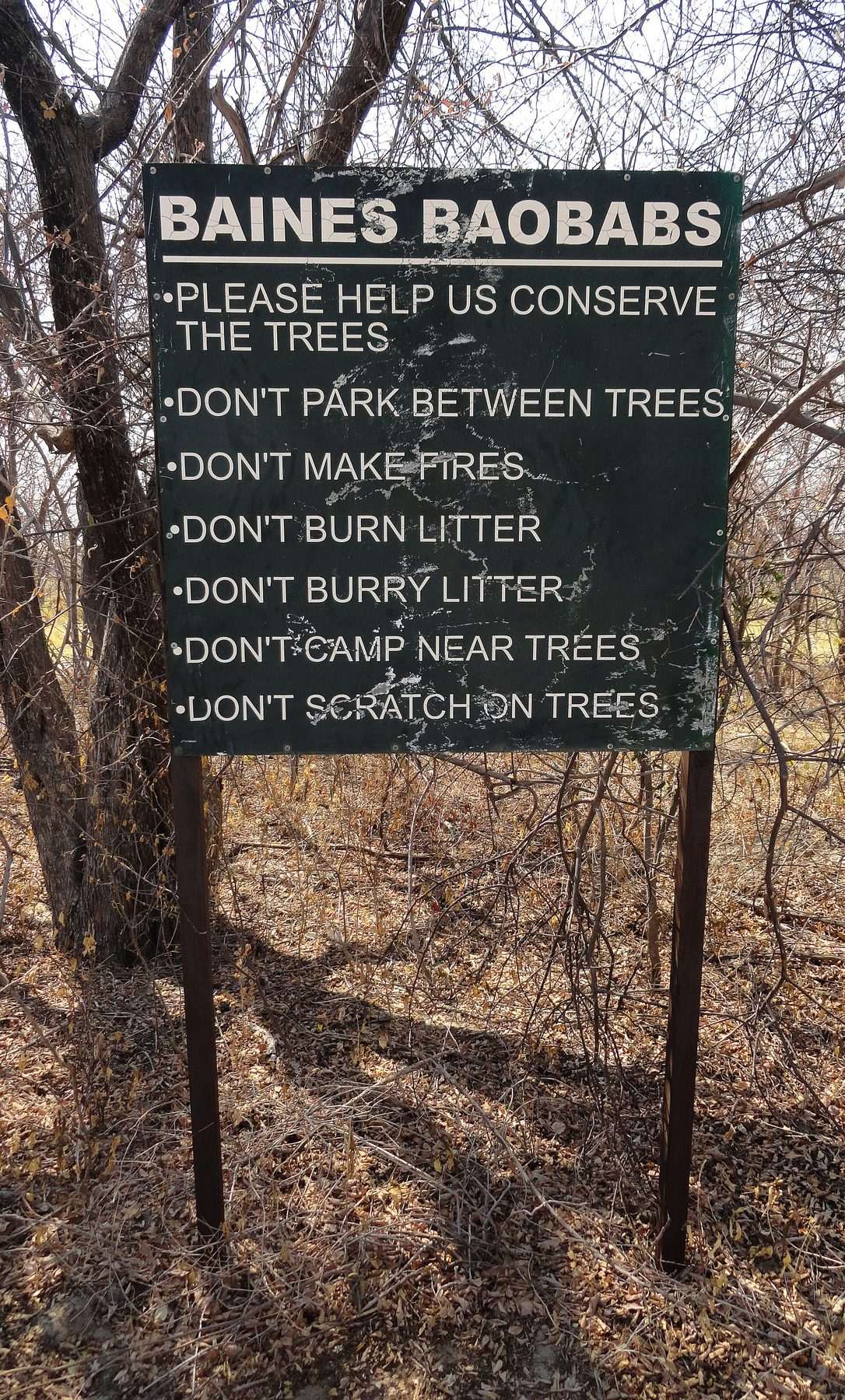
On the southern edge, on Kudiakam Pan, stand Baines’ Baobabs. The artist and explorer Thomas Baines painted them in 1862, and set beside his picture, the trees today look almost unchanged. Sunrise there is one of the quiet set pieces of a Botswana journey.
Nxai Pan National Park: the essentials.
- WhereNorth of the Makgadikgadi, off the Maun–Nata road
- SizeAbout 2,600 km²
- Best monthsDecember to April, the green season
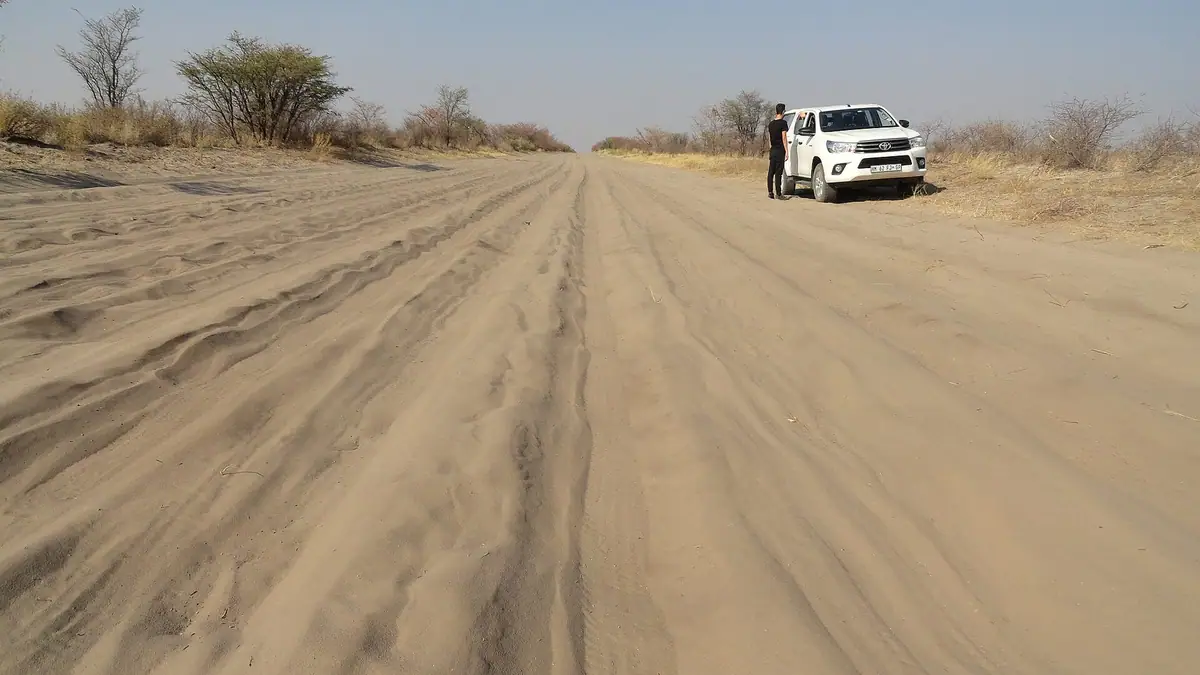
- Getting thereTwo to three hours by 4×4 from Maun; the last stretch is deep sand
- How you see itGame drives, and a sunrise or a night at Baines’ Baobabs
- Who it suitsGreen-season travellers, photographers and mobile safaris
Why Nxai Pan is worth the sand road.
Baines’ Baobabs
A stand of ancient baobabs on the edge of a small salt pan, painted by Thomas Baines in 1862 and barely changed since. Best at first light.
Green-season births
Springbok and oryx calve on the open grass after the rains, and the young draw every predator in the park.
Cheetah in the open
Short grass and wide views make Nxai one of the better places in Botswana to watch a cheetah hunt from start to finish.
Elephant at the waterhole
In the dry months, bulls queue at the pumped waterhole near the camp, sometimes dozens at a time.
The northern end of the migration
Zebra and wildebeest reach Nxai with the rains, linking it with the Makgadikgadi grasslands to the south.
Camping at the baobabs
A few campsites sit beside Baines’ Baobabs, and a mobile safari can spend a night beneath them.
What guests ask us about Nxai Pan.
When is Nxai Pan at its best?
December to April, once the rains have greened the grass and the herds and their young are on the pan. Afternoon storms are part of the experience, and the light after them is extraordinary.
Is Nxai Pan worth visiting in the dry season?
For a shorter stay, yes. The elephant at the waterhole and Baines’ Baobabs are there year-round, and it is very quiet. But the plains game has largely moved on, so we would not build a dry-season trip around it.
Can you visit Baines’ Baobabs?
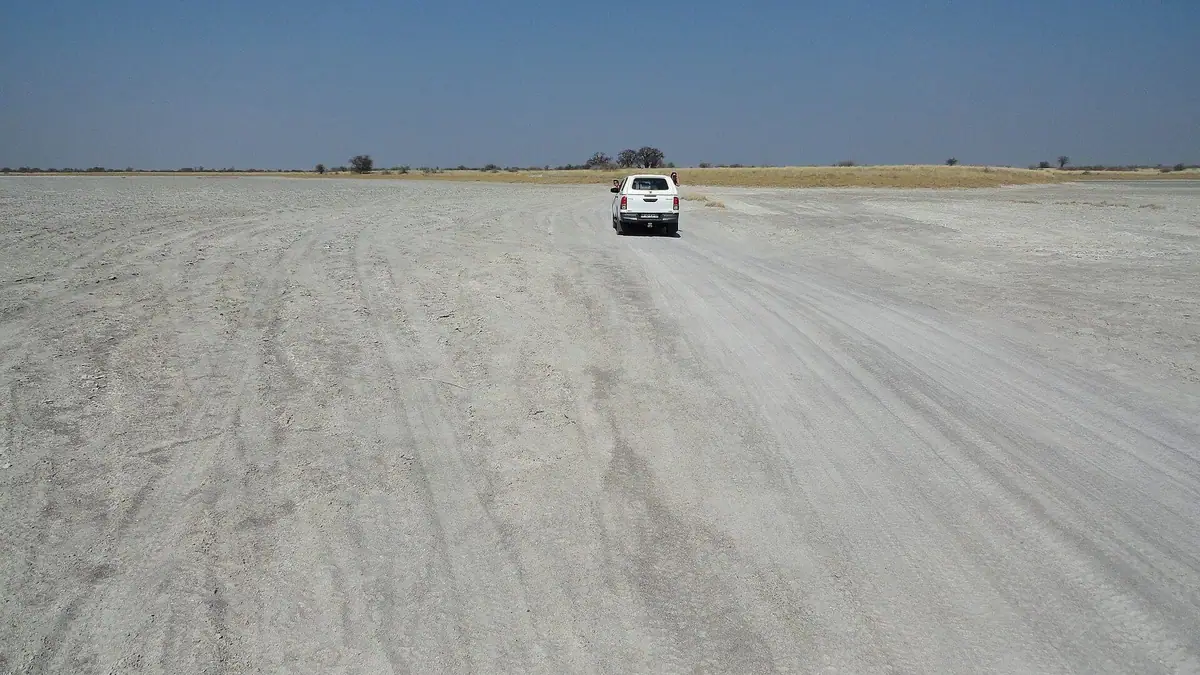
Yes. A sand track crosses to Kudiakam Pan, and in the wet season some of the pan crossings become impassable, so a longer route is used. A sunrise visit is the one we recommend.
Nxai Pan or the Makgadikgadi?
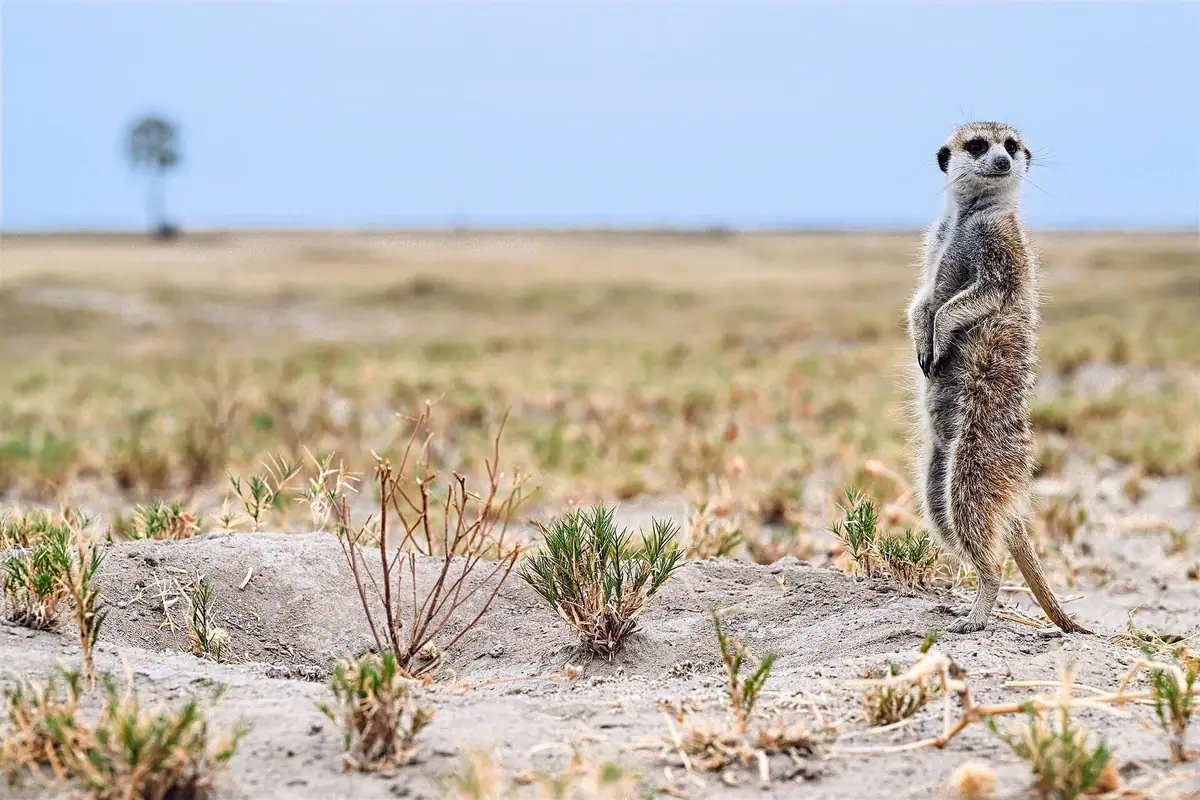
Ideally both: they sit either side of one road. Nxai is better for green-season game and the baobabs; the Makgadikgadi has the salt pans, the meerkats and the Boteti River. Two nights in each makes a good pairing.
How to fit Nxai Pan into a journey.
It is part of this signature journey, and we build it into tailor-made routes all the time.
Keep reading
- The Kalahari and the salt pans — Nxai, the Makgadikgadi and the Central Kalahari together
- The Zebra Migration — the six-day route across both pans
- Botswana’s green season — what changes between December and March
Thinking about Nxai Pan?
Tell us when you can travel and what you most want to see, and we will tell you honestly how many nights it deserves and what to pair it with.