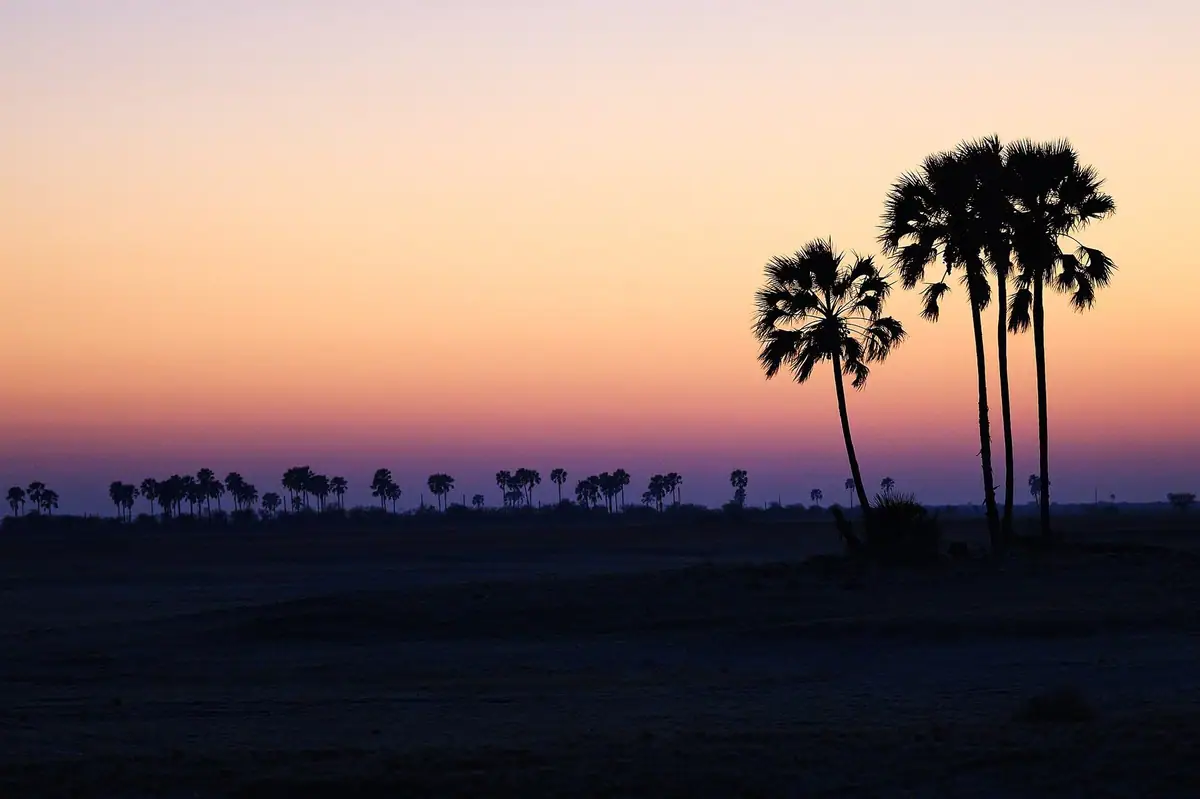
Kalahari and Makgadikgadi Pans safaris: where the horizon stops existing.
The second-largest protected area in the world, salt flats the size of Switzerland, black-maned lions, meerkats and Africa’s longest mammal migration.
About as far from the Delta as the country gets.
After a week of water, reeds and palm islands, the Kalahari lands as a shock. There is no standing water at all. The land runs flat to the edge of sight. At night the silence is complete in a way most people have never actually experienced, and the stars come out so dense that photographs of them look overdone.
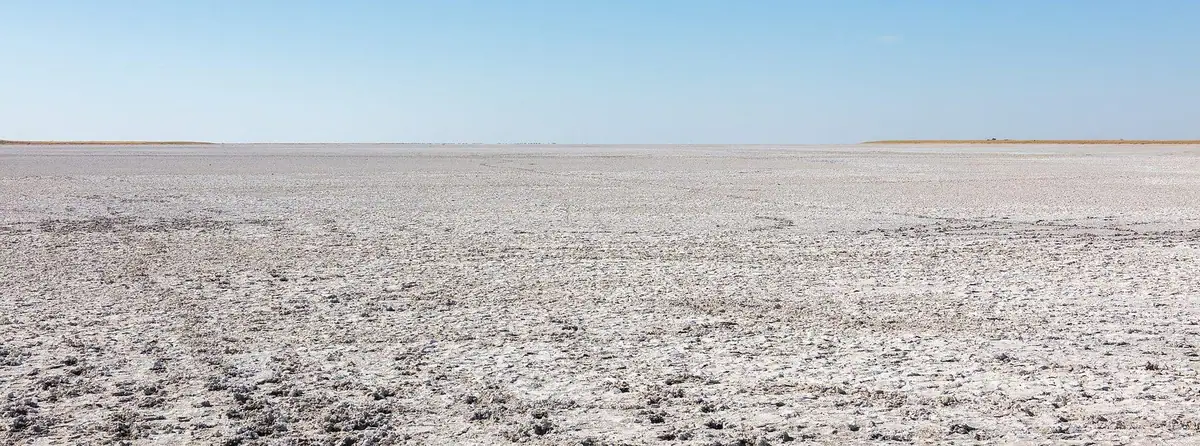
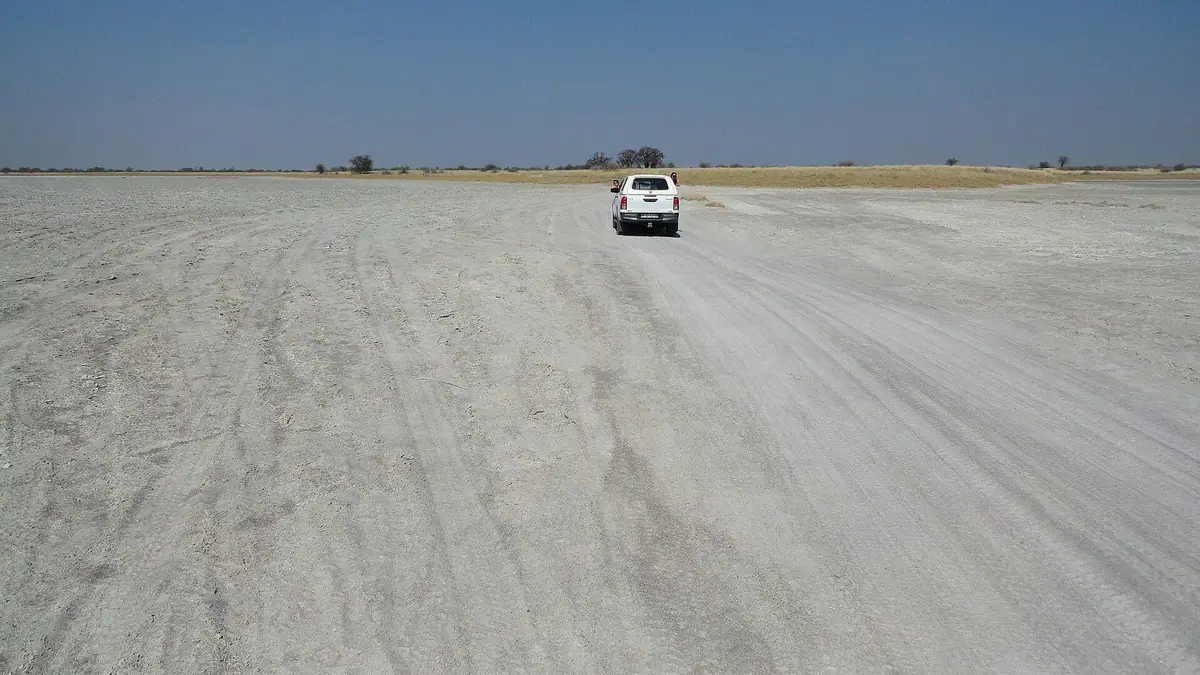
The Central Kalahari Game Reserve is the second-largest protected area on earth. Beside it lie the Makgadikgadi and Nxai pans: the remnants of a superlake that dried out thousands of years ago, leaving salt flats that are blinding and lifeless in the dry, and green grassland full of zebra after the rains.
Hardly anyone comes to Botswana for the Kalahari alone. A good many of the people who tack it on the end say afterwards it was the part they were not ready for.
Six reasons to give it the days.
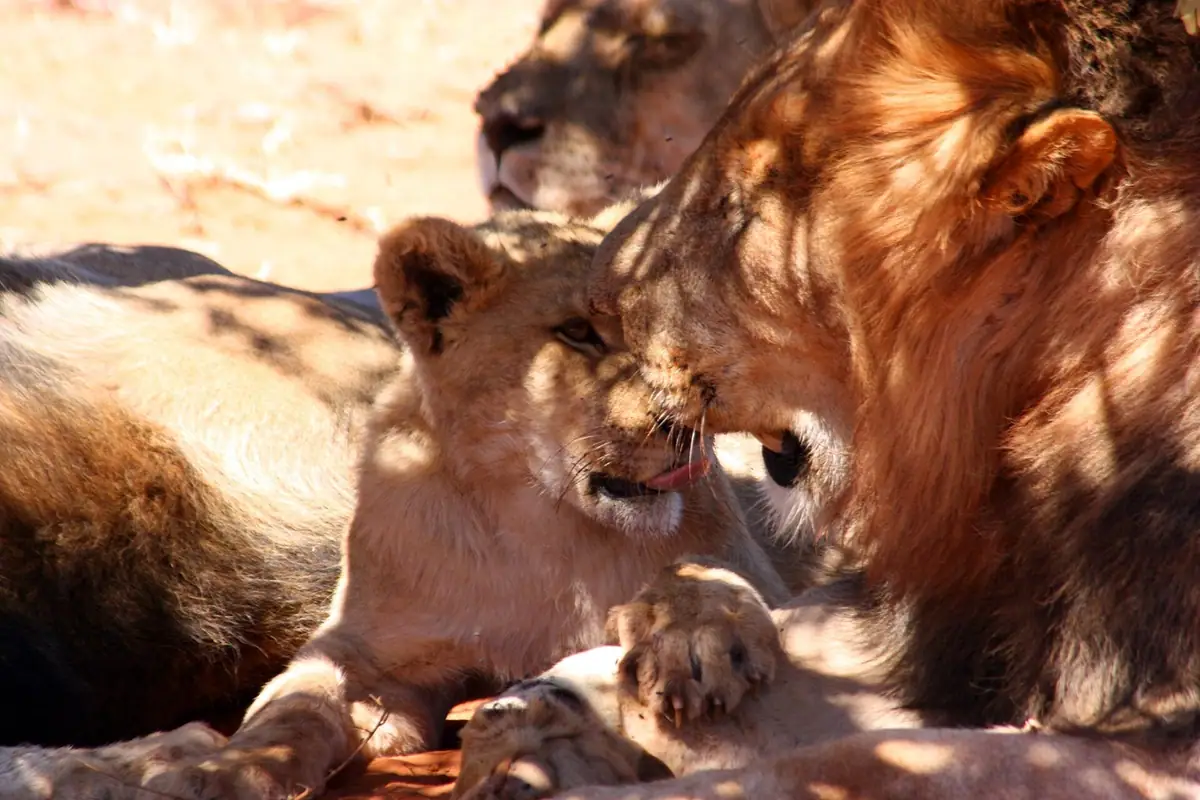
Black-maned lion
The Kalahari population, darker and larger-framed than their northern cousins, and adapted to go months without standing water.
Deception Valley
An ancient fossil river bed that greens after the rains and fills with oryx, springbok and the cats that hunt them. The heart of the Central Kalahari.
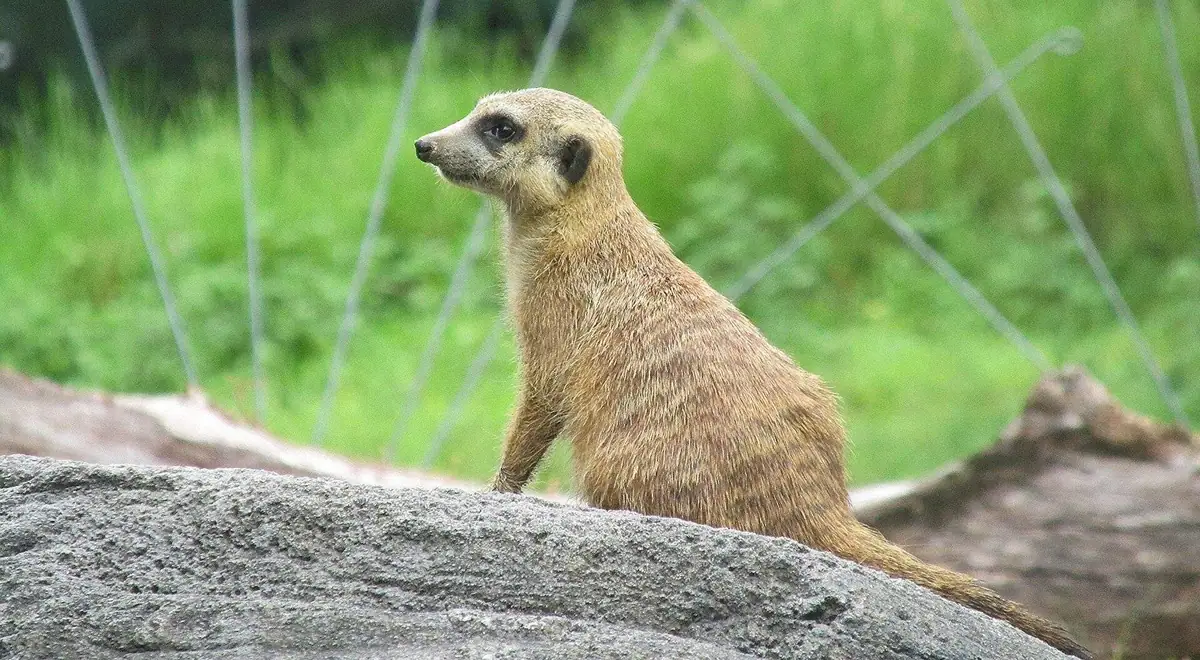
Habituated meerkats
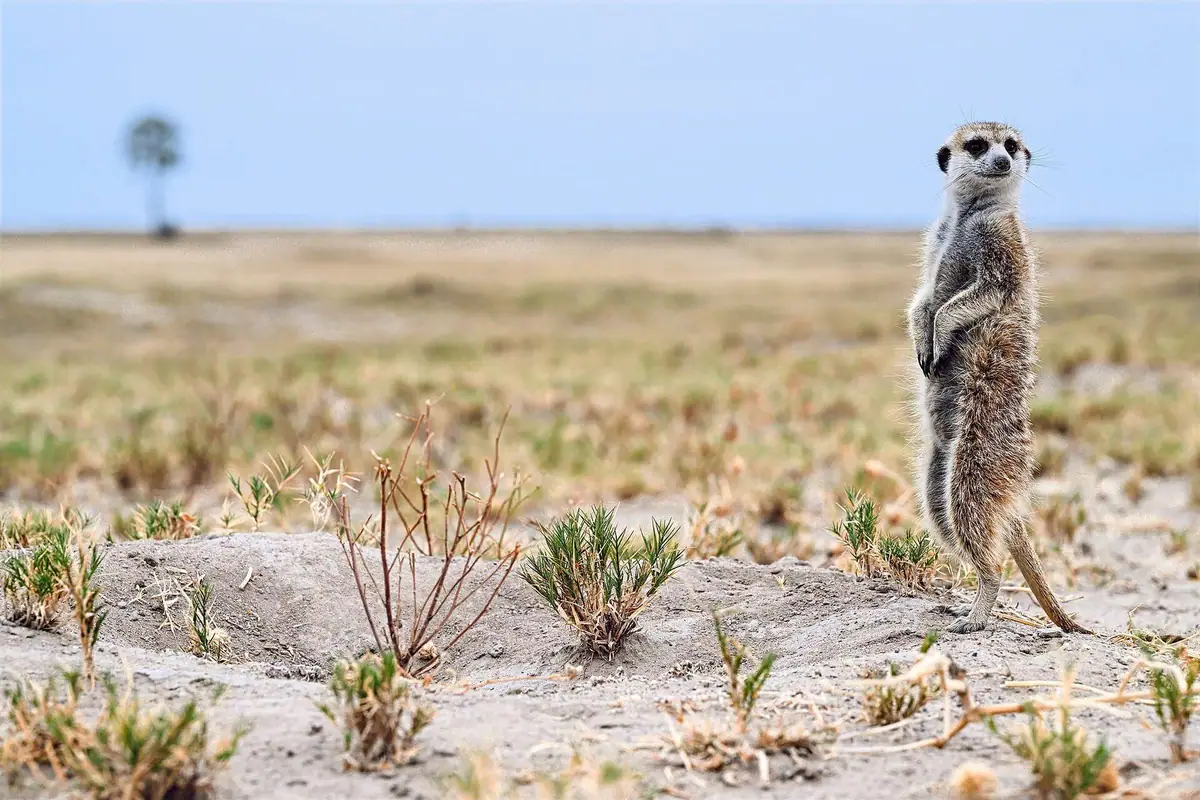
Wild colonies on the edge of the Makgadikgadi, used to people, who will quite often climb a seated guest to get a better view.
The zebra migration
December to March. Africa’s longest terrestrial mammal migration, from the Makgadikgadi grasslands to Nxai Pan, with newborn foals and predators behind.
Baines’ Baobabs
Ancient trees on the edge of Nxai Pan, painted by Thomas Baines in 1862 and barely changed since. Best at sunrise.
San tracking
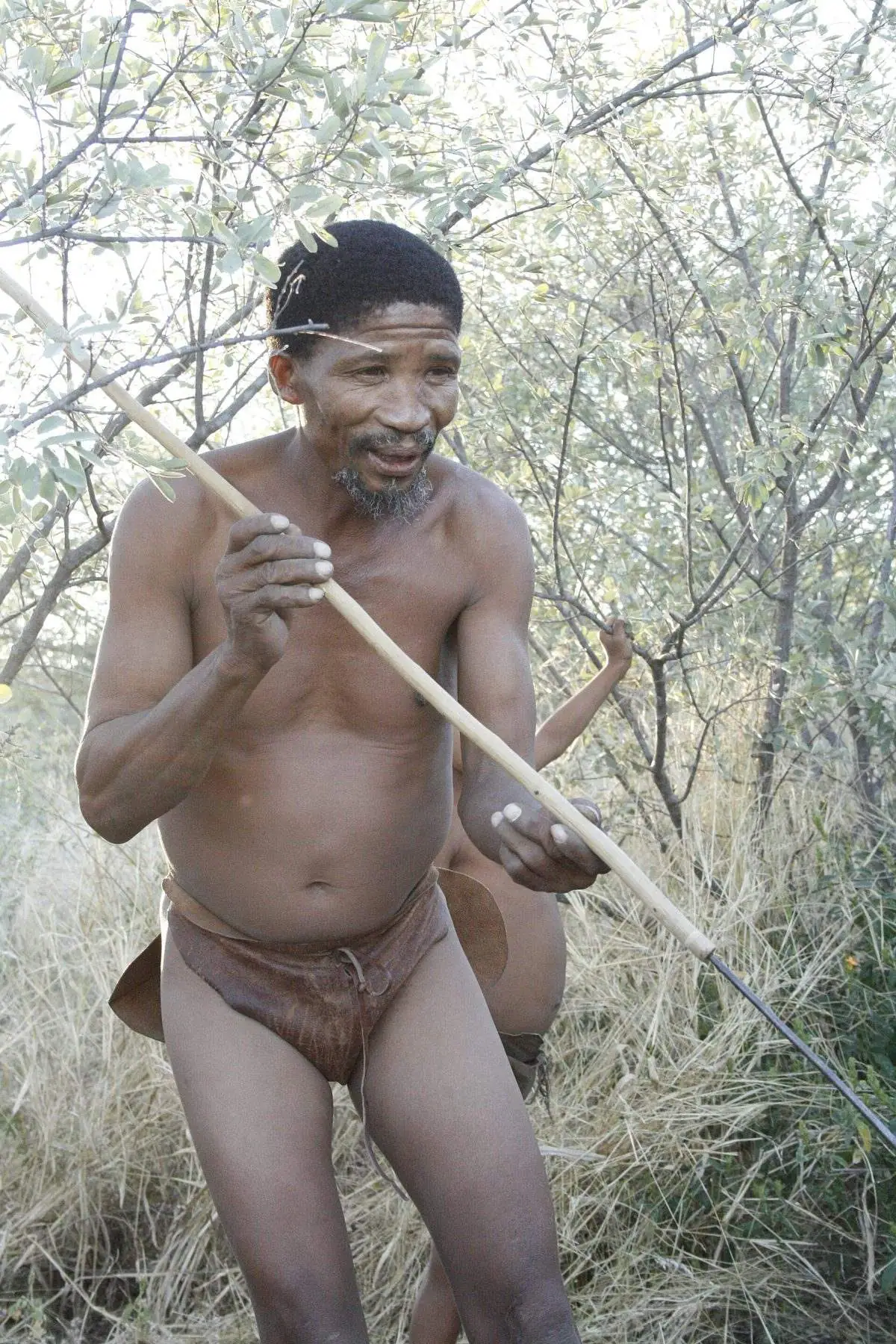
Walking with San trackers who read the sand as text — and time with communities in the Kalahari, arranged on their terms and paid directly.
The Kalahari, park by park.
Each has its own guide, with the best months, how to get there and what guests ask us.
What guests ask us.
When is the Kalahari at its best?
Backwards from most of Botswana. The Central Kalahari is at its finest from December to April, when the summer rains green the fossil valleys and draw oryx, springbok and the predators that follow them. In the dry months it is austere and very empty — beautiful, but a harder sell for game.
What is a black-maned lion?
The Kalahari population, distinguished by unusually dark, full manes and a larger frame. They are adapted to survive without standing water for long periods, taking moisture from prey. They are also considerably harder to find than lion in the Delta — which is part of the appeal.
Which of the Kalahari parks should we choose?
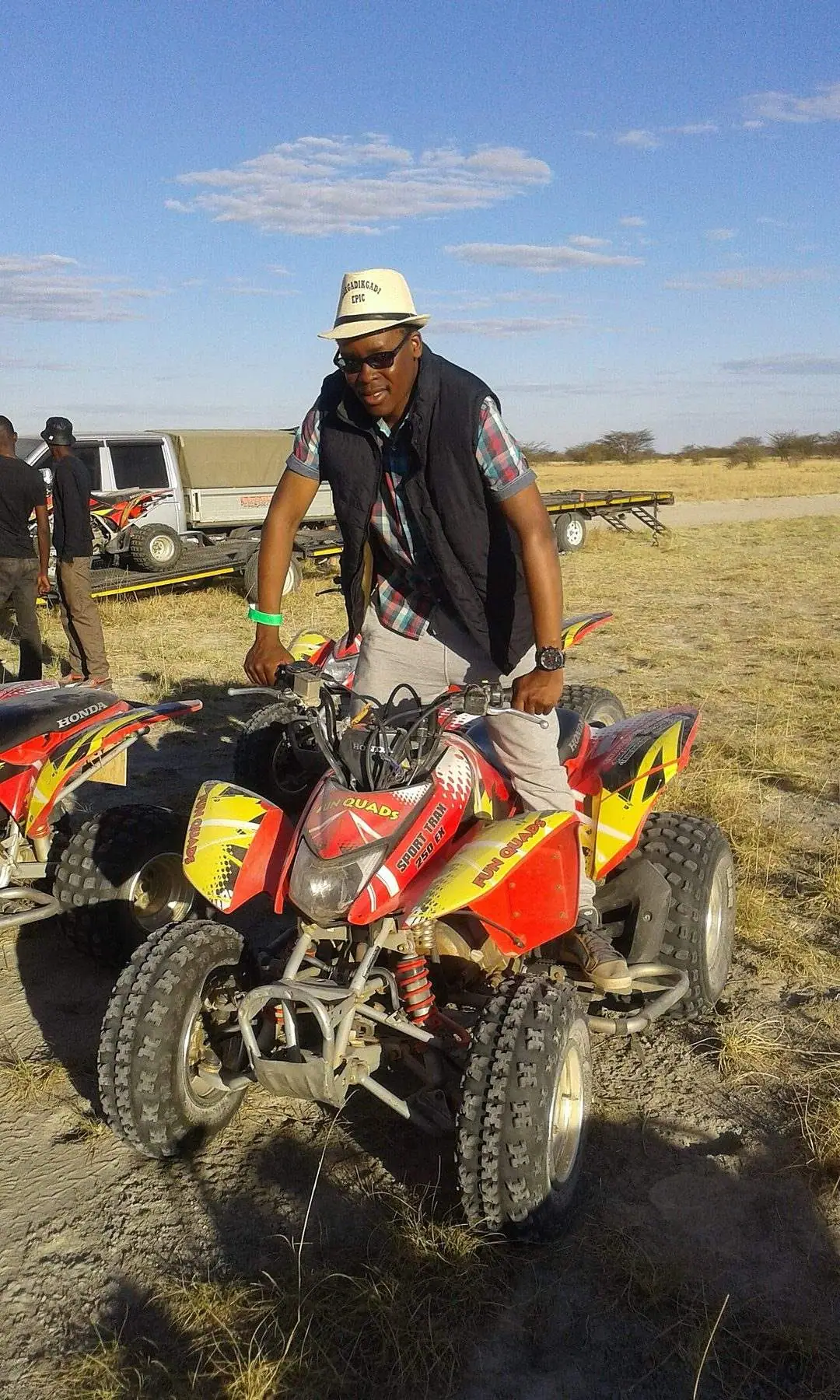
It depends on the month. From December to April, the Central Kalahari and Nxai Pan are at their best for game. From April to November, the Makgadikgadi salt pans come into their own, with quad bikes, sleep-outs and zebra on the Boteti River. The meerkats are there all year.
How many nights do the Kalahari and the pans need?
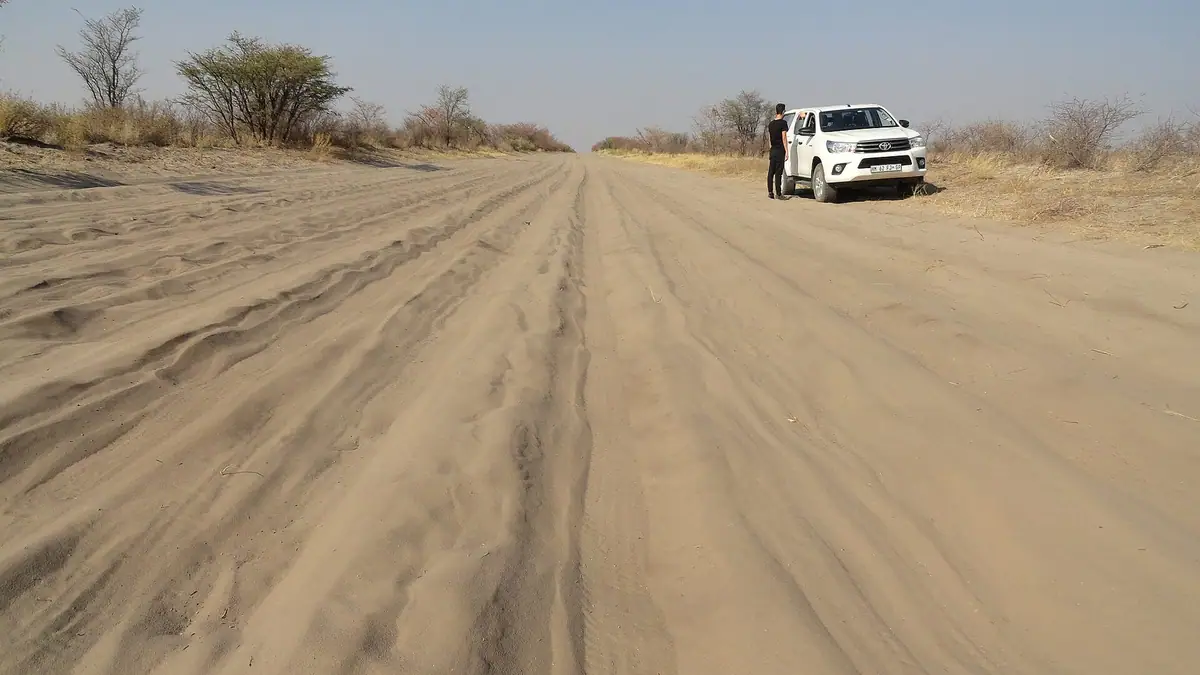
Three to four for one area, five or six to see two properly. Distances are long and the tracks are sand, so trying to cover all three parks in a short trip spends most of it in the vehicle. We usually pick two that suit your dates.
Can we combine the Kalahari with the Okavango Delta?
Yes, and it is the combination we are asked for most. Both start from Maun, and the contrast between water and desert is the point. Delta & Desert is built around it.
Keep reading
- The Central Kalahari Game Reserve — Deception Valley and the green-season herds
- The Makgadikgadi Pans — meerkats, salt flats and the Boteti River
- The Zebra Migration journey — the six-day itinerary built around the herds
- The Okavango Delta — most people pair the desert with the water
- When to go to Botswana — the Kalahari peaks when the Delta does not
Tell us what you want this journey to feel like.
Not just what you want to see. Send a few lines about who is travelling and roughly when, and we will come back to you with something written for you rather than pulled off a shelf.