BotswanaSafariTour

The Delta Collection

Classic comfort, and the best value in the country.

Established lodges and comfortable tented camps in the Okavango’s eastern reaches, Khwai, the Chobe riverfront and the Makgadikgadi — from USD 450 per person per day.
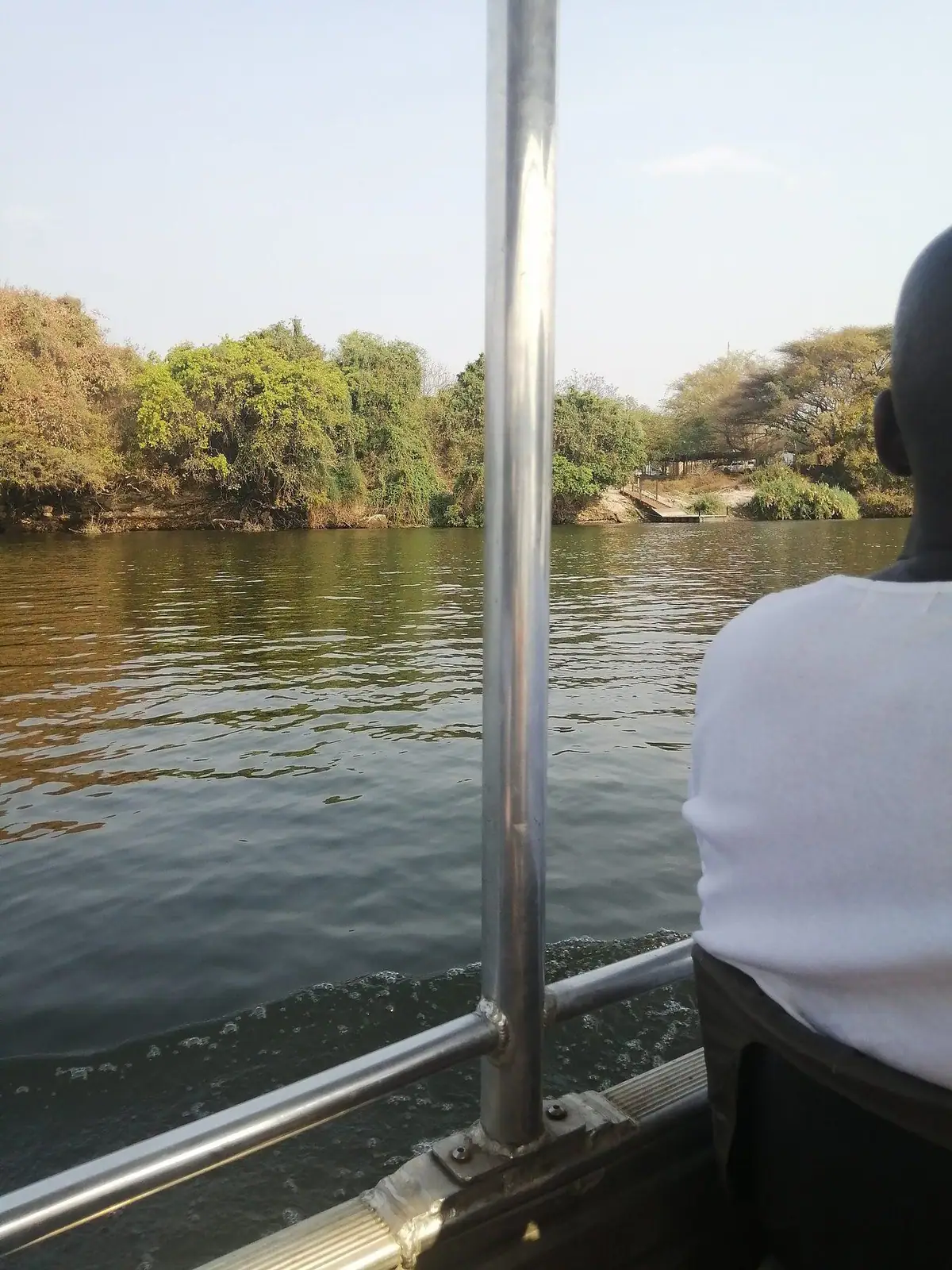
A boat cruise on the Chobe River

Where most people end up, and usually for good reason.


Comfortable en-suite rooms, a pool to sit beside through the heat of the day, twice-daily game activities, and a mix of road and light-aircraft transfers that keeps the cost sensible without turning the holiday into a series of drives.

It covers the country’s headline experiences: the Delta by mokoro, Moremi for predators, Chobe’s elephant, the pans and the migration — without the private-concession premium.

If it is your first time in Botswana and you want a single recommendation without a long conversation first, this is usually the one we give.

Four journeys

The Delta Collection


Every itinerary below is a private departure and can begin any day of the year. The day-by-day flow is how we would run it as written — and every one is a starting point we expect to rewrite around you.
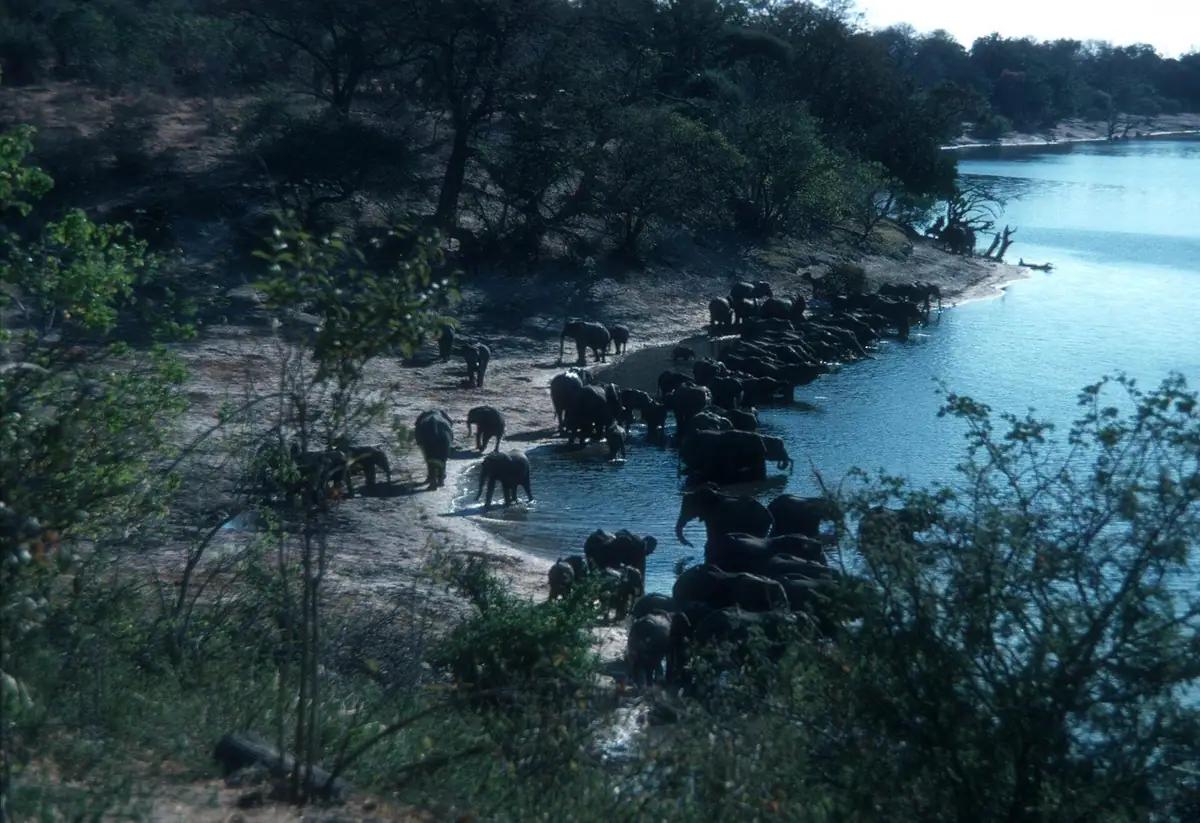
A herd of elephants drinking at the Chobe River

Chobe Introduction

  • 4 days
  • Kasane · Chobe riverfront
  • Delta Collection
  • from USD 450 pp/day

Chobe holds the largest elephant population on earth — at times more than 120,000 animals — and in the dry season they come to the river in numbers that are difficult to describe to anyone who has not stood in front of them.

The riverfront is best seen from the water. A boat puts you at eye level with elephant crossing to the islands, with hippo pods and with buffalo coming down to drink, and the birding along that stretch is some of the best in southern Africa. By five in the afternoon the light comes off the water low and gold, which is the hour most people end up talking about afterwards.

Four days is short, deliberately. It works if your time is limited, if you are already going to Victoria Falls an hour up the road, or if you want to see what the country is like before committing a fortnight to it another year.

How the days run

  1. Day 1Arrive at Kasane. Transfer to your lodge on the riverfront and an afternoon boat cruise as the elephant come down to drink.
  2. Day 2A morning game drive in Chobe National Park, a long break through the midday heat, and a second cruise for the golden hour.
  3. Day 3A full day exploring deeper into the park — the Ihaha floodplains and the sandridge woodland behind them, where the lion prides work.
  4. Day 4A final morning on the water, then the transfer to Kasane airport or the road to Victoria Falls.
  • Best monthsYear-round. June to October concentrates the elephant on the river; the green season brings the birds and dramatic skies
  • Where you sleepA comfortable lodge or tented camp on the Chobe riverfront
  • Who it suitsFirst-time visitors, short-break travellers, and anyone combining Botswana with Victoria Falls

Enquire about Chobe Introduction

A traditional mokoro dugout canoe poled through Okavango Delta channels

Delta & Desert

  • 7 days
  • Okavango · Moremi · Kalahari
  • All collections
  • from USD 450 pp/day

Seven days that take you through three completely different versions of the same country, which is the thing about Botswana that is hard to explain until you have done it.

It starts on water. A mokoro is a shallow dugout poled from the stern, and it moves through the channels at walking pace, low enough that you notice reed frogs and dragonflies before you notice the hippo. Then Moremi, where the floodplains hold lion and leopard and give you about the best chance in Africa of finding wild dog. Then everything changes. The Kalahari has no standing water, the horizon runs unbroken in every direction, and at night the silence is total in a way that takes most people a day to get used to.

We run this route at every tier, from a mobile camp to a private concession. The places are the same. The beds are not.

How the days run

  1. Day 1Arrive in Maun. Light aircraft or road transfer into the Okavango Delta, and an afternoon settling into camp.
  2. Day 2A mokoro morning through the channels with a village poler, and a walk on one of the Delta islands in the afternoon.
  3. Day 3Transfer east into Moremi Game Reserve. Afternoon game drive on the floodplains.
  4. Day 4A full day in Moremi — dawn start for the predators, a long midday break, and out again for the last light.
  5. Day 5South to the Kalahari. The landscape empties out; the drive is part of the experience. Sundowners on an open pan.
  6. Day 6A full Kalahari day — black-maned lion, oryx, and a night sky with no light pollution anywhere near it.
  7. Day 7A last morning, then the transfer back to Maun.
  • Best monthsYear-round. The flood is highest June to September; the Kalahari is at its best December to April when the rains bring the game back
  • Where you sleepThree camps across three ecosystems, at whichever tier you choose
  • Who it suitsFirst-time visitors who want to understand the country rather than just photograph it

Enquire about Delta & Desert

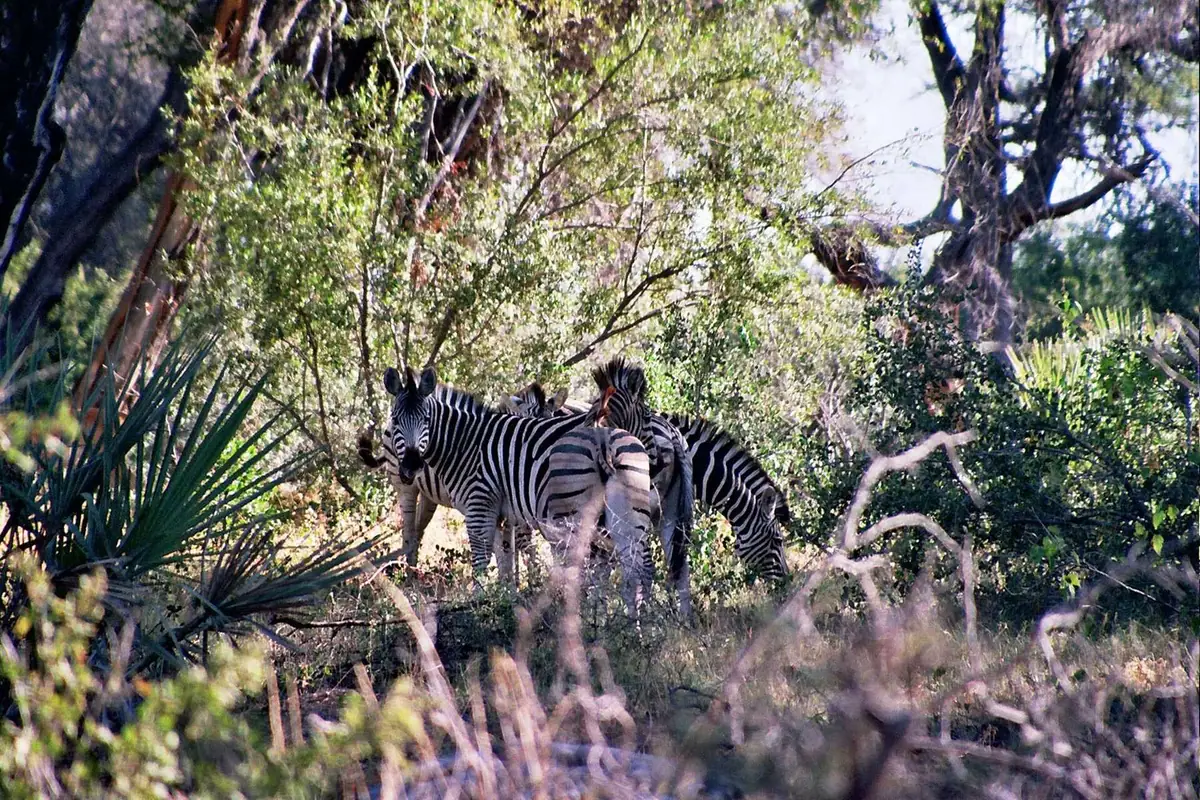
Zebra grazing on an Okavango Delta floodplain

The Zebra Migration

  • 6 days
  • Makgadikgadi · Nxai Pan
  • December–March only
  • from USD 450 pp/day

Almost nobody outside Botswana knows this migration exists. It is the longest terrestrial mammal migration in Africa — longer, end to end, than the Serengeti's — and it runs between the Makgadikgadi grasslands and Nxai Pan when the summer rains arrive.

The rains transform the pans. Ground that is white, cracked and lifeless in October is green grassland by January, and the zebra arrive in tens of thousands to foal on it. Newborns everywhere, lion and cheetah working the edges of the herds, and skies that build into the kind of storm light photographers plan whole trips around.

It falls in the green season, when rates run up to forty per cent below peak. You are trading thicker bush and afternoon rain for newborn animals, better light and a much lower bill.

How the days run

  1. Day 1Arrive in Maun and transfer to the Makgadikgadi. Afternoon on the grasslands as the herds gather.
  2. Days 2–3Two full days with the migration — zebra in numbers, newborn foals, and the cheetah and lion that follow them. Habituated meerkats in the morning.
  3. Day 4North to Nxai Pan, stopping at Baines' Baobabs — seven trees that have stood on the edge of the pan for well over a thousand years.
  4. Day 5A full day at Nxai Pan. The herds concentrate at the waterholes and the predator action is at its best.
  5. Day 6A final morning drive, then the road back to Maun.
  • Best monthsDecember to March only — the migration follows the rain and does not wait
  • Where you sleepComfortable tented camps on the Makgadikgadi and at Nxai Pan
  • Who it suitsPhotographers, birders, value-conscious travellers, and anyone who would rather see something few visitors ever do

Enquire about The Zebra Migration

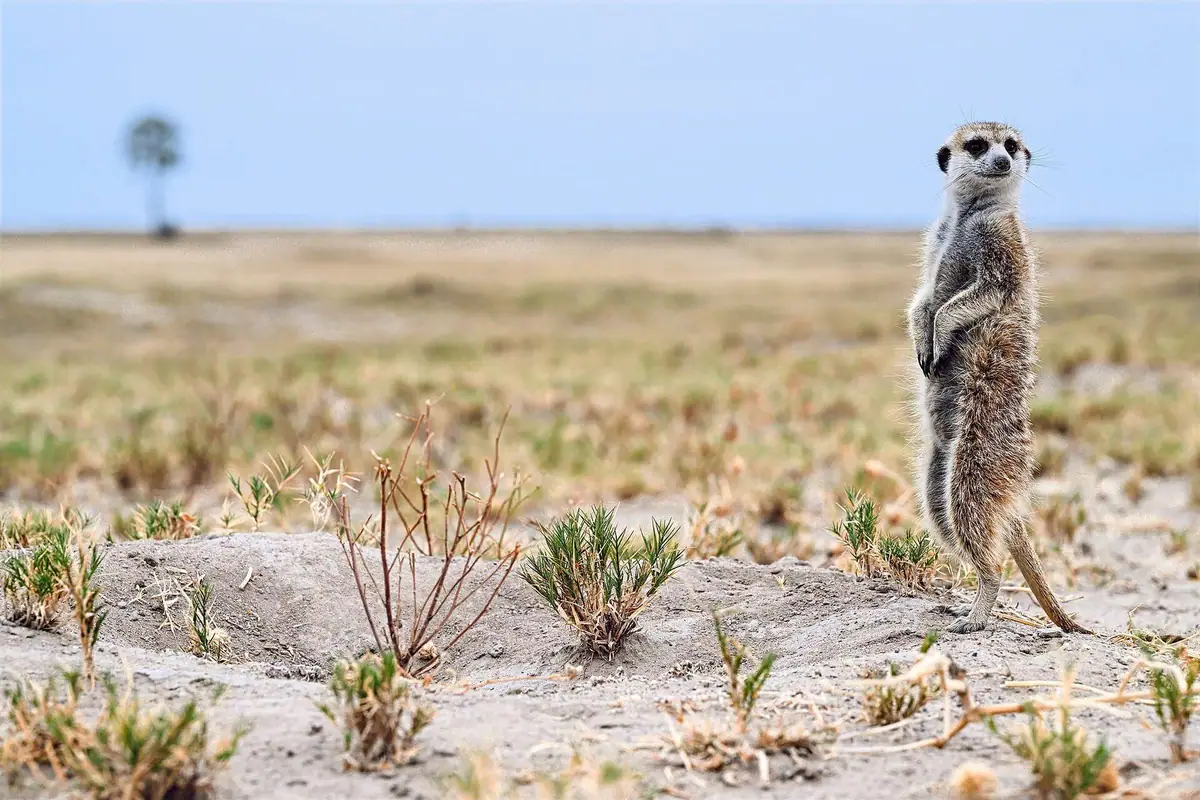
A meerkat standing sentry on the Makgadikgadi pans

Kalahari & Meerkats

  • 5 days
  • Central Kalahari · Makgadikgadi
  • Delta or Signature
  • from USD 450 pp/day

The Central Kalahari is the second-largest protected area in the world and holds the black-maned lion — bigger, darker and rarer-looking than their northern cousins, and adapted to go without standing water for months.

Deception Valley is the heart of it: an ancient fossil river bed that greens after the rains and draws oryx, springbok and the cats that hunt them. In the dry months it is austere and almost empty; after December it is one of the most surprising wildlife areas in Africa.

Then the pans, and the meerkats. The colonies are habituated but completely wild, which means nobody can promise you anything. What often happens, if you sit still on the ground at sunrise, is that one of them works out you are the tallest thing available and climbs you to look for eagles. People tend to remember that morning longer than the lions.

How the days run

  1. Day 1Arrive in Maun and transfer south into the Central Kalahari Game Reserve. Afternoon drive toward Deception Valley.
  2. Day 2A full day in the Kalahari — black-maned lion, cheetah on the pans, oryx and springbok, and a guided walk with San trackers reading the sand.
  3. Day 3East to the Makgadikgadi. Afternoon quad-biking out onto the salt crust, and a night under a sky with no horizon and no light.
  4. Day 4A sunrise morning with the meerkat colony, then Baines' Baobabs or the grasslands depending on the season.
  5. Day 5A last morning, then the road back to Maun.
  • Best monthsDecember to April for Kalahari game after the rains; year-round for the meerkats and the pans
  • Where you sleepA Kalahari camp and a Makgadikgadi camp, at Delta or Signature level
  • Who it suitsSecond-time visitors, families with older children, photographers, and anyone who wants a safari that is not only about the big cats

Enquire about Kalahari & Meerkats

Indicative from-rates are per person per day, excluding international flights, and vary by season. Compare all four collections, or ask a Travel Designer for a quotation against your dates.

Choosing between them

Questions we answer every week.


Which of these four should we choose first?

If you have a week, Delta & Desert — it is our most requested itinerary because it shows you water, floodplain and desert, and it explains what makes Botswana different. If you have four days, Chobe Introduction. If you are travelling between December and March, The Zebra Migration is the best value in the country.

Is this tier a compromise?

No: it is the most-booked tier we sell, and for good reason. The camps are en-suite and comfortable, with pools, twice-daily activities and good guiding. What you do not get is a private concession, so you share the park with other operators’ vehicles and night drives and walking are restricted where national park rules apply.

Mokoro or motorboat?

Both, ideally, and they do different things. A mokoro is silent and slow, poled through shallow channels at reed height: it is about frogs, dragonflies, birds and quiet. A motorboat covers water, reaches lagoons and puts you alongside hippo and elephant. On Delta & Desert you do both.

Will we see the Big Five?

Four of them, realistically. Botswana has lion, leopard, elephant and buffalo in abundance. Rhino are present but scarce and heavily protected, and we will not promise them. What Botswana gives you instead is the best wild dog viewing in Africa, and elephant in numbers no other country can match.

Are these itineraries suitable for children?

Yes, and this is the tier most families choose. Camps at this level generally welcome children, have pools, and can arrange family rooms and exclusive-use vehicles so nobody worries about disturbing other guests. Tell us ages and we will check every camp on your shortlist rather than assume.
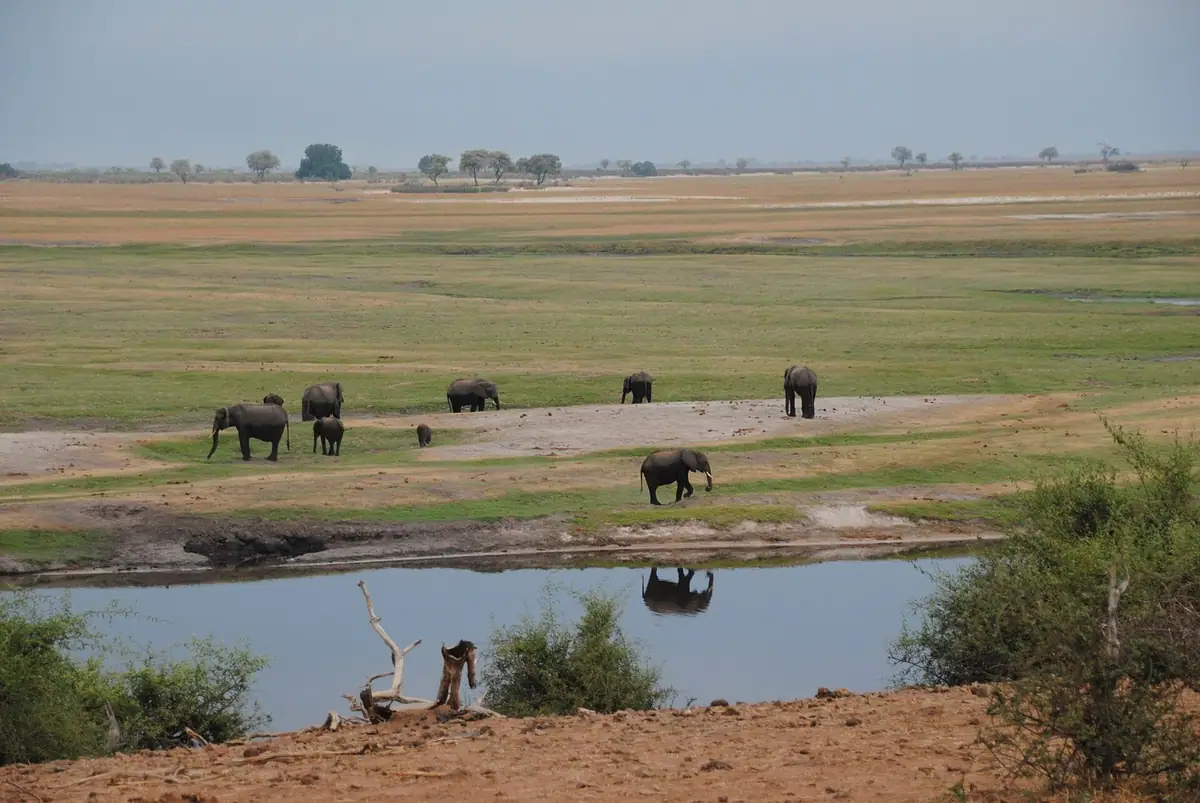
Elephants on the Chobe riverfront at golden hour
Chobe holds more elephant than anywhere else on earth. In October, when the last inland water has gone, most of them are somewhere along seventy kilometres of this river.
The Chobe riverfront, dry season

Tell us what you want this journey to feel like.

Not just what you want to see. Send a few lines about who is travelling and roughly when, and we will come back to you with something written for you rather than pulled off a shelf.