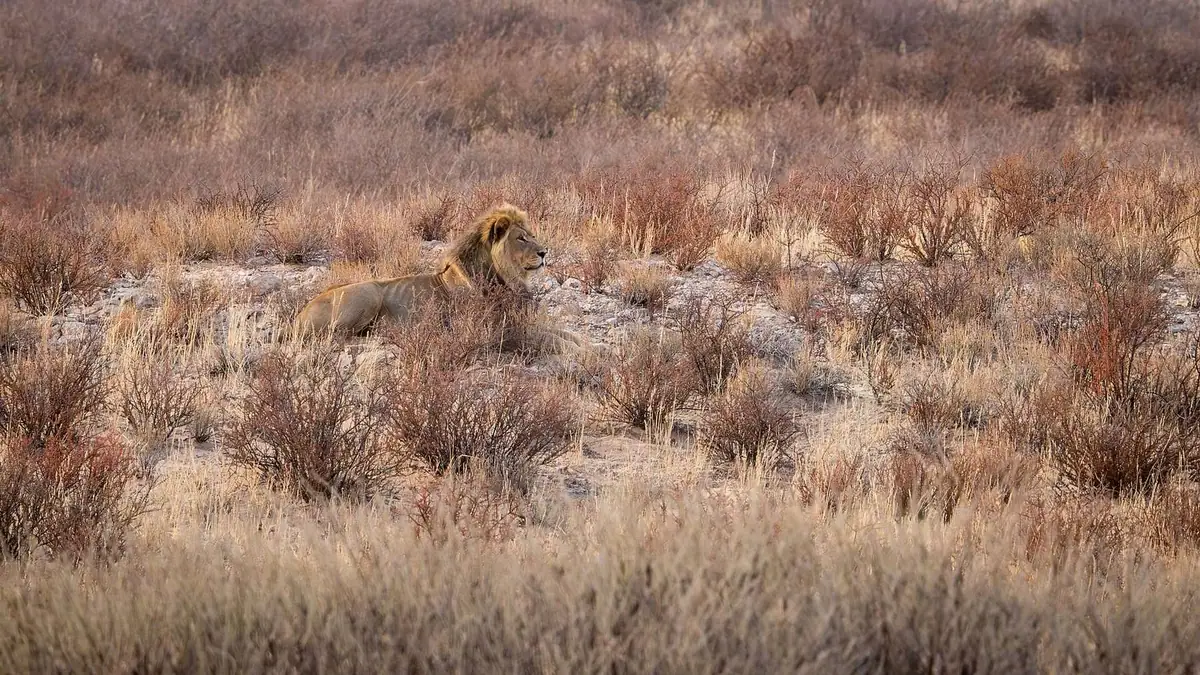
The Central Kalahari Game Reserve: a desert larger than Denmark.
52,800 square kilometres of grass, scrub and fossil river valleys, with no permanent surface water. After the rains it fills with antelope, and with the lions that follow them.
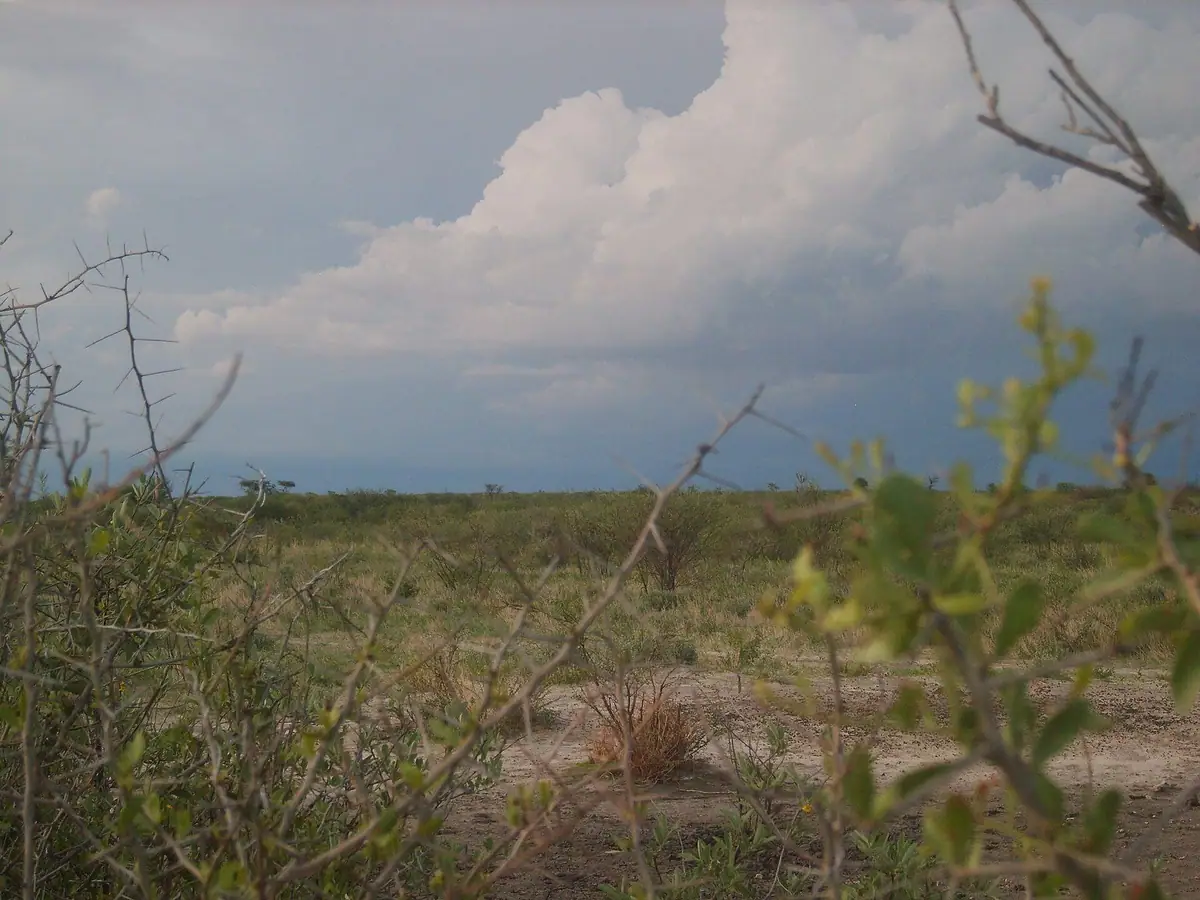
Valleys left behind by rivers that stopped flowing long ago.
The Central Kalahari Game Reserve was proclaimed in 1961, and it is one of the largest game reserves on earth. It was set aside partly as a homeland where the San could continue to live by hunting and gathering. Most were moved out in the late 1990s and early 2000s; in 2006 Botswana’s High Court ruled the removals unlawful, and some families have since returned.
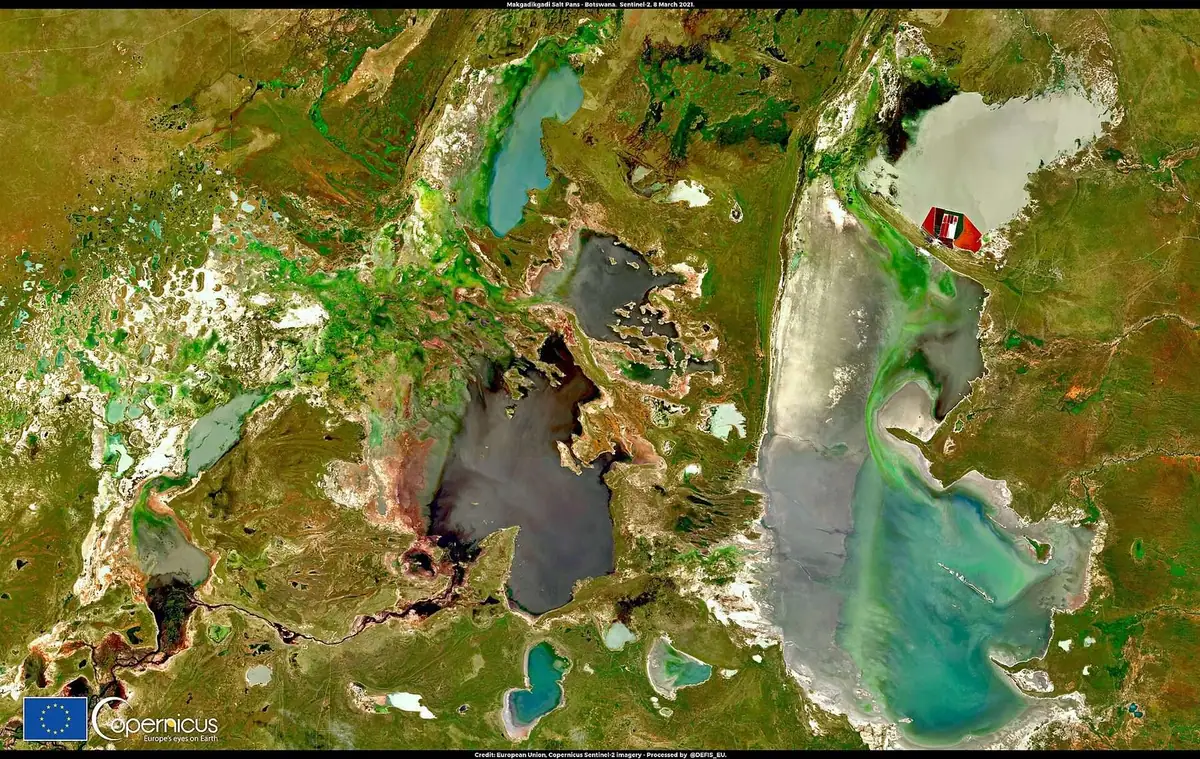
The landscape is flatter and greener than most people picture a desert. Its northern half is crossed by the beds of ancient rivers, now shallow grassy valleys that hold moisture after rain. The best known is Deception Valley, where the researchers Mark and Delia Owens lived in the 1970s and wrote Cry of the Kalahari. Pans such as Sunday, Piper and Letiahau dot the valleys, some with small pumped waterholes.
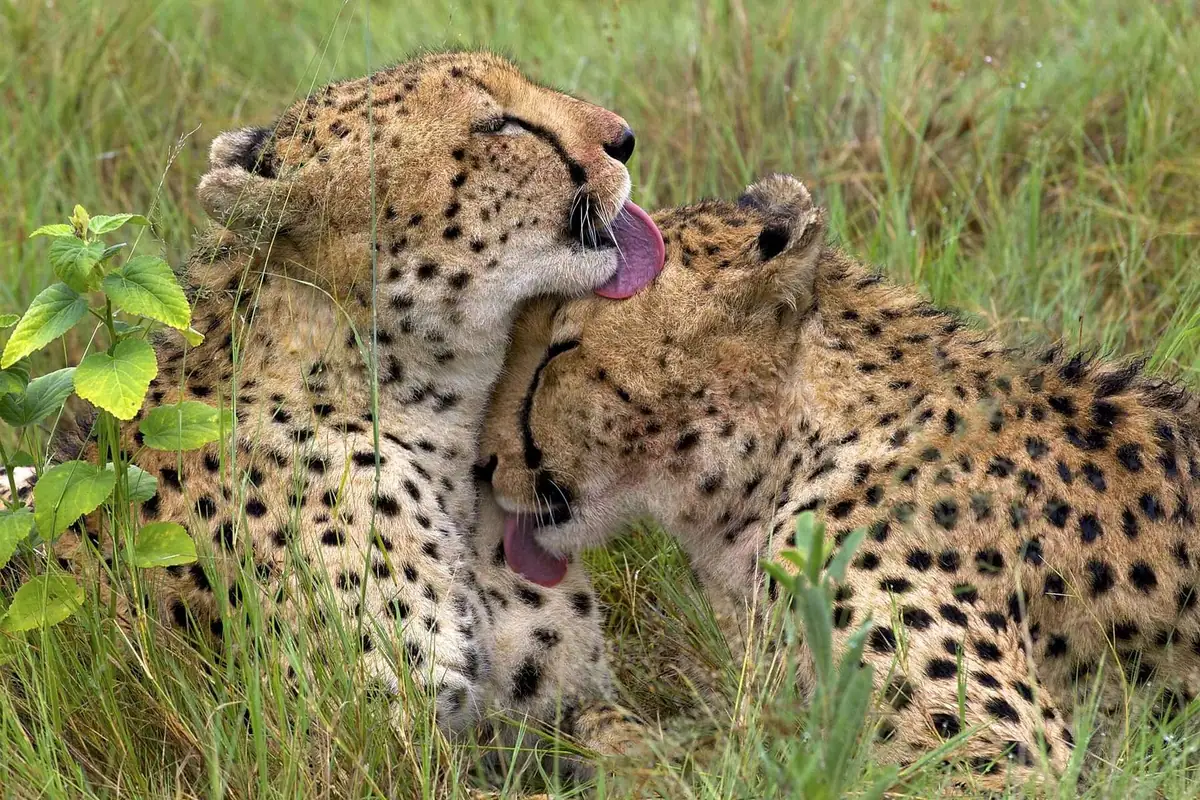
When the summer rains arrive, usually from December, the valleys turn green and fill with oryx, springbok, red hartebeest, wildebeest and giraffe. Lion, cheetah and brown hyena follow them. In the dry months the reserve is austere, very quiet and much harder going for game, which is why we plan most visits for the green season.
Central Kalahari Game Reserve: the essentials.
- WhereCentral Botswana; the northern gate is four to five hours by road from Maun
- Size52,800 km², one of the largest game reserves on earth
- Best monthsDecember to April, after the rains
- Getting thereBy 4×4 from Maun via Rakops, or by light aircraft to a camp airstrip
- How you see itGame drives on sand tracks; walks with San guides at some camps
- Who it suitsSecond-time visitors, photographers, and anyone after space and silence
What the Central Kalahari gives the patient.
Deception Valley
The most famous of the fossil valleys, with long views and green-season herds of springbok and oryx. The heart of most visits.
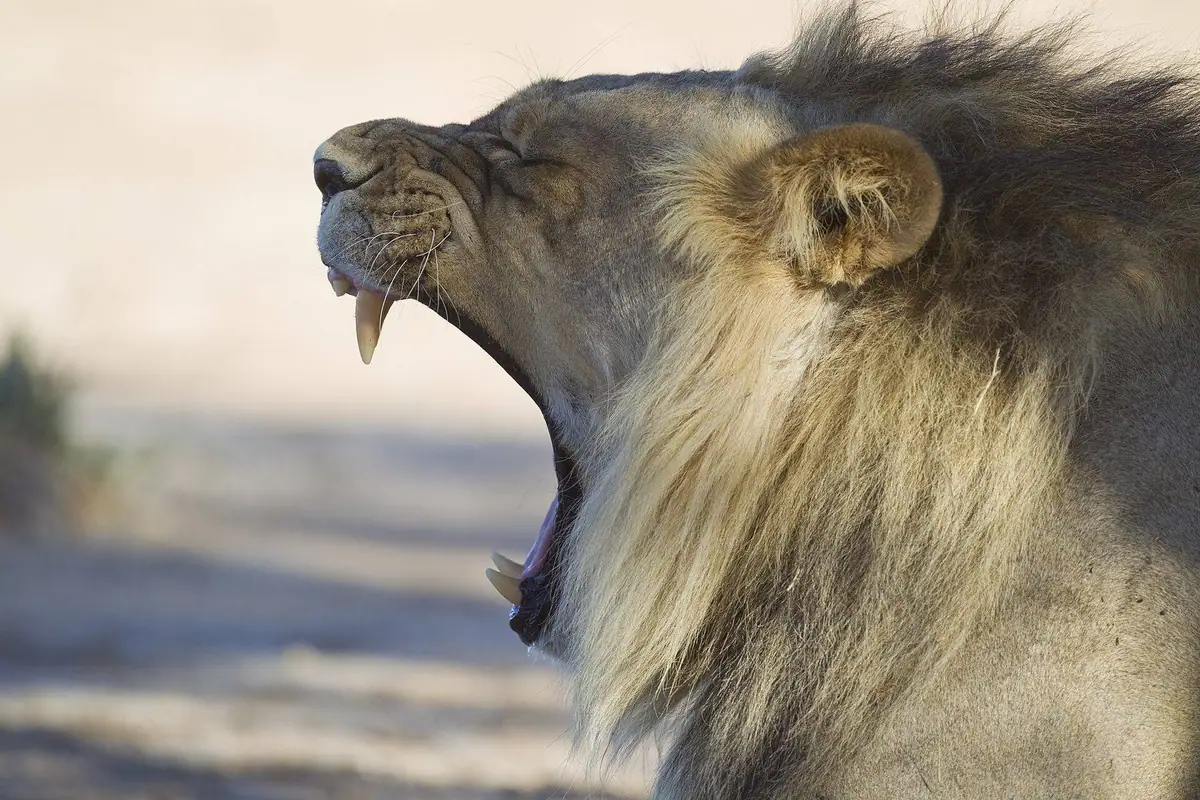
Black-maned lion
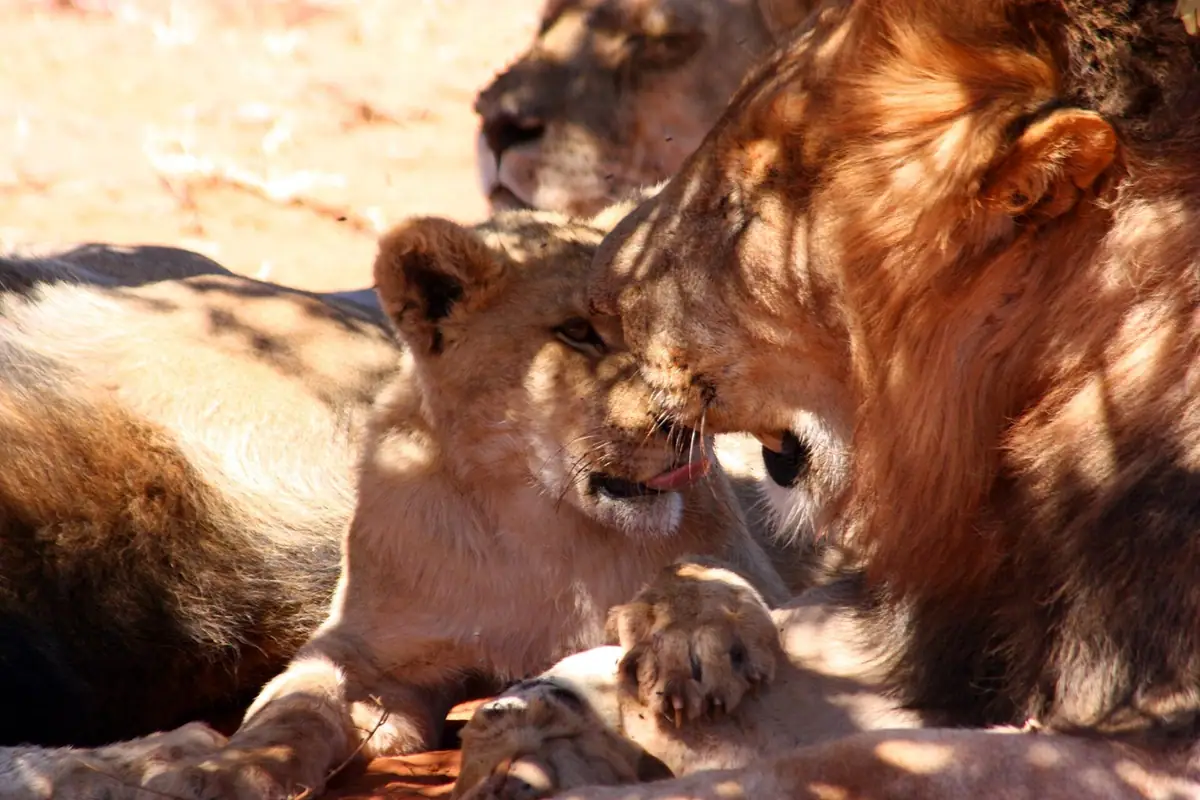
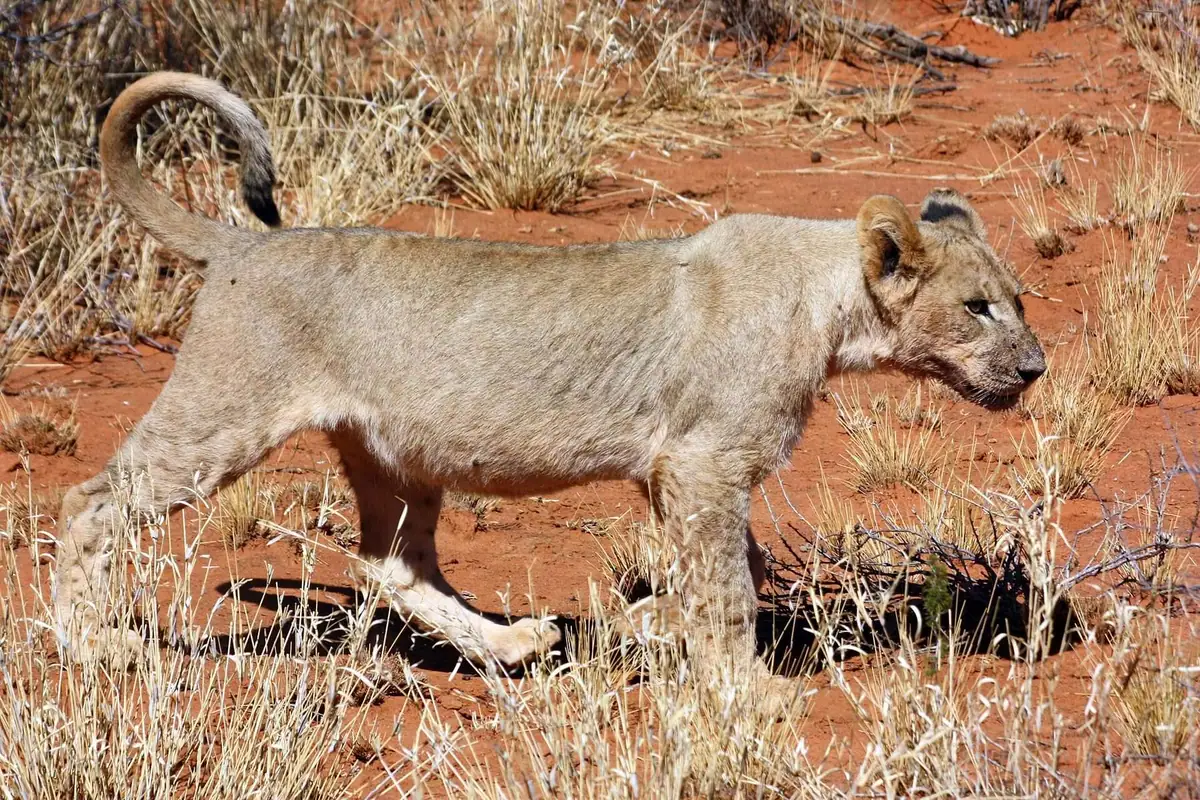
The Kalahari population, with dark, full manes and a larger frame, adapted to go long periods without drinking. Harder to find than lion in the Delta.
The green-season herds
After the rains, the valleys and pans draw antelope from across the reserve, and the calving season brings the predators in close.
Brown hyena and the small predators
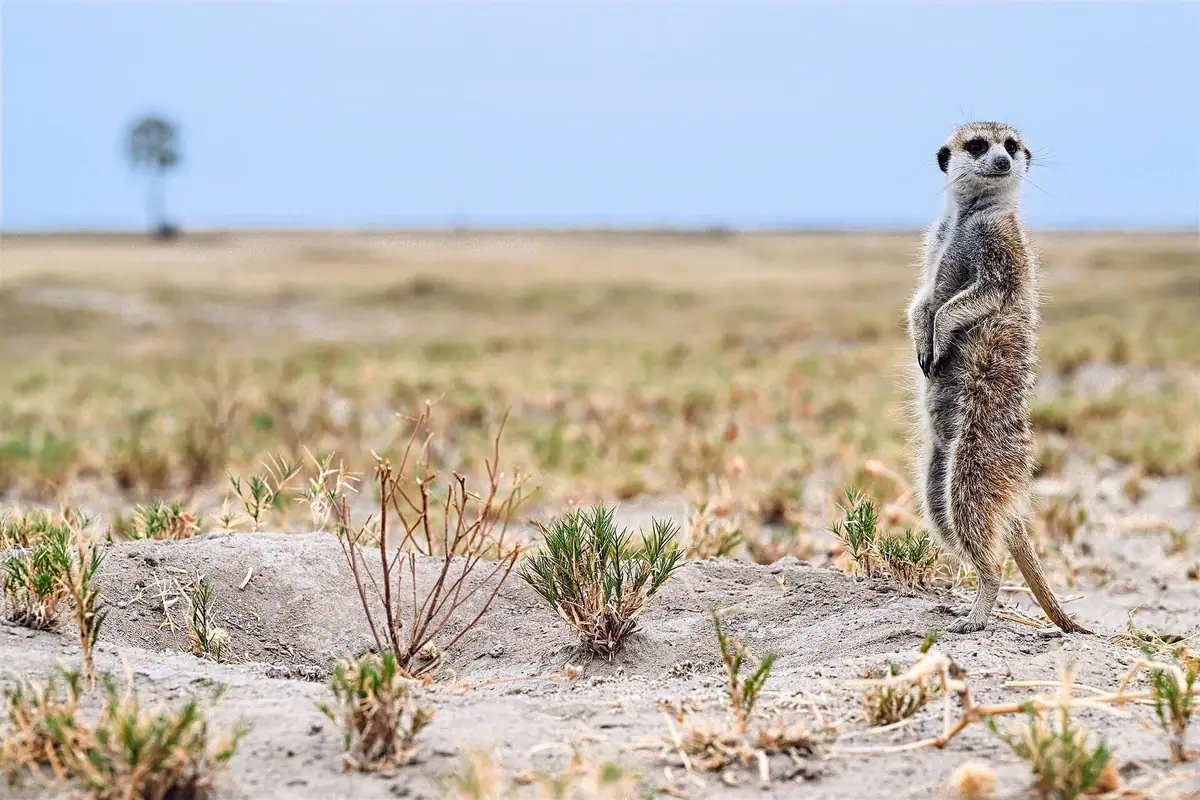
Brown hyena, bat-eared fox, honey badger and caracal are seen here more often than almost anywhere in the country.
The sky
No towns, no lights and very dry air. The night sky over the Central Kalahari is one of the clearest you are ever likely to see.
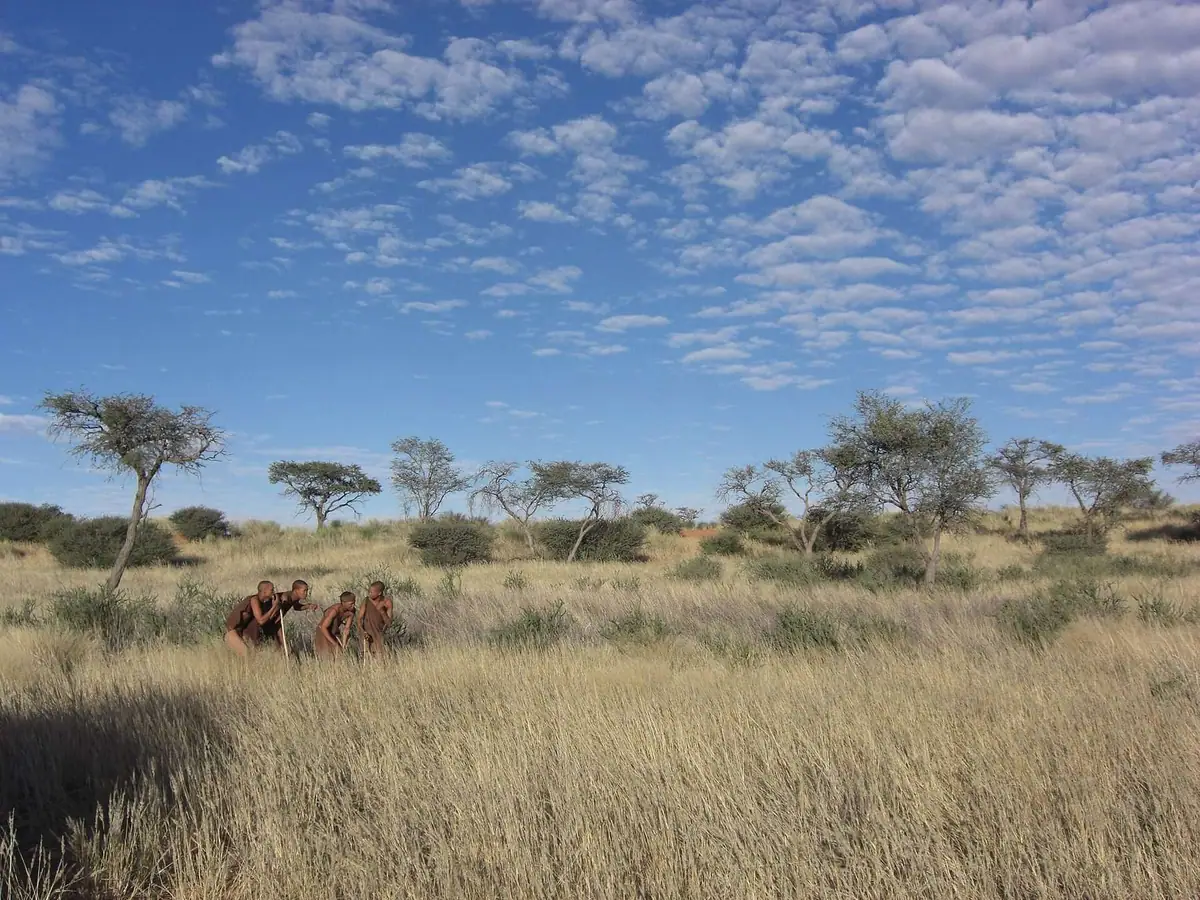
San heritage
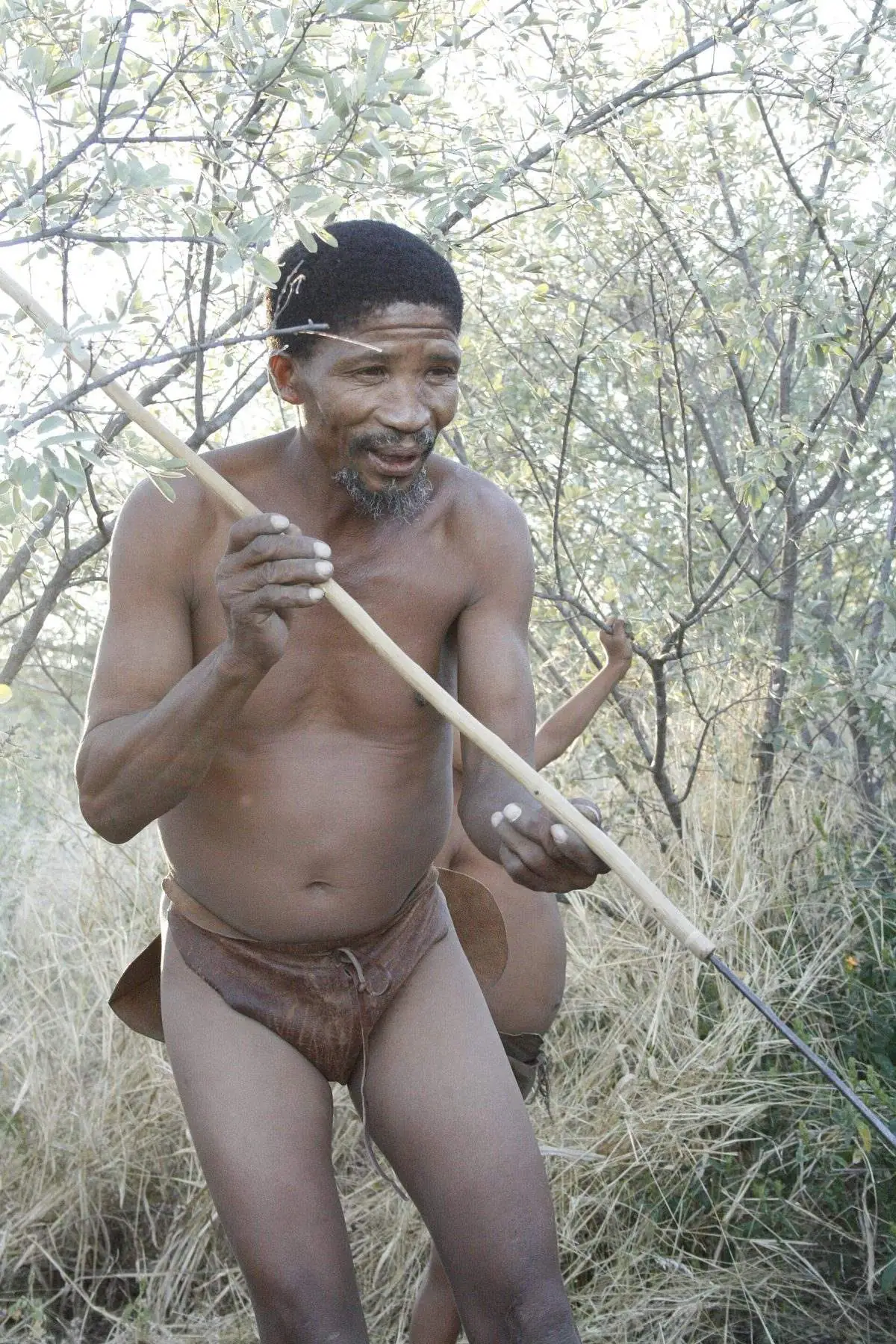
Walks with San guides at some camps, reading tracks and plants in a landscape their families have known for a very long time. Arranged on their terms.
What guests ask us about Central Kalahari.
Is there water for the animals in the dry season?
Very little. The reserve has no permanent surface water. Animals take moisture from their food, including wild melons and roots, and a few pumped waterholes near the main pans help in the driest months. That is why game spreads out and becomes harder to find between May and November.
How remote is the Central Kalahari?
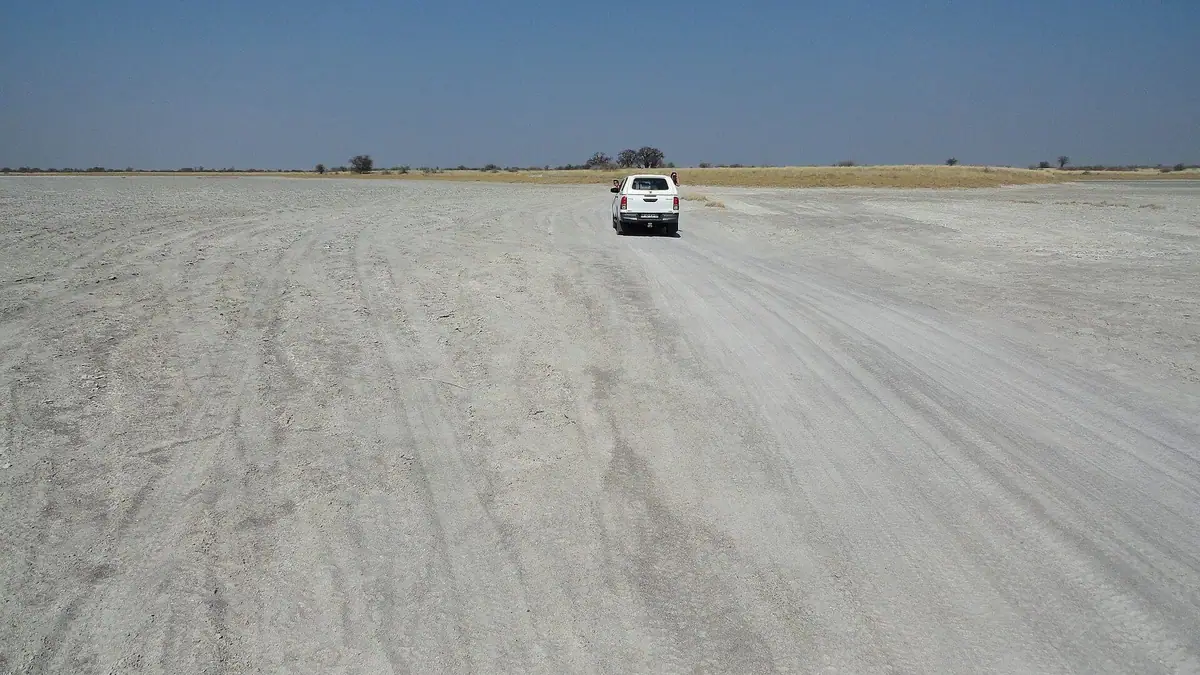
Very. There is no fuel, shop or water inside the reserve, the tracks are sand and distances are long. Camps are few and far apart. We travel there with experienced guides and fully equipped vehicles, or fly guests in.
Can we meet San communities on a Kalahari safari?
Yes, carefully. Some camps employ San guides and trackers, and visits to communities outside the reserve can be arranged directly with them, paid properly and on their terms. We avoid anything staged.
What is the difference between the Central Kalahari and the Kgalagadi?
The Kgalagadi Transfrontier Park lies in the far south-west, shared with South Africa, and is known for its red dunes and dry riverbeds. The Central Kalahari is in the middle of Botswana, flatter and grassier, with the fossil valleys. We plan journeys into the Central Kalahari, which fits far more naturally with the Delta and the pans.
How to fit Central Kalahari into a journey.
It is part of this signature journey, and we build it into tailor-made routes all the time.
Keep reading
- The Kalahari and the salt pans — the desert as a whole, and how to combine its parks
- Kalahari & Meerkats — the five-day journey through Deception Valley and the pans
- When to go to Botswana — why the Kalahari peaks when the Delta does not
Thinking about Central Kalahari?
Tell us when you can travel and what you most want to see, and we will tell you honestly how many nights it deserves and what to pair it with.