Botswana safari destinations: 582,000 square kilometres, all of it ours.
Botswana is not one destination but a dozen distinct ones, and choosing between them is the first real decision of your journey. Here is how we think about them.
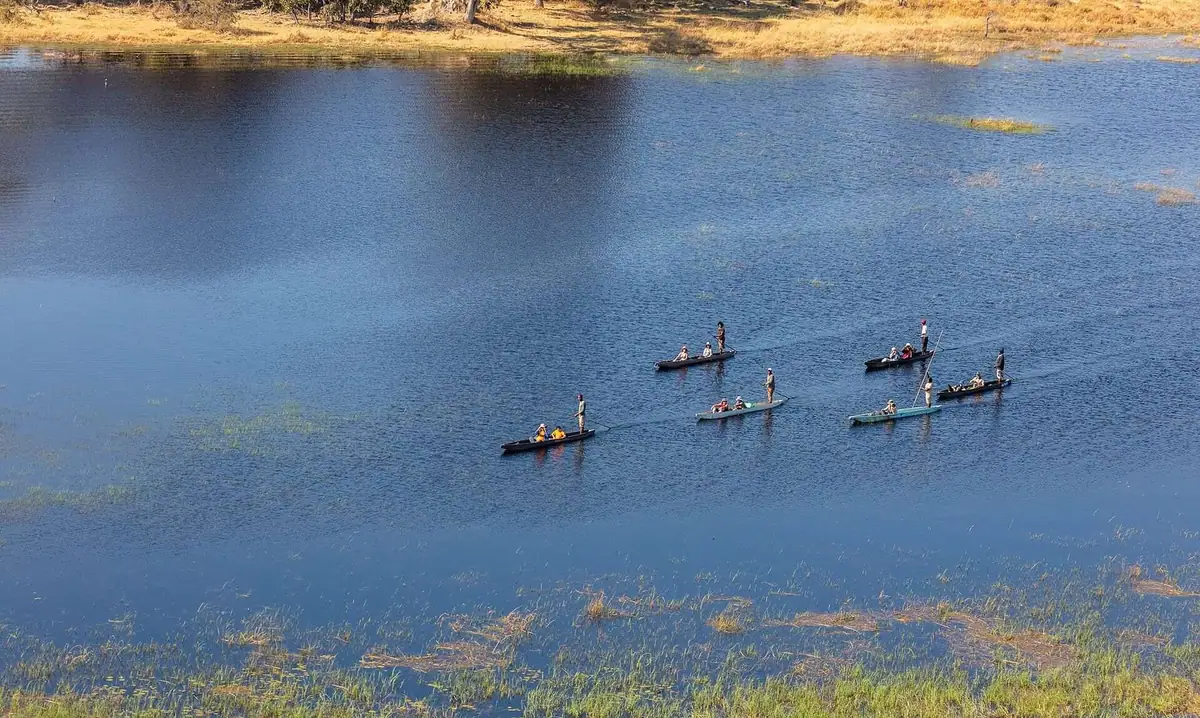
The Okavango Delta
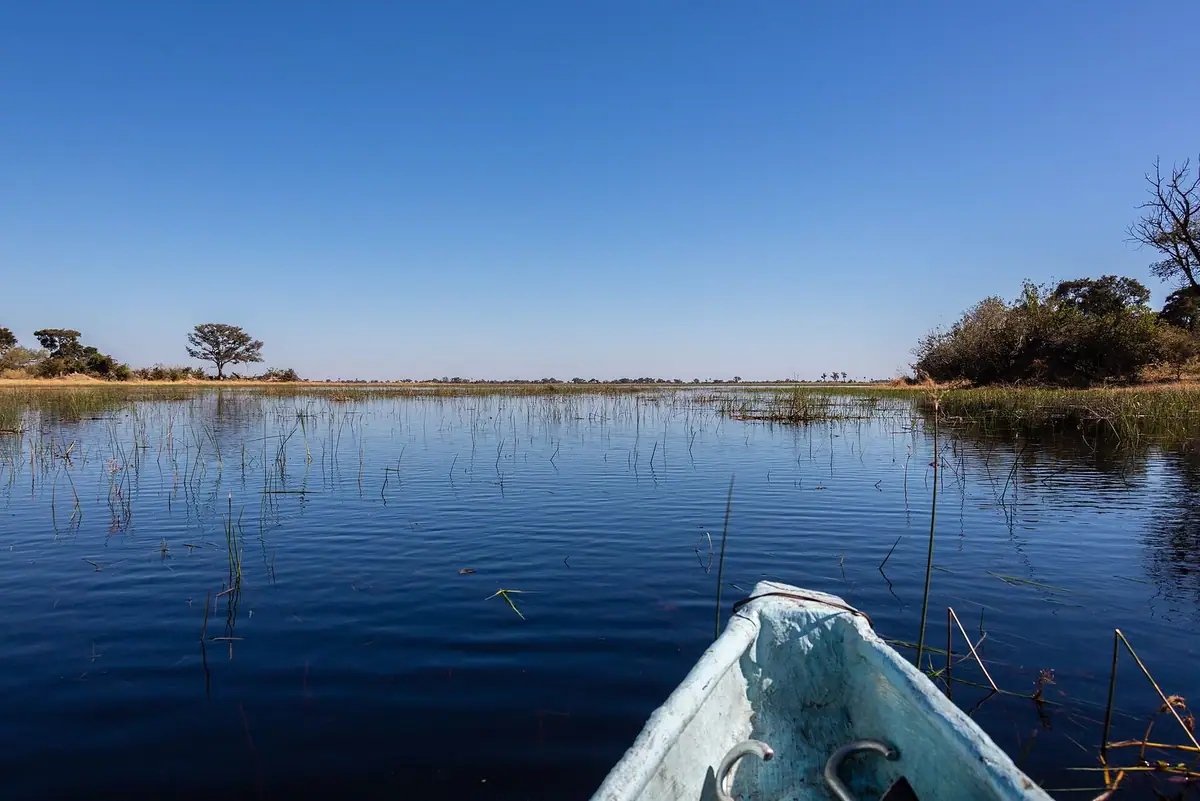
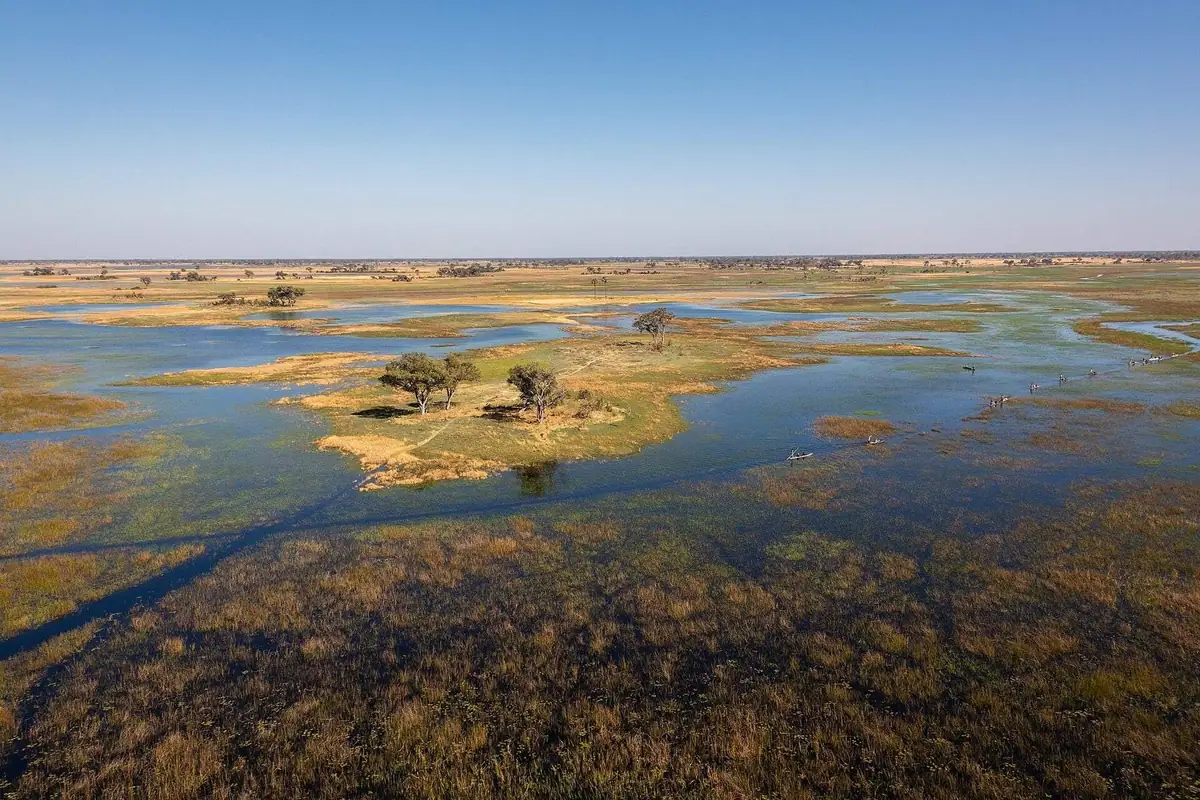
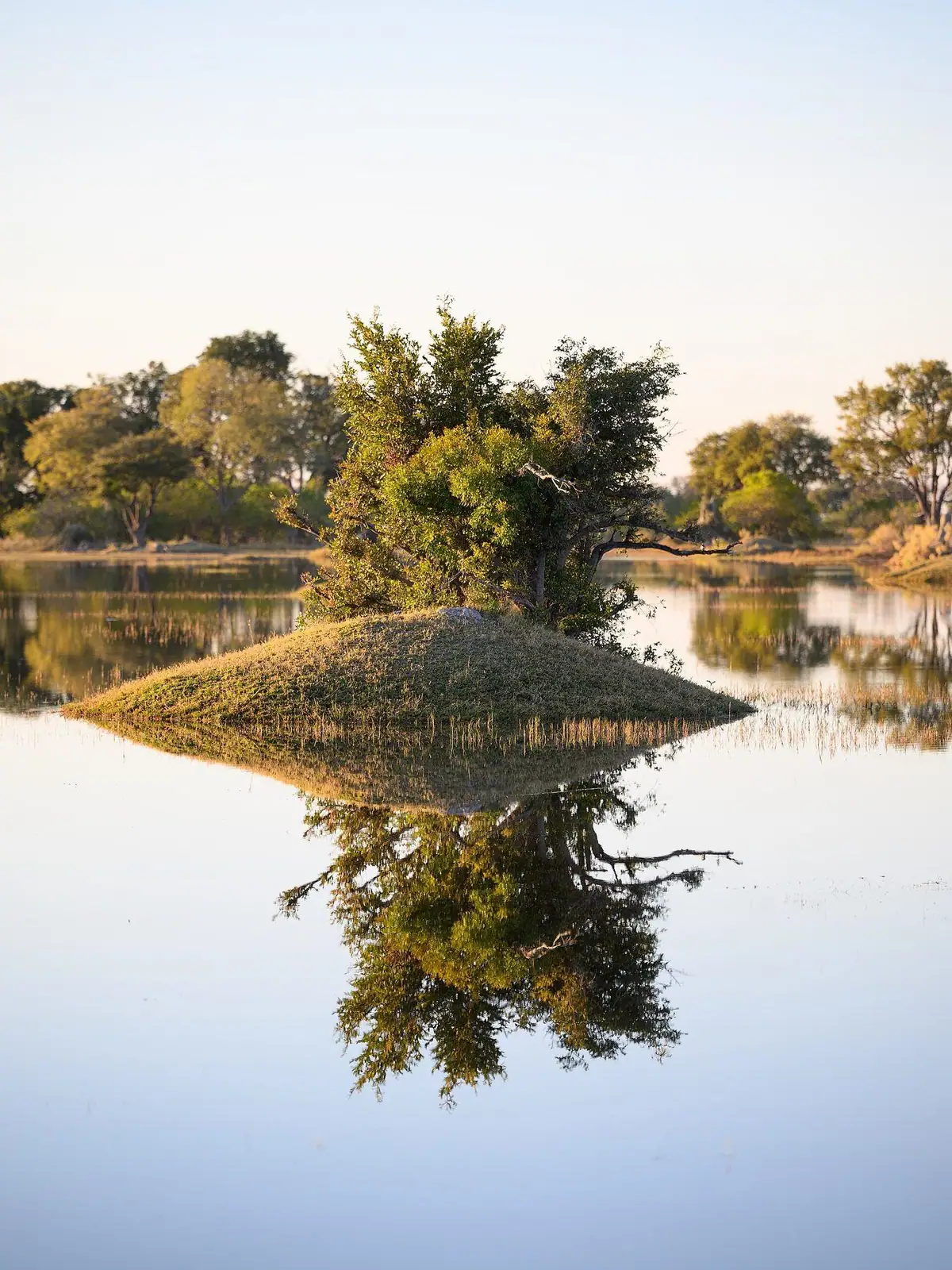
The largest inland delta on earth and a UNESCO World Heritage Site. Every year the Okavango River floods out of the Angolan highlands and dies in the Kalahari sand rather than reaching the sea — and in doing so creates 15,000 square kilometres of channels, lagoons and palm islands in the middle of a desert.
It is the only place in Africa where a safari is conducted by dugout canoe, and it holds the highest concentration of top-tier camps on the continent.
- Best monthsThe flood peaks June to September — counter-intuitively, months after the rains
- How you see itMokoro, motorboat, game drive and walking, depending on water levels
- Who it suitsEveryone. This is the reason people come to Botswana
Chobe National Park
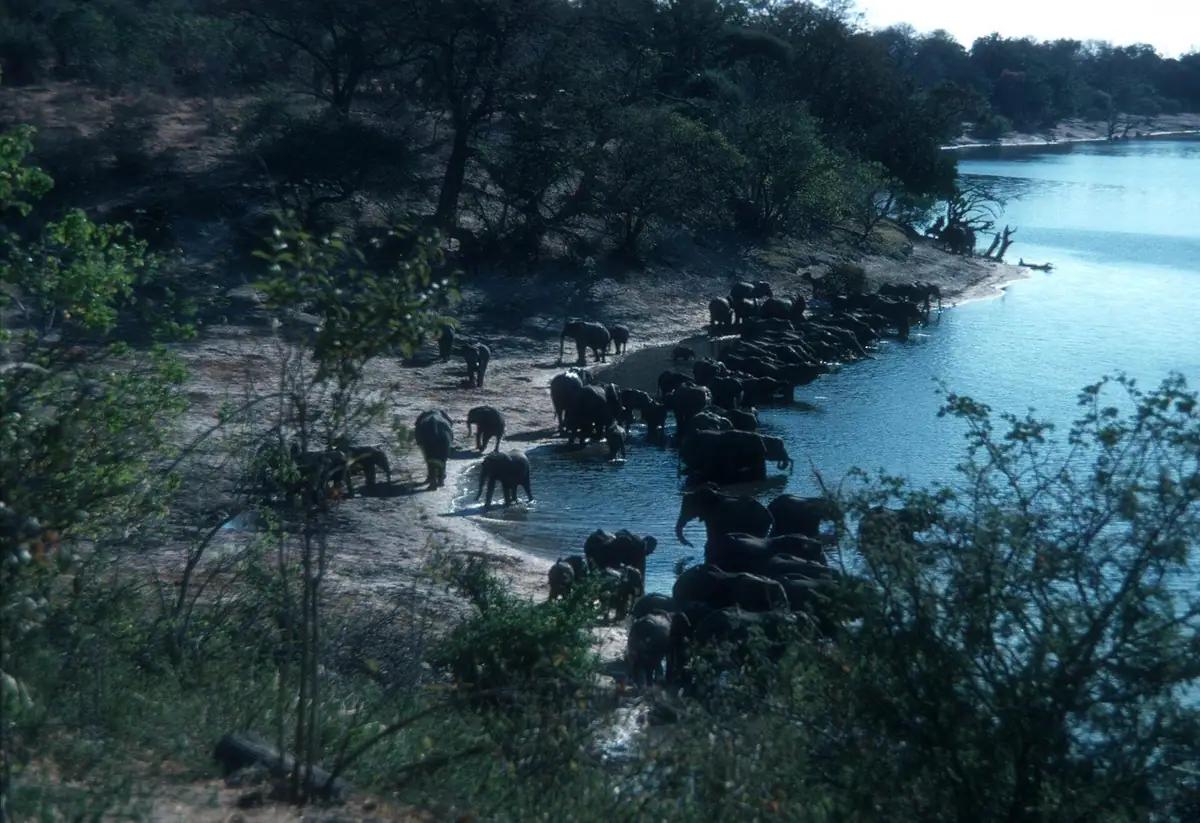
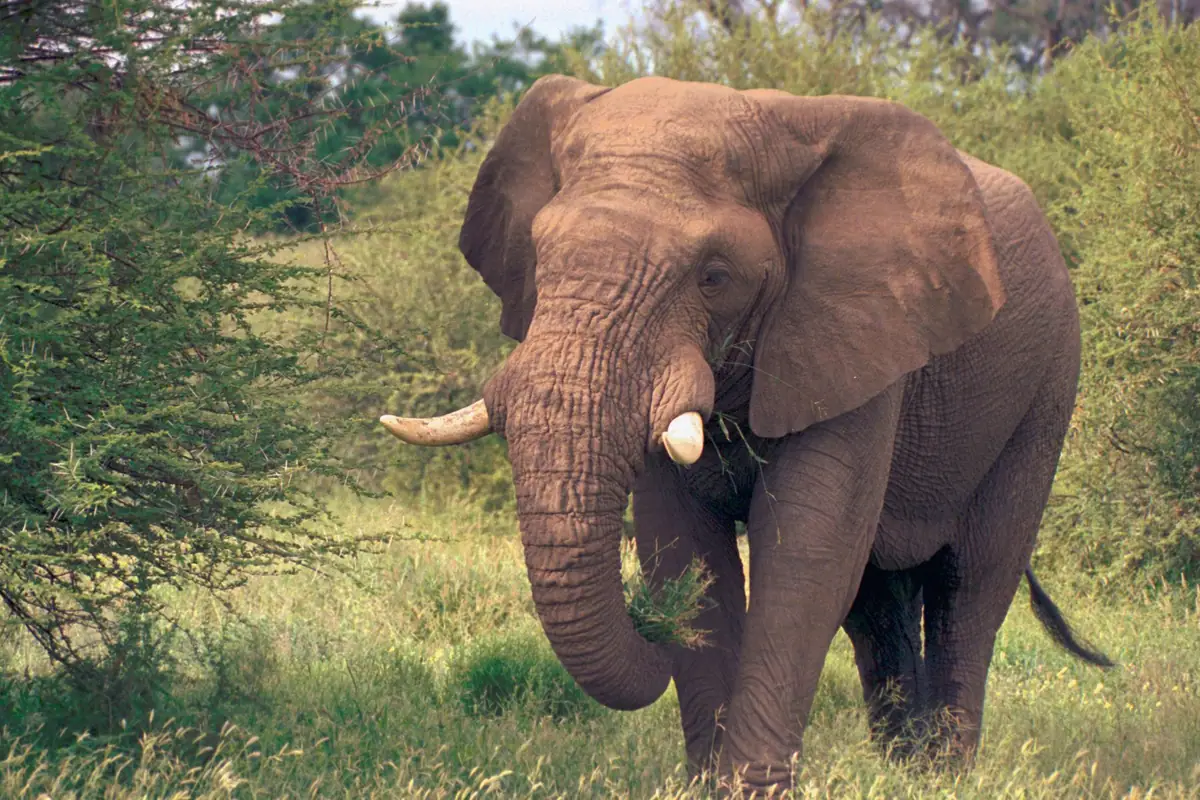
The largest elephant population on earth — at times more than 120,000 animals — concentrated on a river frontage that in the dry season becomes the only reliable water for a very long way.
The riverfront is best seen from a boat, at eye level with elephant crossing to the islands. It is also the easiest part of Botswana to reach, an hour from Victoria Falls.
- Best monthsJune to October for the concentrations; year-round for the river
- How you see itBoat cruises and game drives, from Kasane
- Who it suitsFirst-timers, short breaks, photographers, Victoria Falls add-ons
The Kalahari & the Salt Pans
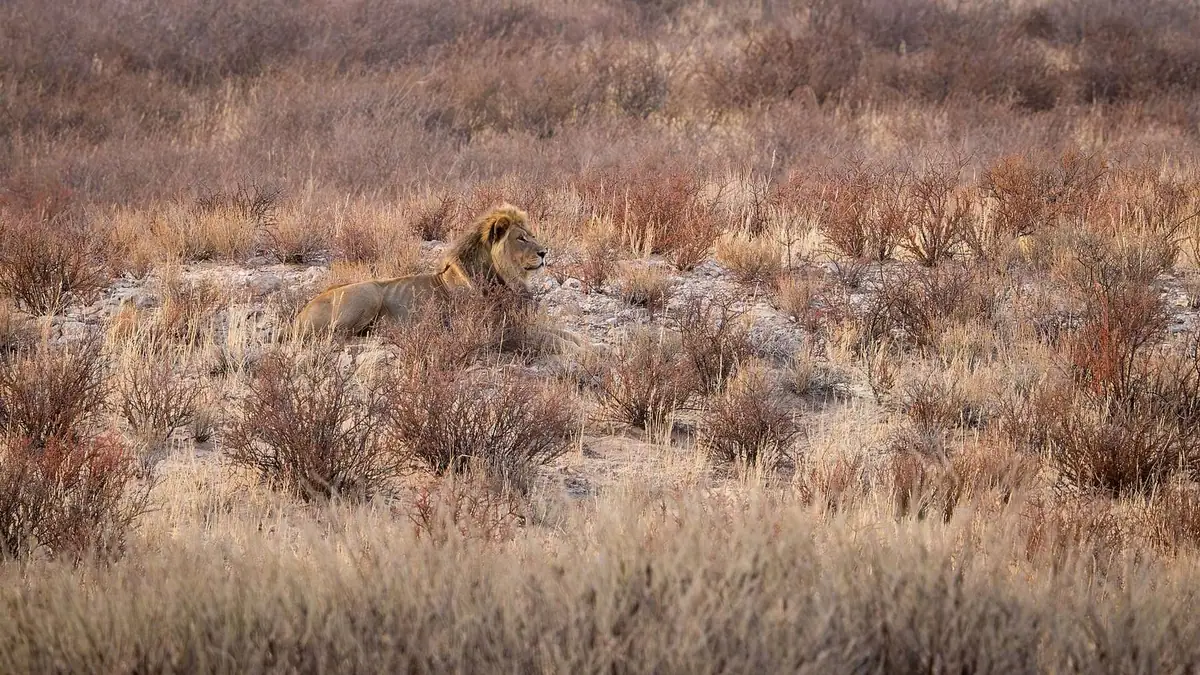
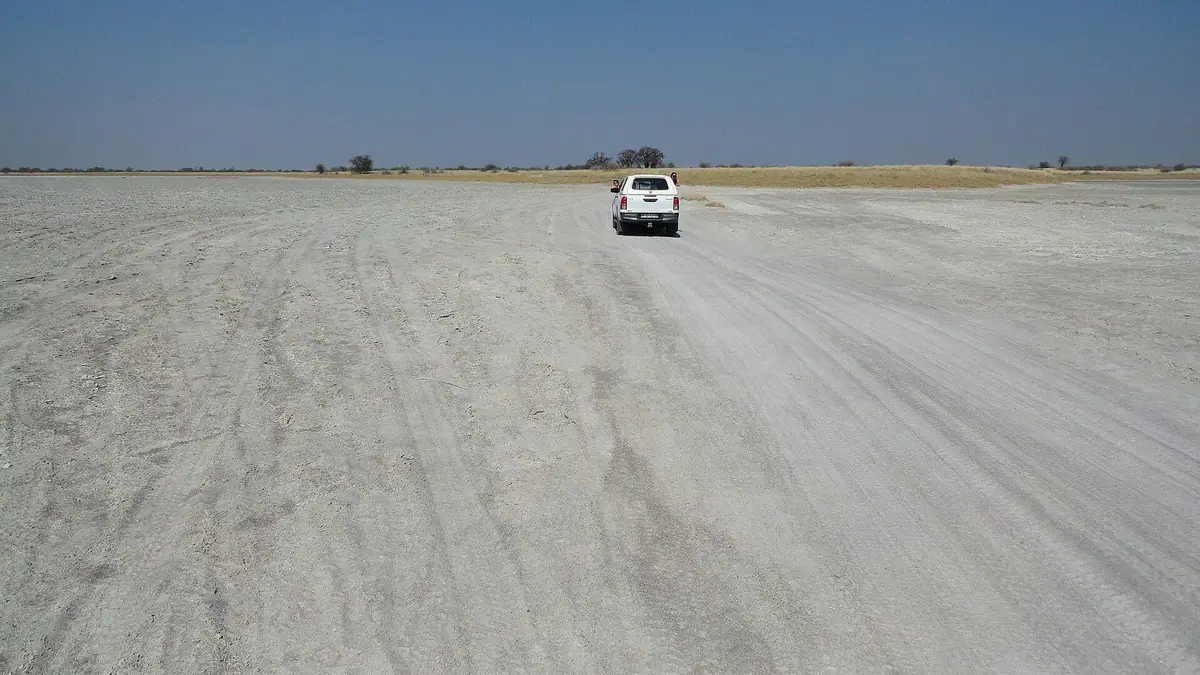
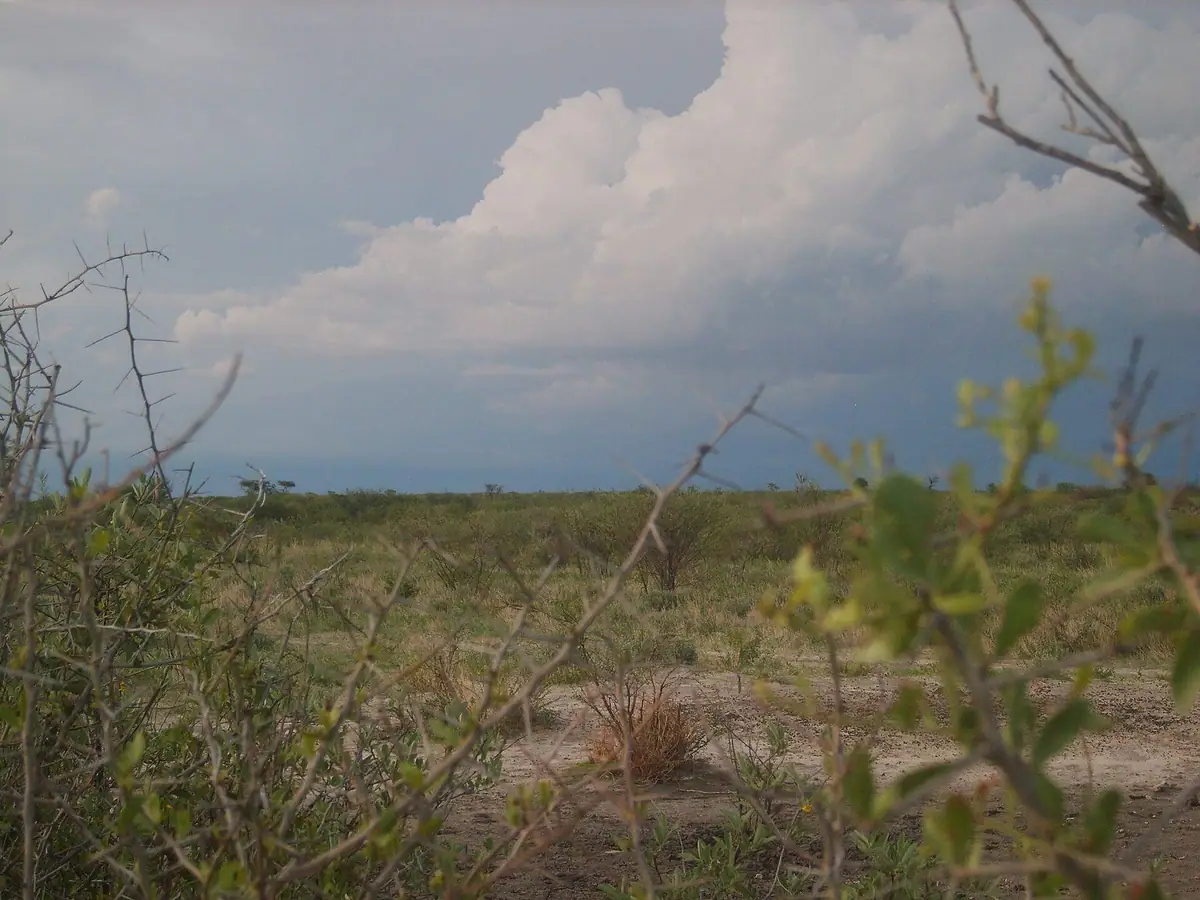
The Central Kalahari Game Reserve is the second-largest protected area in the world, and holds black-maned lion, cheetah and the fossil river bed of Deception Valley. Beside it lie the Makgadikgadi and Nxai pans — salt flats the size of Switzerland, empty and blinding in the dry, green grassland full of zebra after the rains.
This is where Botswana stops looking like a safari brochure and starts looking like the surface of somewhere else.
- Best monthsDecember to April for game and the migration; year-round for the pans
- How you see itGame drives, quad-biking, sleep-outs, meerkats and San tracking
- Who it suitsSecond-time visitors, photographers, anyone who wants space
Linyanti, Selinda & Savuti
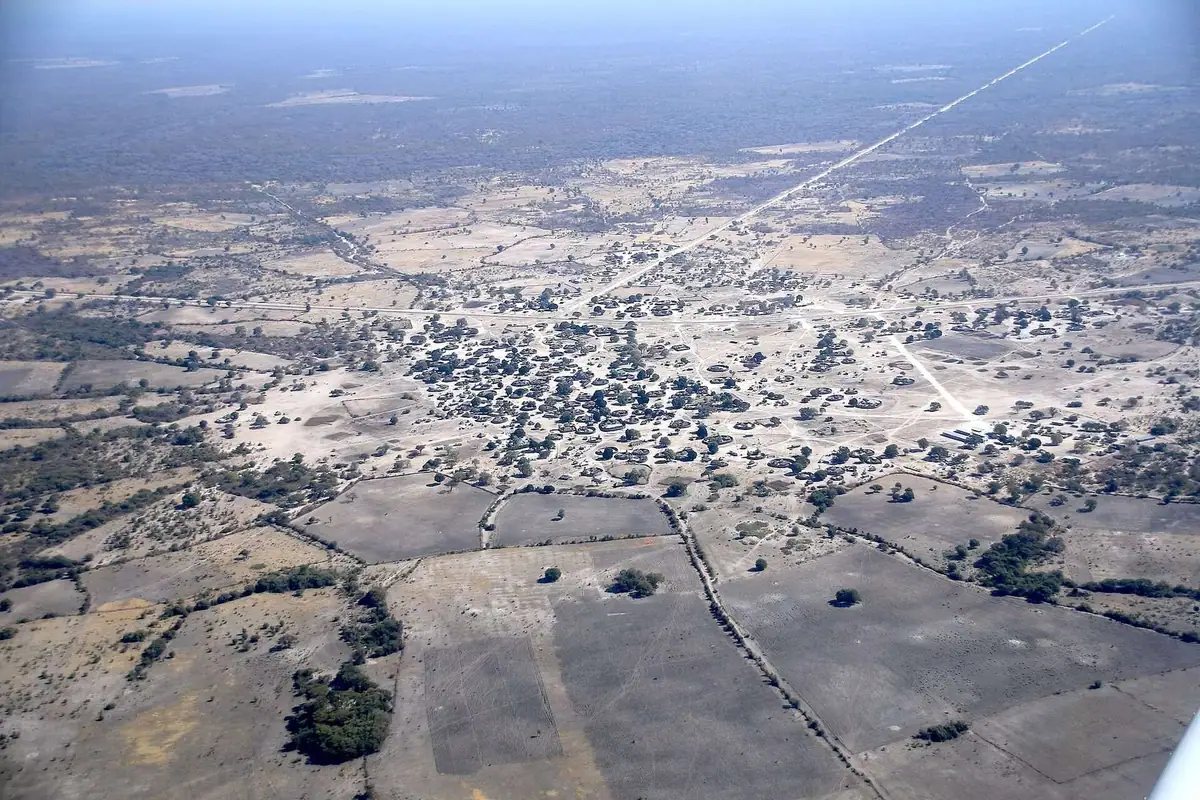
Vast private concessions in the north with negligible vehicle traffic, where night drives and walking safaris are permitted because national park rules do not apply. Savuti’s lion prides are among the most studied and most formidable in Africa, and the Selinda Spillway is one of the best wild dog areas on the continent.
- Best monthsMay to October, when game concentrates on the waterways
- How you see itGame drives, night drives, walking safaris, boats in season
- Who it suitsExperienced safari travellers and serious photographers
Every place we go, each on its own page.
Grouped the way they usually combine. Each page covers when to go, how to get there, what you do there and what guests ask us about it.
The Okavango Delta
Okavango Delta
The flood, the mokoro and the water camps
Moremi Game Reserve
The Delta's protected heart, reachable by road
Khwai Community Concession
Community land with night drives and walking
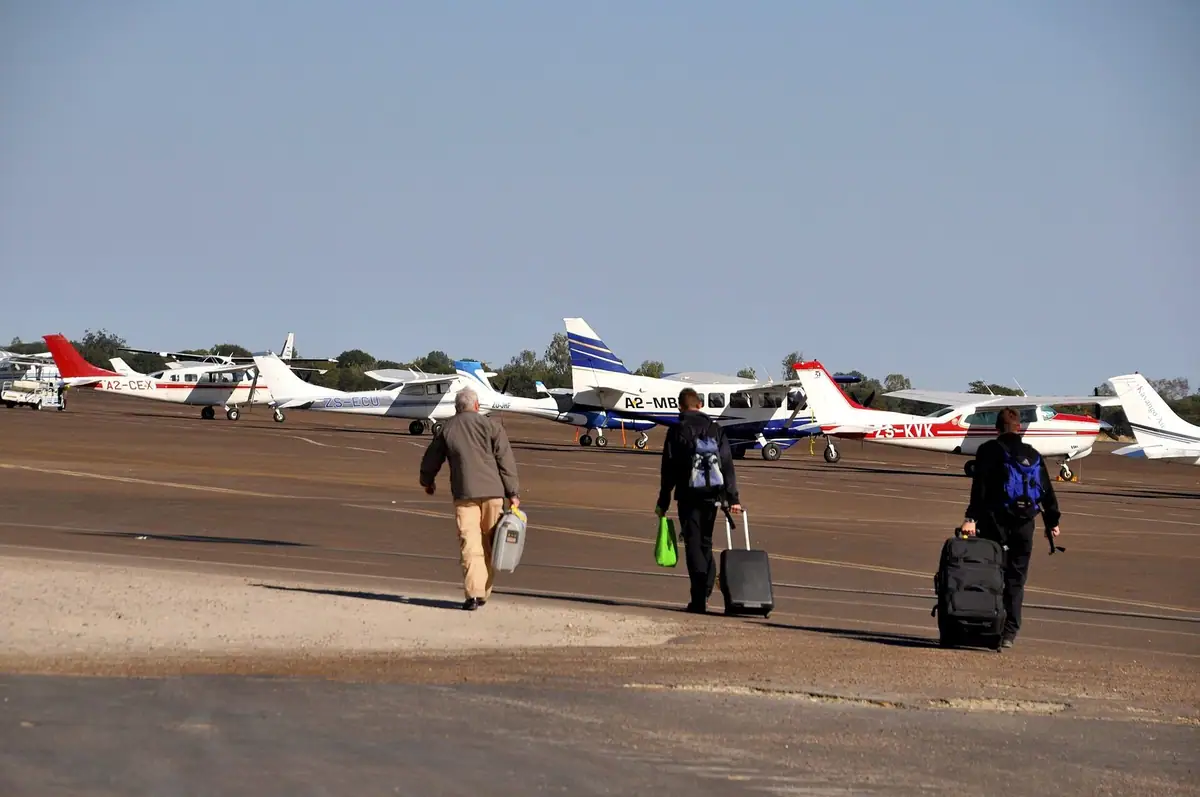
Maun
The Delta gateway, and its light-aircraft hub
Chobe and the private concessions
Chobe National Park
The largest elephant population on earth
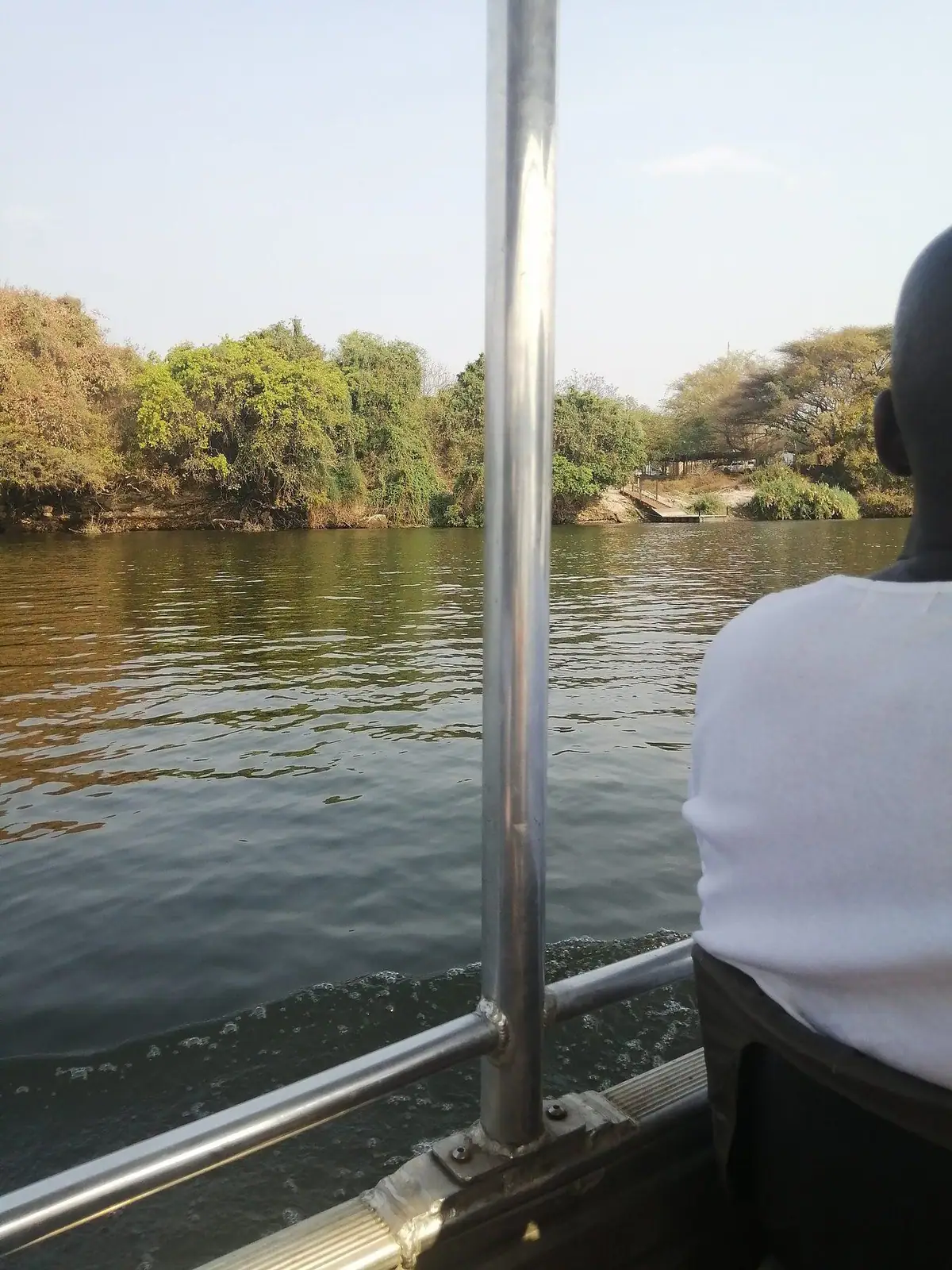
Kasane
River cruises, and the road to Victoria Falls
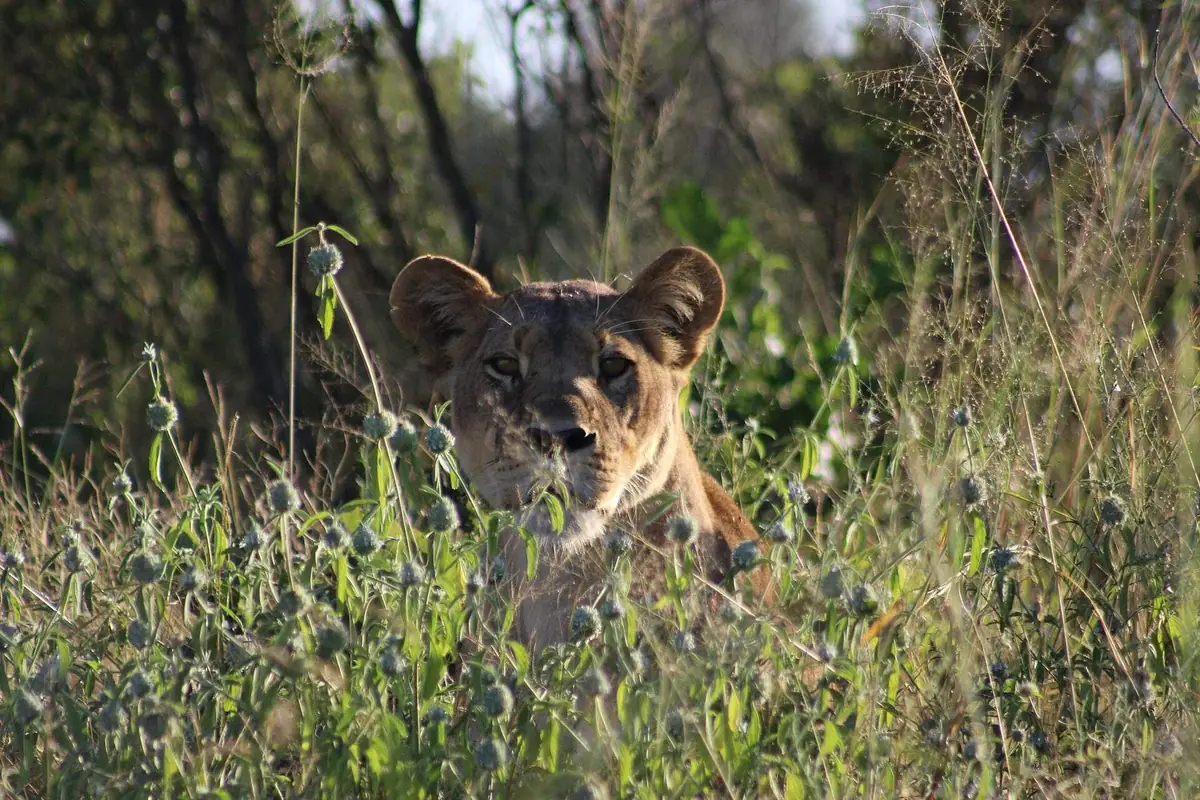
Savuti
The marsh, the channel and the big prides
Linyanti, Selinda and Savuti
Night drives, walking and very few vehicles
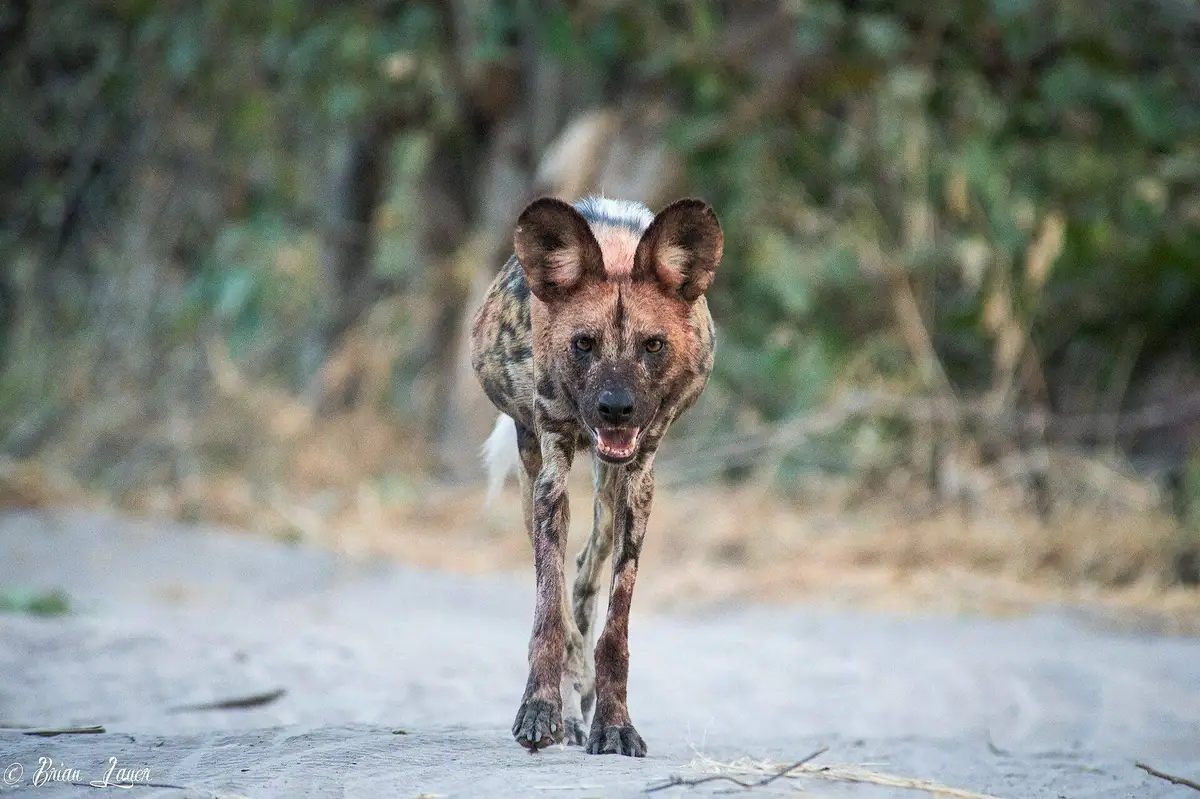
The Linyanti
Elephant, wild dog and night drives
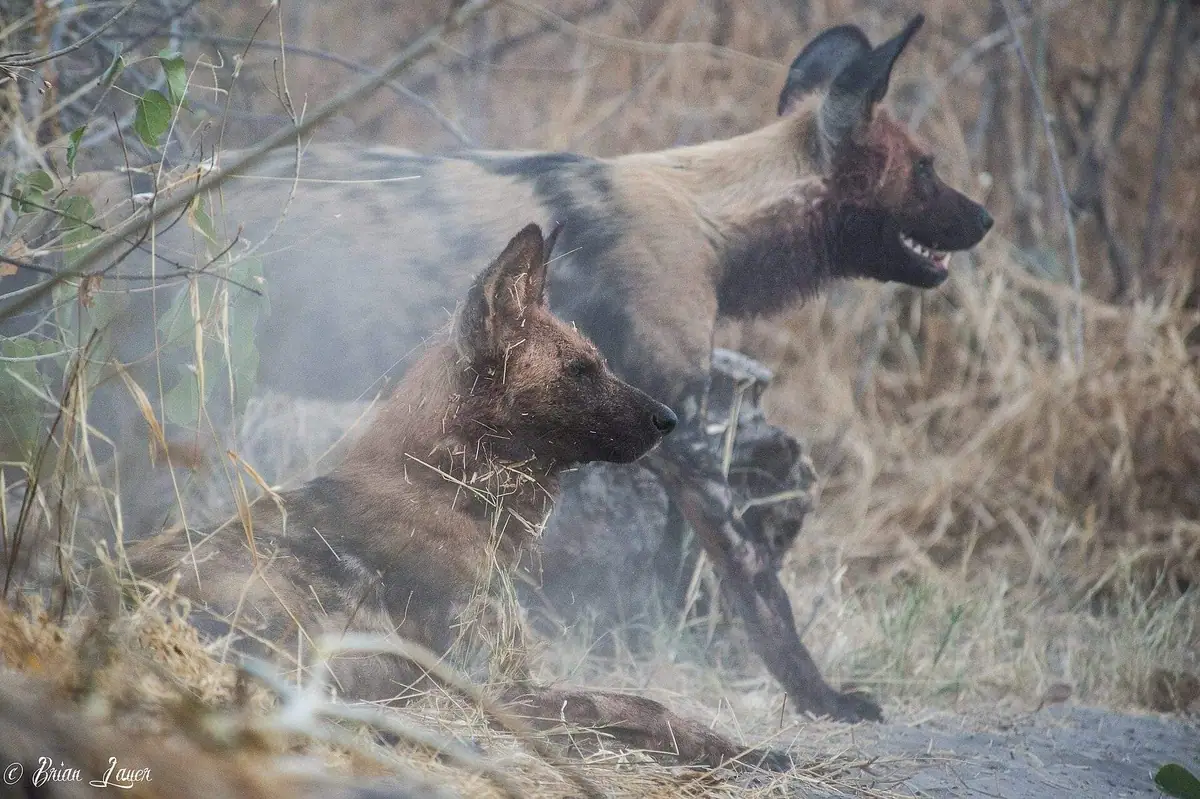
The Selinda Reserve
Walking, canoeing and open plains
The Kalahari and the salt pans
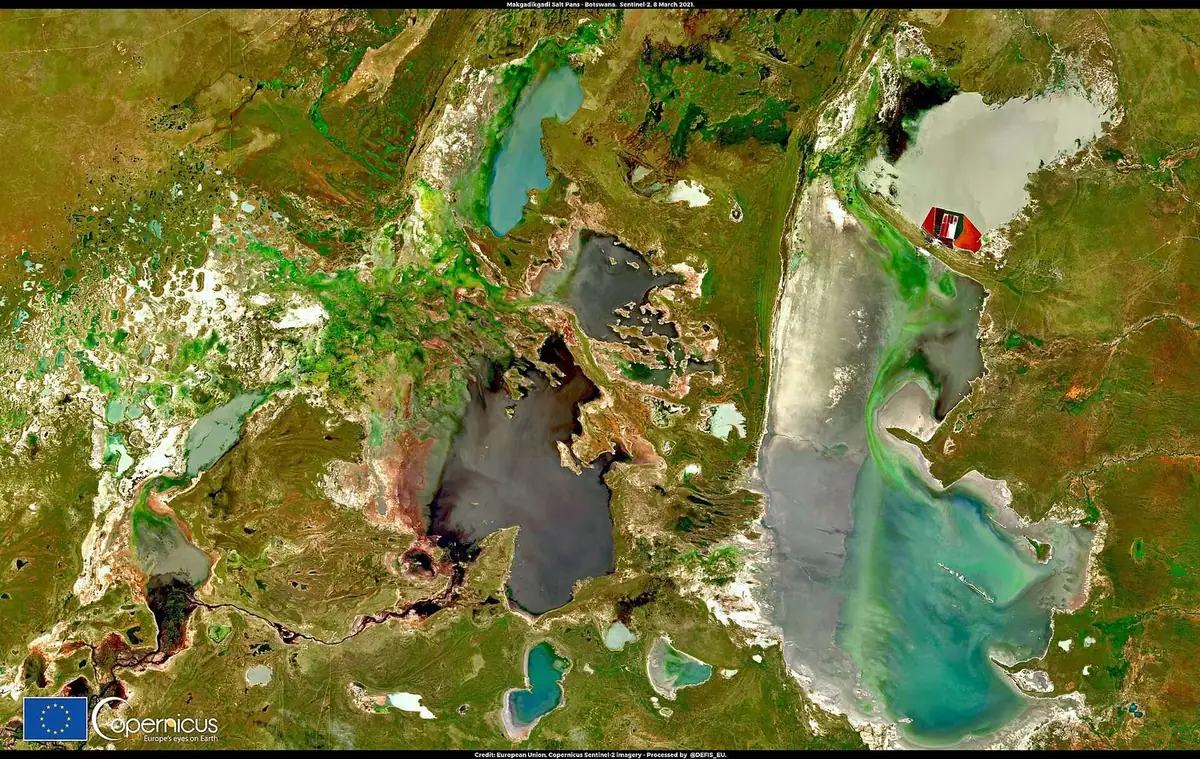
The Kalahari and the Salt Pans
The Central Kalahari, Makgadikgadi and Nxai Pan
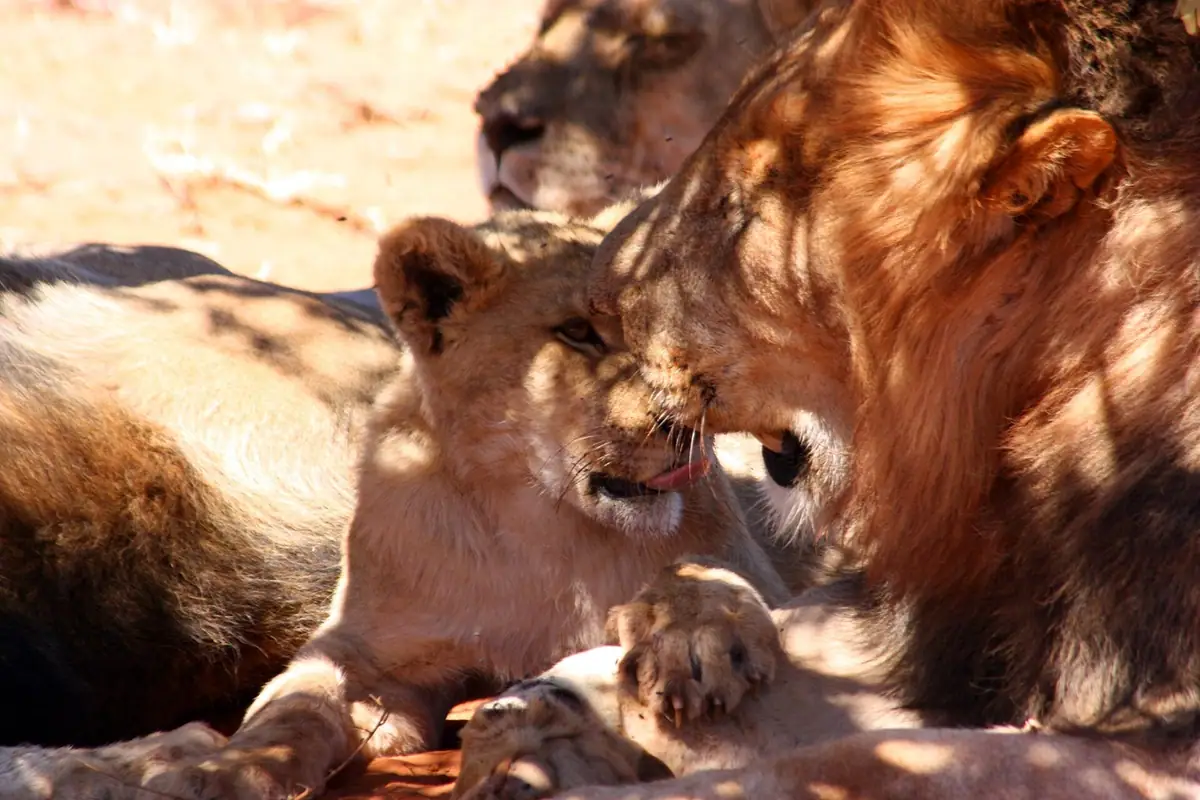
Central Kalahari Game Reserve
Deception Valley and the black-maned lion
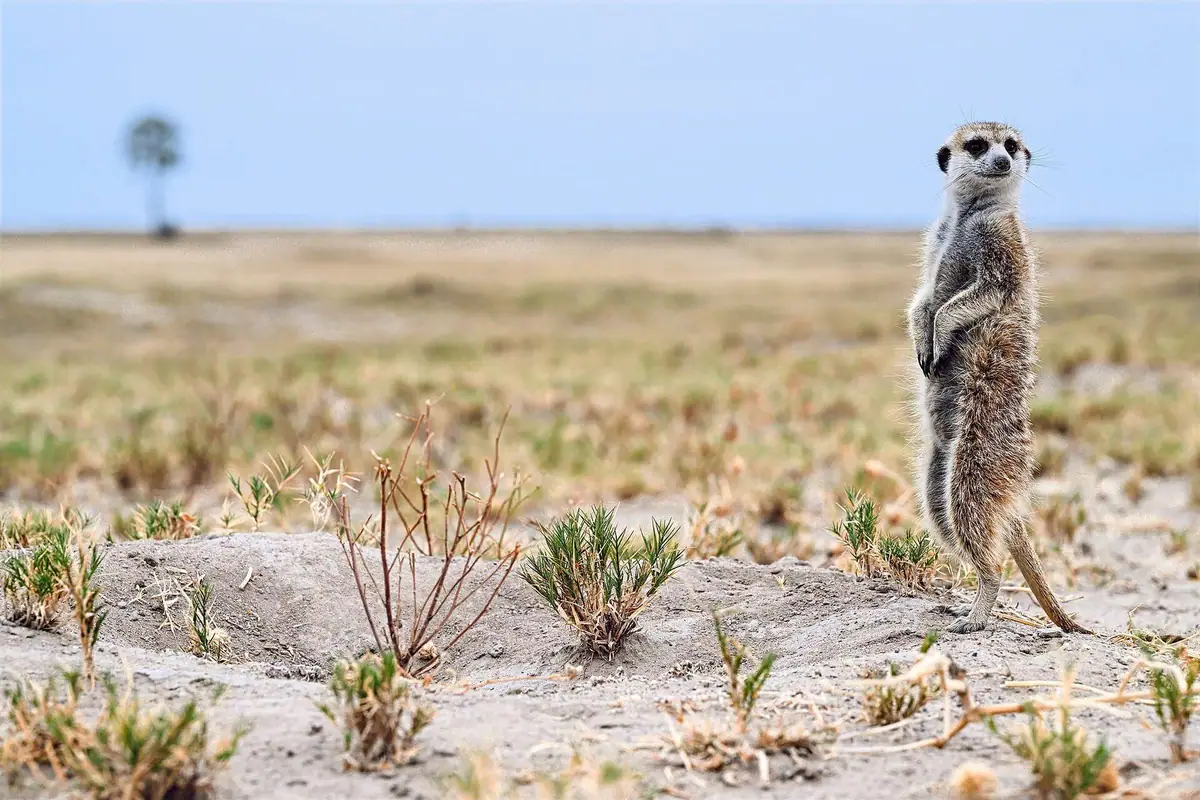
The Makgadikgadi Pans
Salt flats, meerkats and the zebra migration
Nxai Pan National Park
Baines' Baobabs and the green-season herds
Beyond the north
The country, in pictures.
Not sure which parts of Botswana suit you?
That is the most common question we answer, and the one most worth getting right. Tell us when you can travel and what you want out of it.