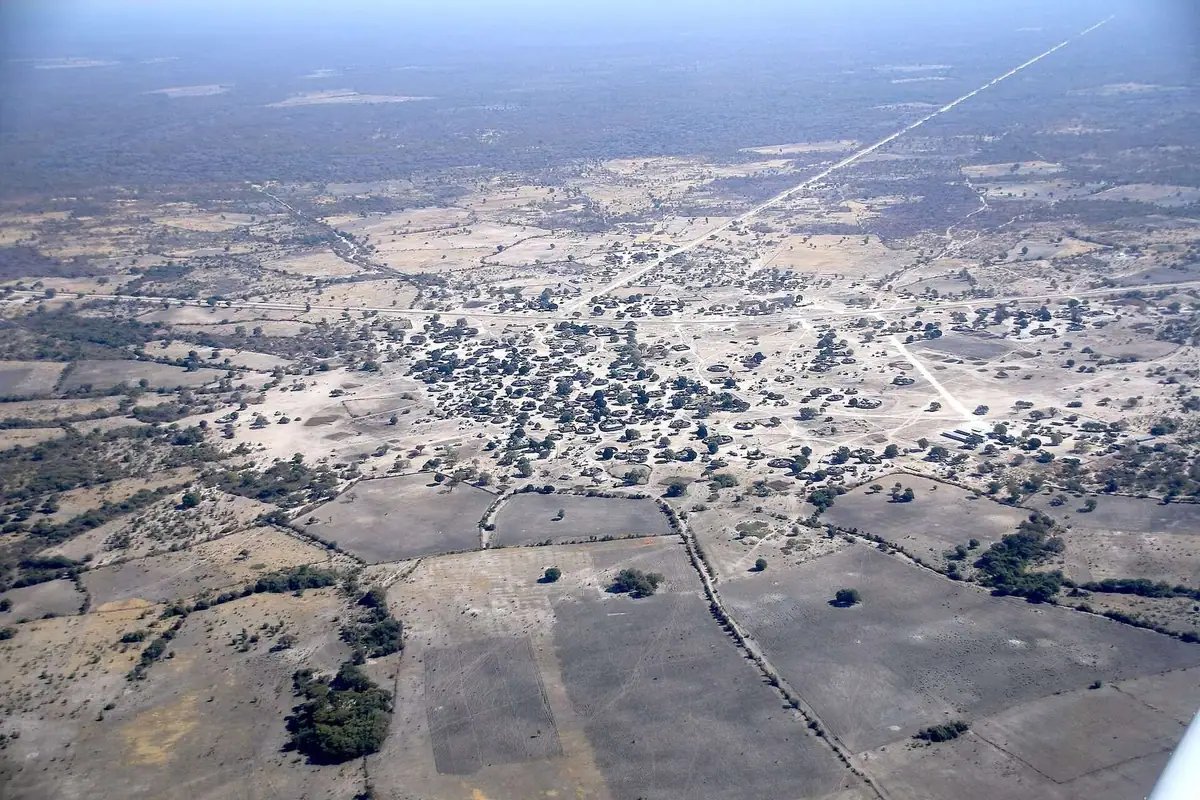
The Linyanti: a river border, and the elephant that gather on it.
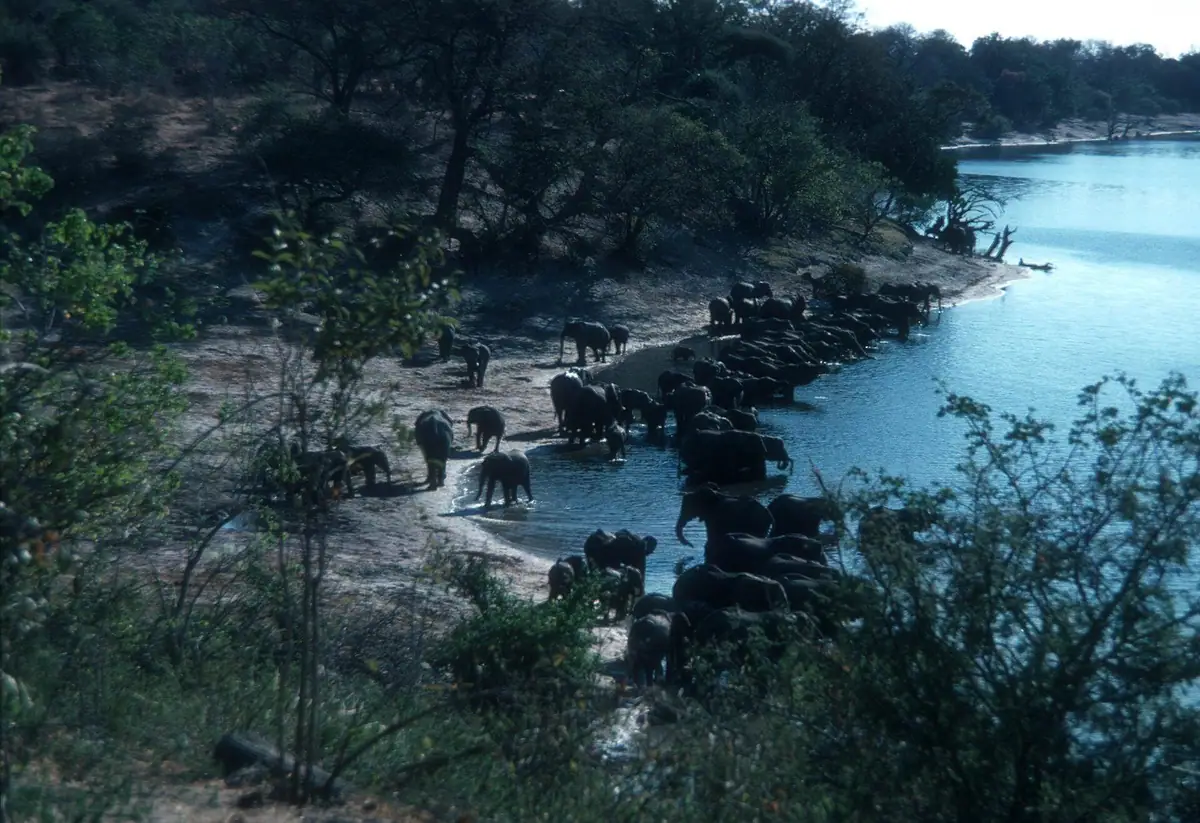
In the dry months the Linyanti is the last water for a great many elephant. The concessions along it are large, private and lightly visited.
Where the Kwando becomes the Linyanti.
The Kwando River runs south out of Angola, reaches the Botswana border, and turns east. From there it is called the Linyanti. It spreads into the Linyanti swamps, a maze of reedbed, lagoon and riverine forest, before continuing east and, much later, becoming the Chobe. Namibia is on the far bank for the whole stretch.
The Botswana side is part national park and part private concession. In the concessions, a few small camps share a very large area under strict bed limits, and they are allowed the things a national park forbids: night drives with a spotlight, guided walks, and leaving the track to follow an animal. It is quiet in a way the Chobe riverfront is not.
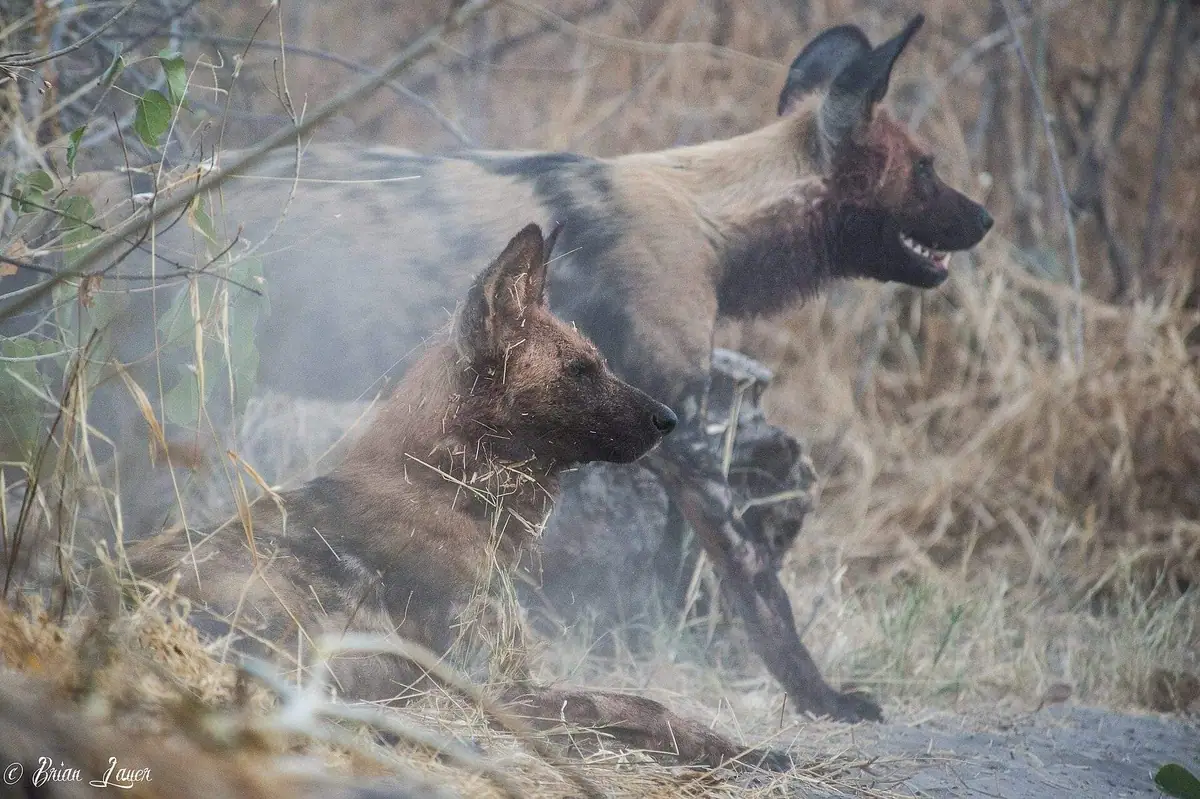
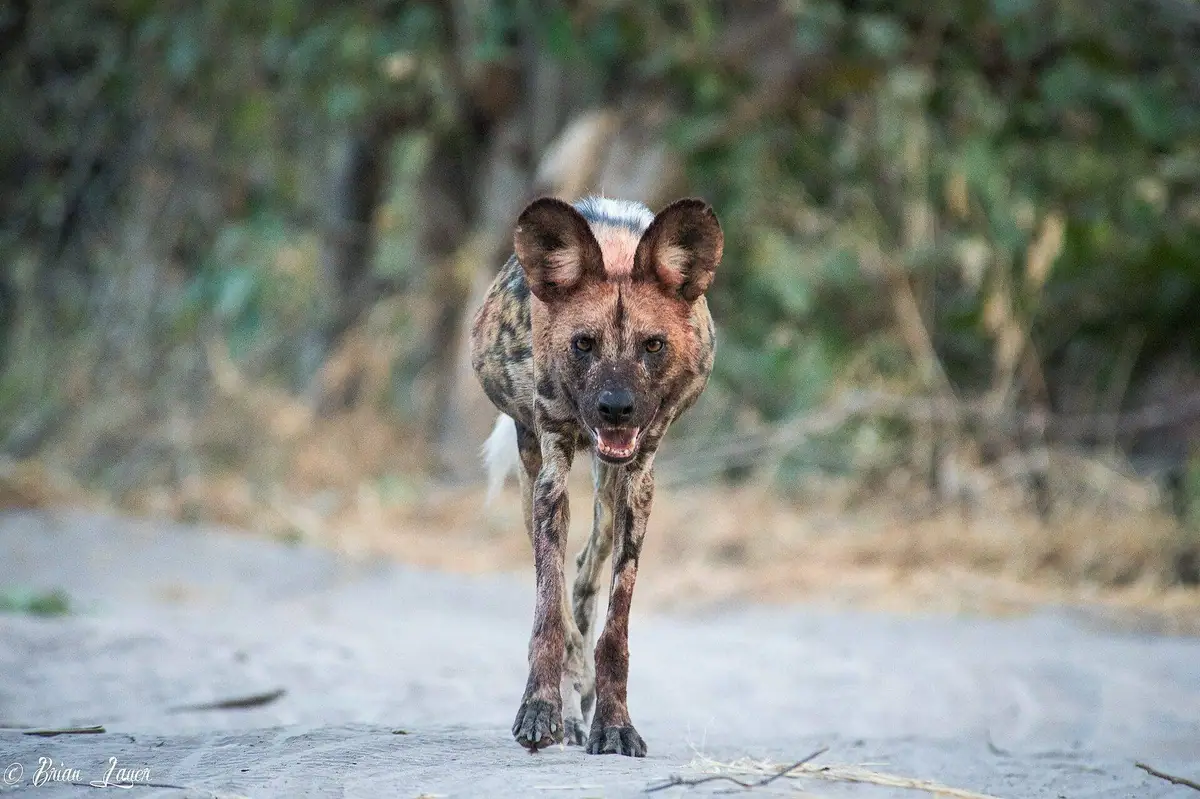
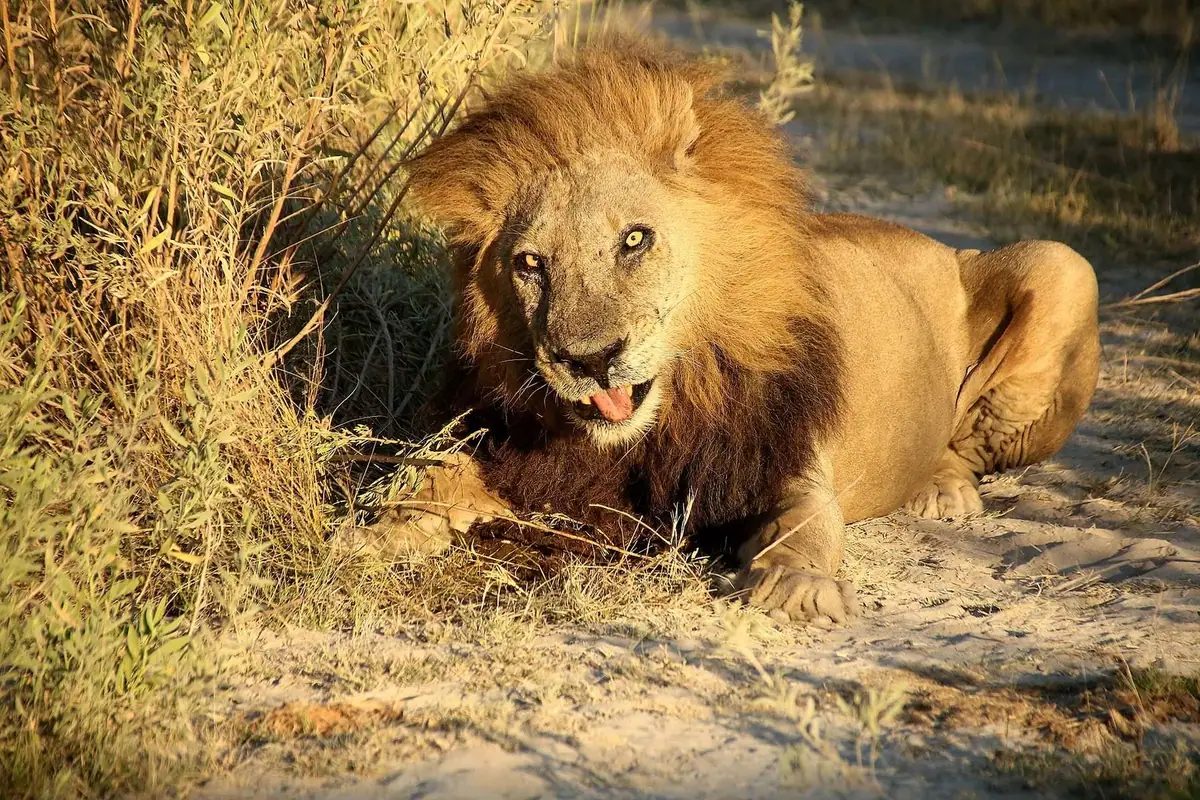
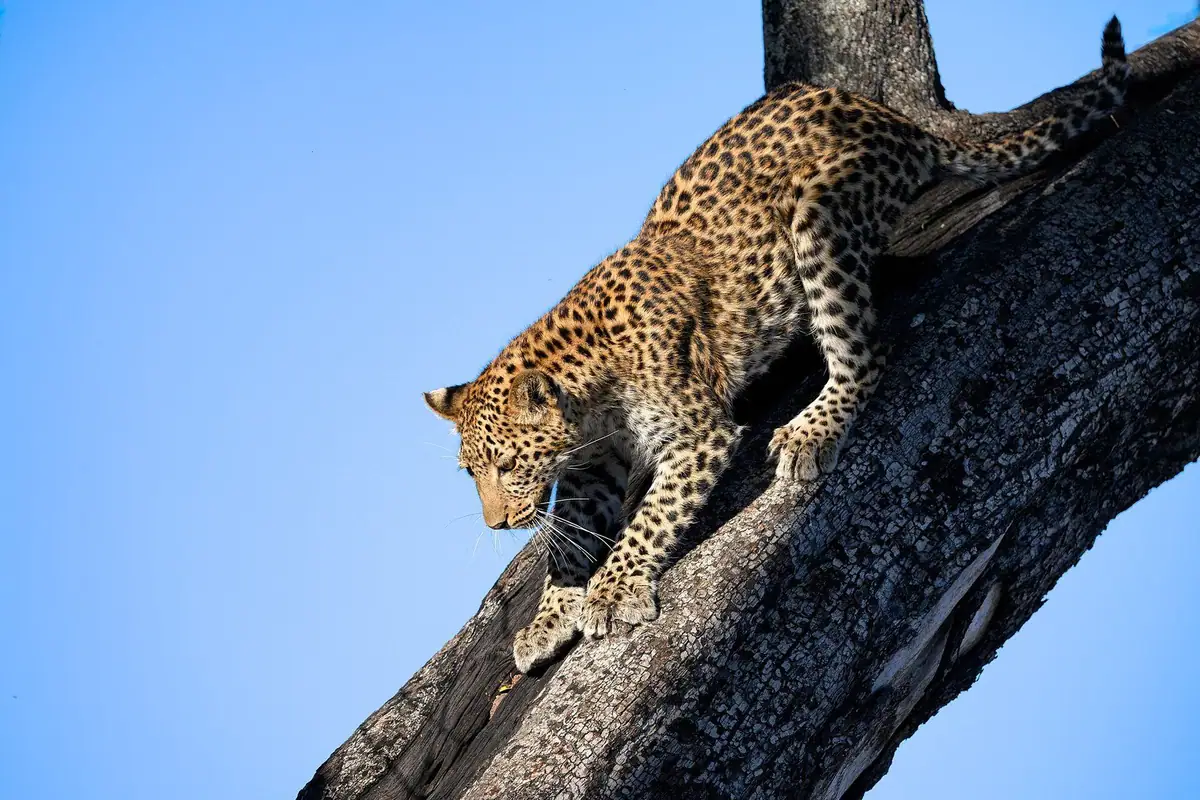
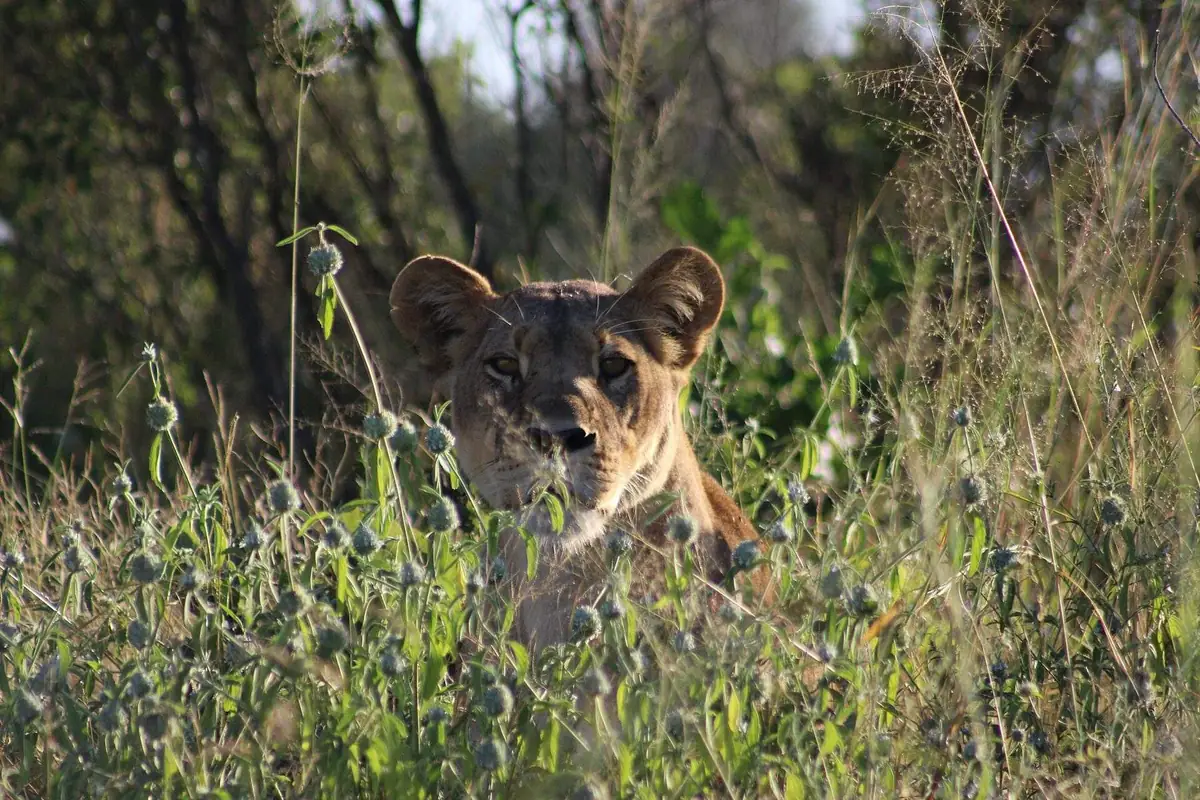
The dry season is when it earns its reputation. As the inland pans empty, elephant come to the river in herds that can number in the hundreds, and the woodland along it holds lion, leopard, sable and some of the most reliable wild dog in Africa. The photographs of wild dog on this page were taken in the Linyanti.
The Linyanti: the essentials.
- WhereNorthern Botswana, along the Namibian border between the Kwando and Savuti
- Best monthsJune to October, with the elephant peaking from August
- Getting thereBy light aircraft from Maun or Kasane, about an hour
- How you see itDay and night drives, walking, and boats on the lagoons when water allows
- AccessPrivate concessions with strict bed limits, plus the Linyanti sector of Chobe National Park
- Who it suitsSecond-time visitors, photographers, and anyone set on wild dog
Reasons to give the Linyanti three nights.
Elephant at the river
Late-afternoon herds crossing and drinking along the channels, with very few vehicles watching. Big bulls feed in the reeds through the heat of the day.
Wild dog
Packs range widely through the concessions and den in the dry season. Denning months, roughly June to August, give the best chance of extended sightings.
Night drives
After dark, a tracker sweeps the bush with a filtered spotlight: hyena, genet, civet, porcupine, and leopard on the move.
Walking
Morning walks with an armed professional guide along the floodplain and woodland edge. Minimum ages apply, typically twelve or sixteen.
On the water
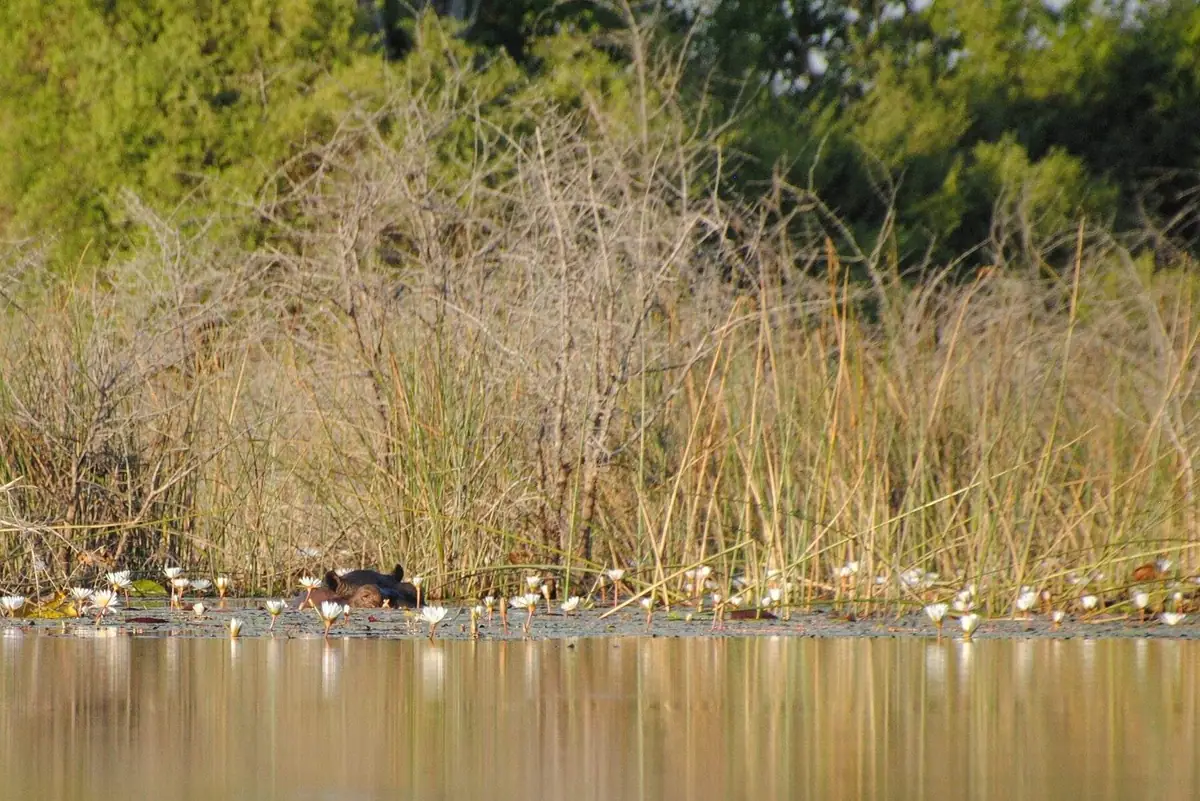
Where the channels hold enough water, boat trips onto the lagoons for hippo, crocodile and birdlife. The level varies with the year.
Sable and roan
The mopane and riverine woodland is good country for sable antelope, and roan turn up from time to time. Neither is easy to find elsewhere in Botswana.
What guests ask us about Linyanti.
Is the Linyanti in Chobe National Park?
Partly. The Linyanti sector of the park covers a stretch of the river, and the rest is private concession. Where you stay decides what you can do: night drives and walking are possible only in the concessions.
When are the elephant on the Linyanti?
Through the dry season, building from about June and peaking from August to October, when the river is the only reliable water for a long way. In the green season the herds disperse inland and the bush thickens.
How does the Linyanti compare with the Okavango Delta?
It is drier and more wooded, and it is river and marsh rather than a fan of islands. There are fewer water activities and more elephant. Most guests combine the two, often with Savuti between them.
How to fit Linyanti into a journey.
It features in these two signature journeys, and we build it into tailor-made routes all the time.
Keep reading
- Botswana’s private concessions — why vehicle numbers matter, and what night drives show you
- The Signature Collection — what a private-concession camp costs and includes
- Chobe National Park — the public park the Linyanti borders
Thinking about Linyanti?
Tell us when you can travel and what you most want to see, and we will tell you honestly how many nights it deserves and what to pair it with.