Wildlife in November.
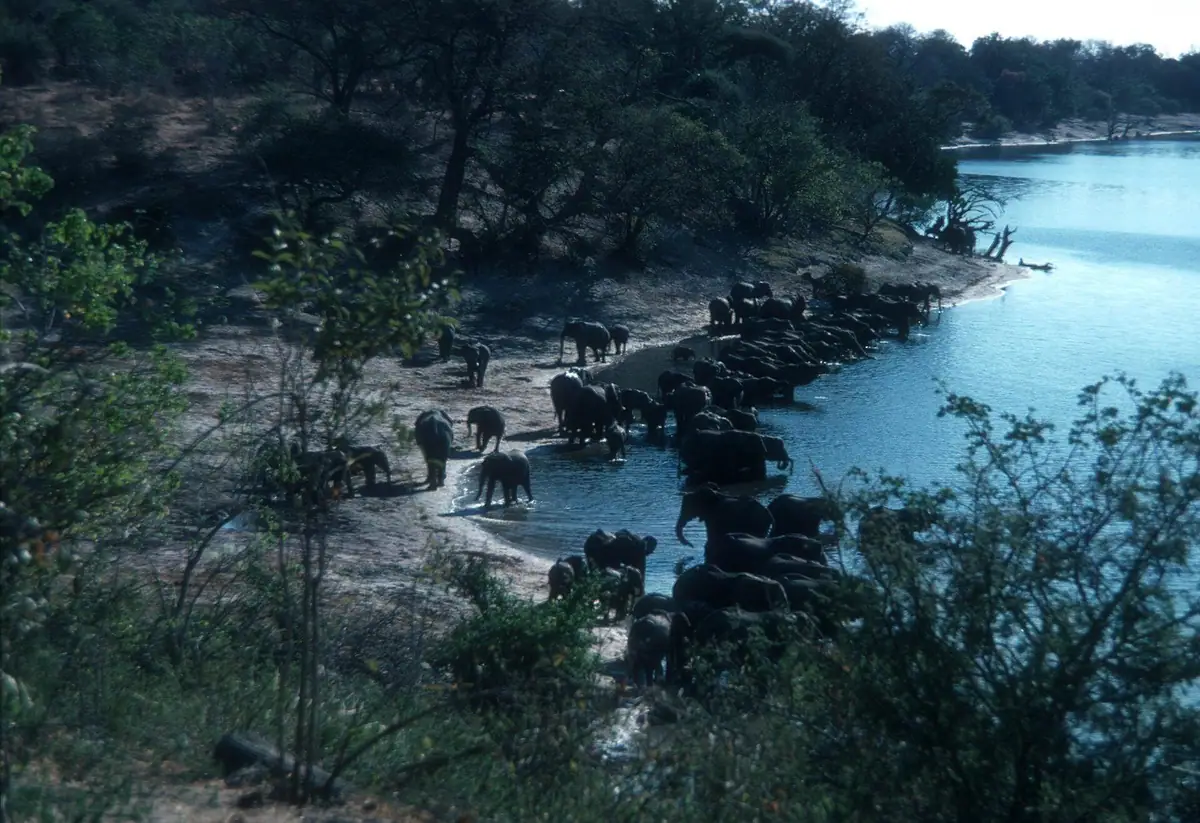
Early November still has dry-season concentrations at water, especially on the Chobe riverfront, which stays strong from August to November. As the rain arrives, animals disperse to fresh grass and rain-filled pans.
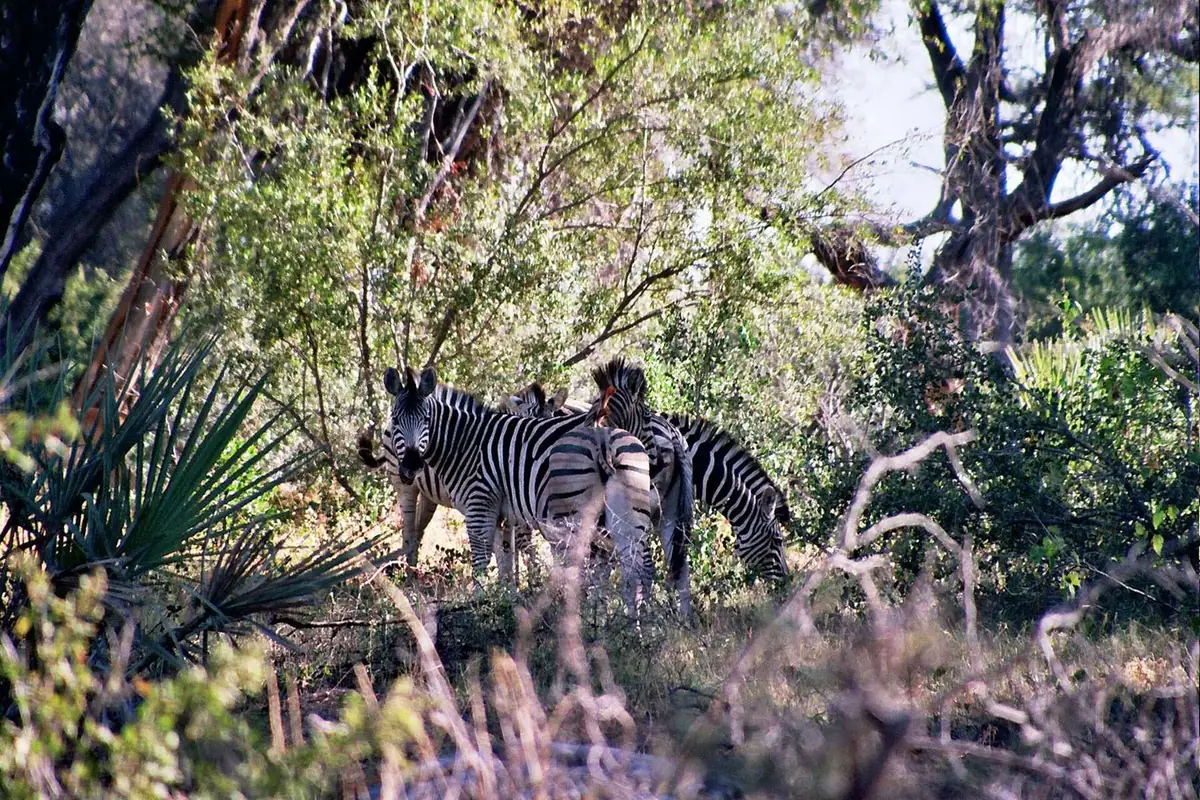
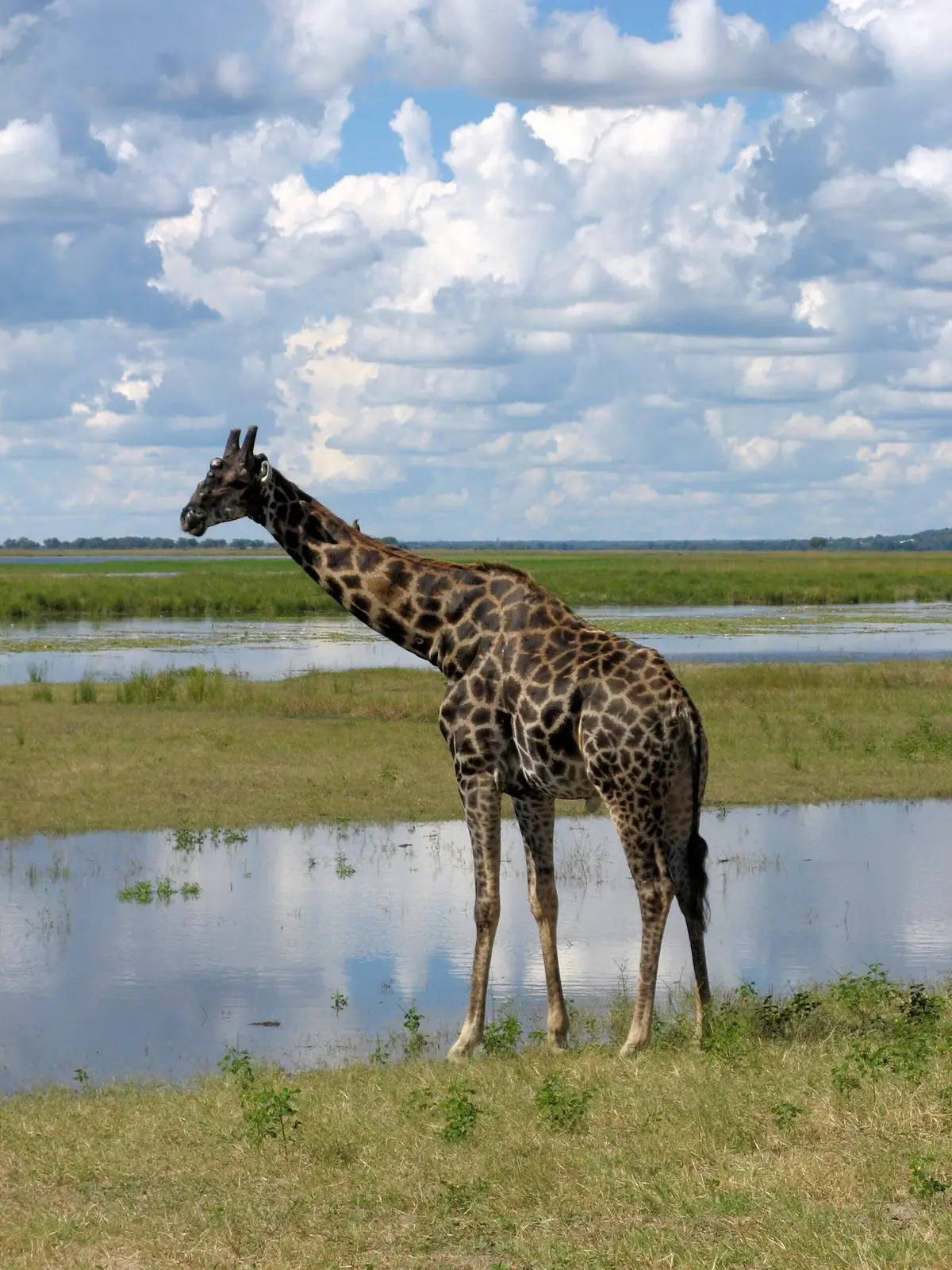
Impala and tsessebe give birth, and predators follow the newborns. Migrant birds arrive in numbers, and a zebra migration passes through Savuti around November and December.
Where to go in Botswana in November.
Chobe riverfront
Still excellent early in the month, with elephant at the river. See Chobe.
Savuti
Zebra passing through, and the first green. See Savuti.
Okavango Delta and Khwai
Newborn antelope and lower rates. See Khwai.
November weather in Botswana.
| Average high | 34°C |
|---|---|
| Average low | 19°C |
| Average rainfall | About 50mm, the first rains |
| Season | Shoulder season |
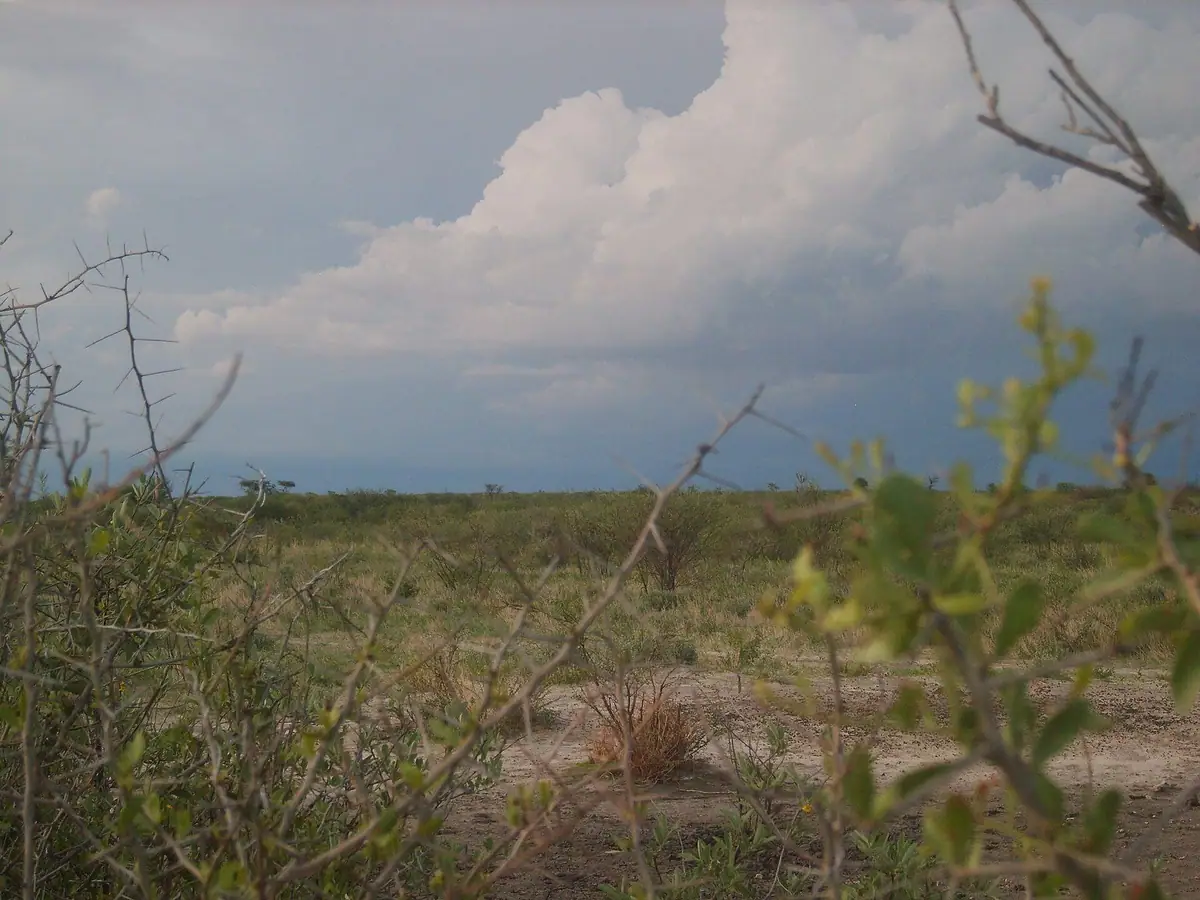
Hot and humid before the rains, with highs around 34°C. When the storms come, they usually arrive in the late afternoon and cool everything down. Timing varies a great deal from year to year.
Figures are long-term averages for Maun, the gateway to the Delta. See the full climate table.
Prices, crowds and booking.
Rates fall to shoulder or green season at most camps, often well below October, while game viewing in the first half of the month is still dry-season quality. Six to nine months’ notice is usually enough.
What to pack for November.
Light clothes for heat, a rain jacket, and good insect repellent. Malaria risk rises with the rains, so take advice on antimalarials.
Our packing guide has the full checklist and the soft-bag rules for light aircraft.
Journeys that suit November.
- Chobe Introduction: 4 days on the Chobe riverfront from Kasane.
- Delta & Desert: 7 days: the Okavango, Moremi and the Kalahari, at any level.
- Kalahari & Meerkats: 5 days in the Central Kalahari and on the pans.
Every journey is a private departure and can start on any day. We adjust the route to the month you travel.