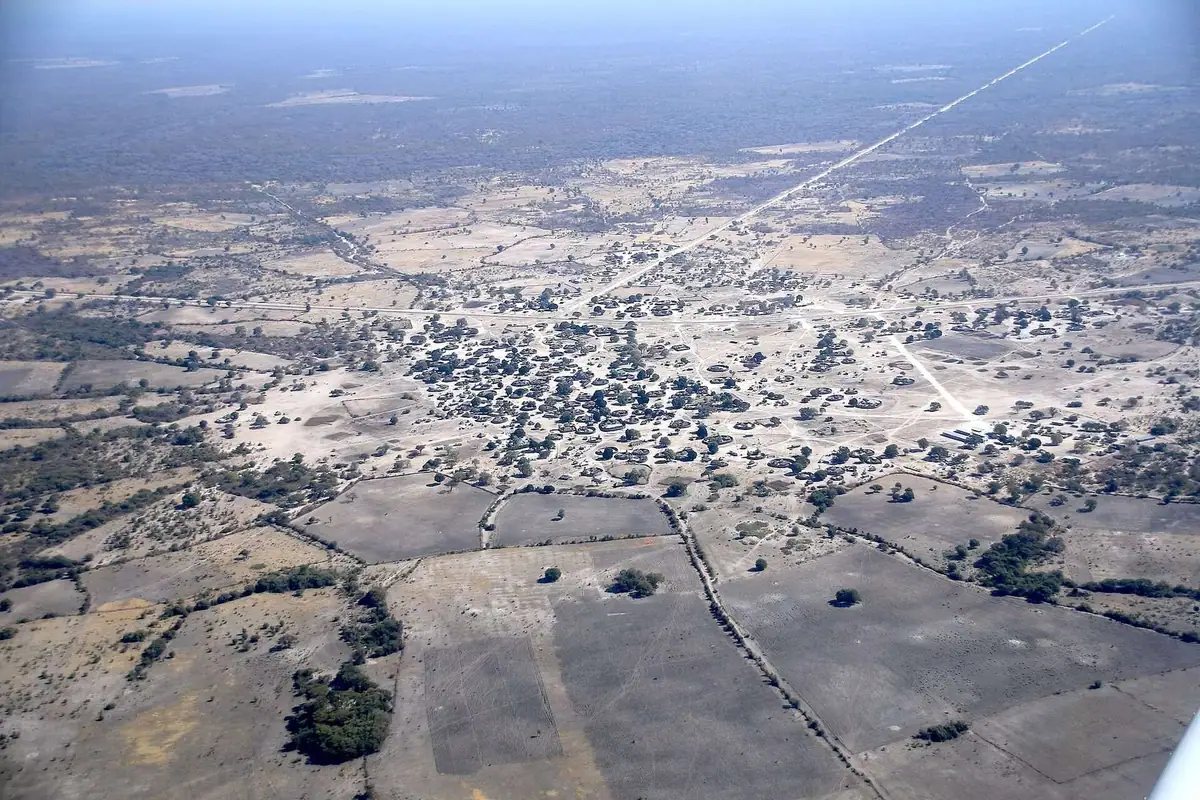
Linyanti, Selinda and Savuti: the private concessions, where the rules are different.
Night drives, walking safaris and near-empty wilderness in the northern concessions — plus the most formidable lion prides in Botswana.
Enormous areas, very few beds, almost no vehicles.
Botswana leases large private concessions to a small number of operators on strict terms, with hard limits on how many beds each may hold. The effect is that a piece of wilderness the size of a small country may contain three camps and perhaps thirty guests in total.
Because they are not national parks, the rules that keep vehicles on roads and confine activity to daylight do not apply. You can drive at night. You can get out and walk. And the sighting you find is, almost always, yours alone.
This is the part of the country the price is actually buying.
Which concession, and why.
Linyanti
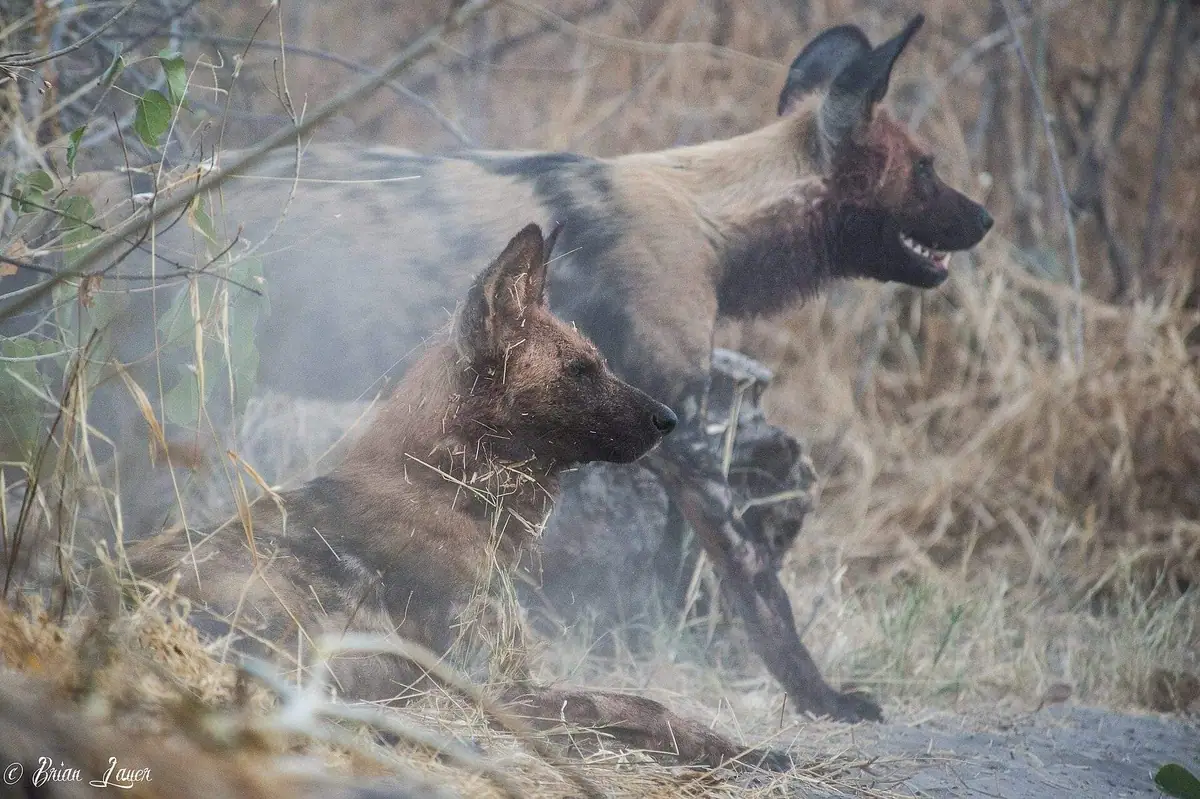
Riverine woodland and marsh on the Namibian border. Enormous elephant bulls in the dry season, excellent wild dog, and some of the best night drives in the country. The Linyanti in full.
Selinda
The Selinda Spillway, linking the Okavango and the Linyanti. Superb wild dog and lion, walking safaris, and canoeing the spillway when the water runs. Selinda in full.
Savuti
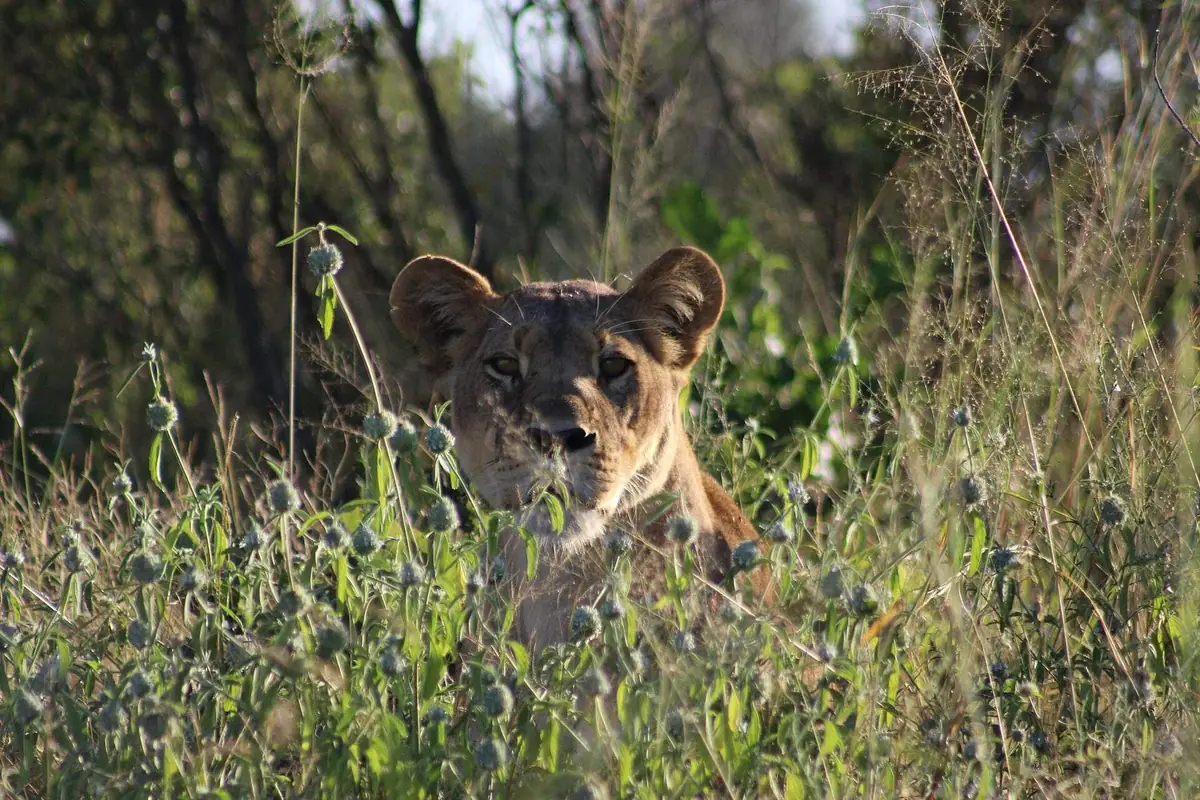
The marsh and sandridge in Chobe National Park, beside the concessions. Big prides, elephant-hunting lions and open country. Savuti in full.
The two activities the parks will not allow.
A night drive
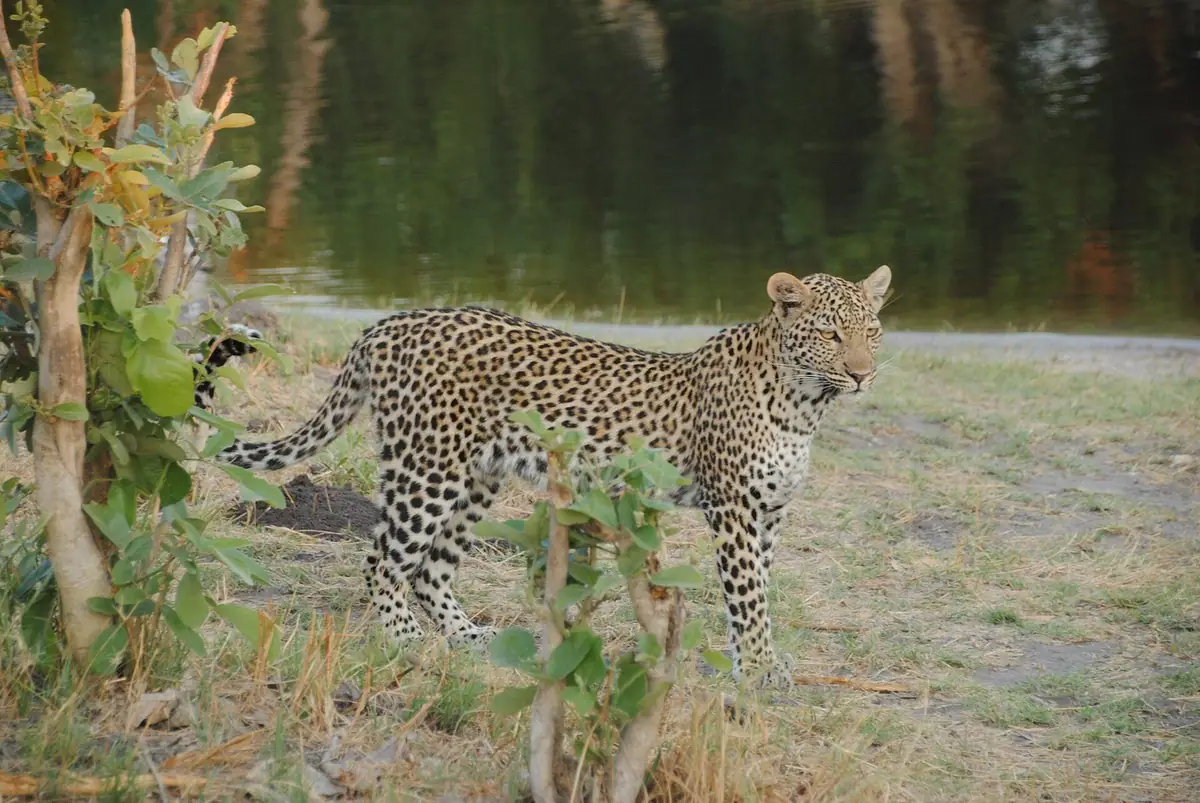
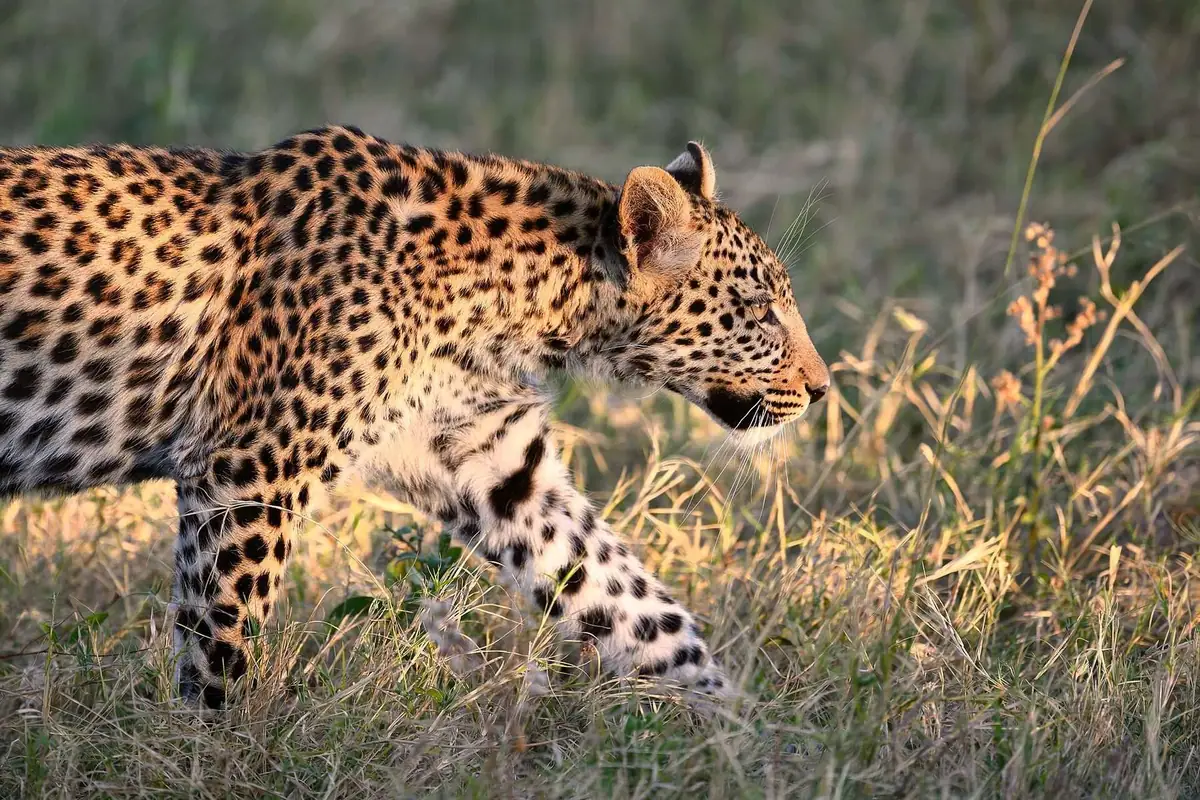
You leave camp at about four, watch the light go, and then a tracker on the front seat switches on a filtered spotlight and sweeps the bush as you drive. What appears is a different country: genets, civets, porcupine, aardwolf, spring hare in their hundreds, and — on a good night — leopard actually hunting rather than sleeping in a tree.
Roughly two-thirds of African mammal species are nocturnal or crepuscular. A safari that ends at sunset is missing most of them.
A walking safari
Two or three hours at conversational pace with an armed professional guide, usually starting at first light. It is not about covering ground or finding big game — it is about tracks, dung, termite mounds, medicinal plants, birds, and the entirely different feeling of being on foot in a landscape where you are not the top predator.
Guests who have done twenty game drives frequently say the first walk was the thing they remember. Minimum ages apply, typically twelve or sixteen.
The Linyanti, Selinda and Savuti, each in full.
What guests ask us.
What can I do in a concession that I cannot do in a national park?
Drive after dark with a spotlight, and walk with an armed professional guide. Botswana’s national parks prohibit both. A very large proportion of African wildlife is nocturnal or crepuscular, so a night drive is not a novelty: it is access to a completely different set of animals, from aardwolf and porcupine to hunting leopard.
How much quieter are they really?
Dramatically. A concession may run to hundreds of square kilometres with two or three small camps in it and a hard cap on beds. In practice that means you can spend an hour with a leopard and never see another vehicle — which in the busier parts of East Africa would be unimaginable.
Where are the best wild dogs?
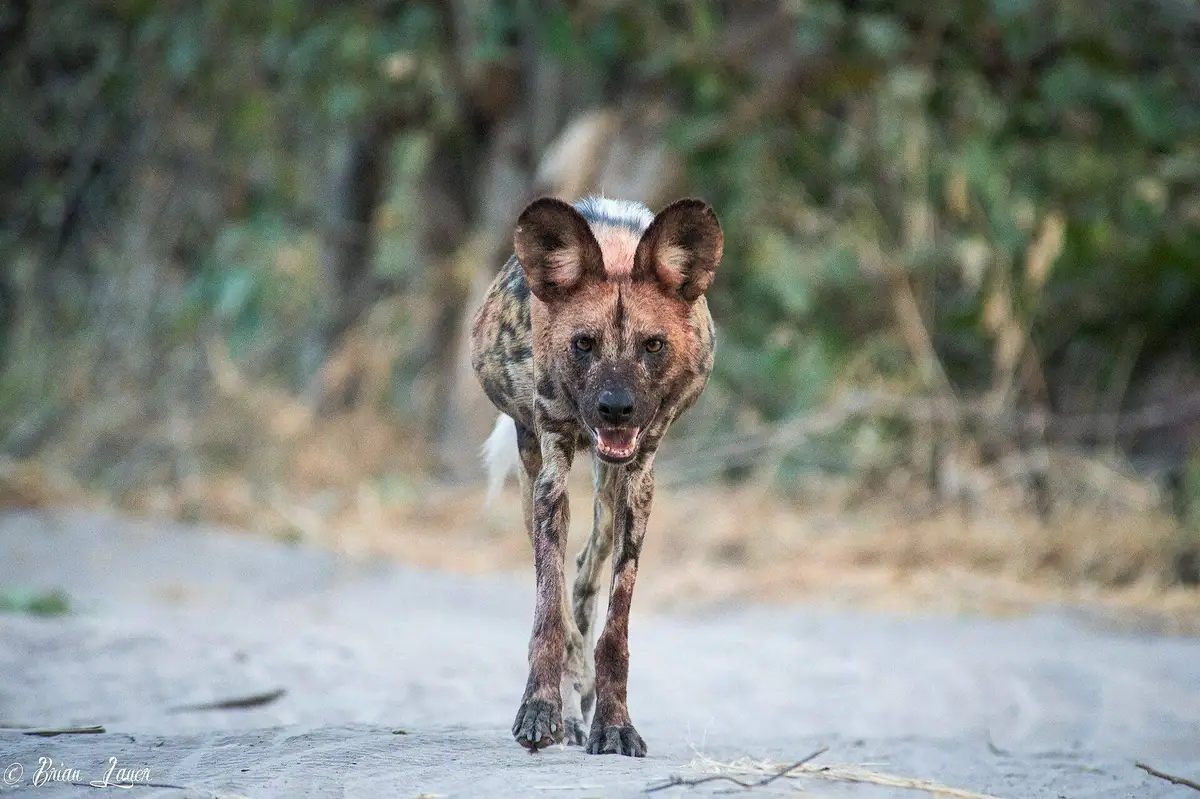
The Selinda Spillway and the Linyanti are among the best wild dog country left in Africa. Botswana as a whole holds one of the largest remaining populations of an endangered species, and denning season — roughly June to August — gives the most reliable sightings anywhere on the continent.
Which concession should we choose?
Do I need to be fit for a walking safari?
Not especially. A guided walk is two or three hours at conversational pace, and it is about tracks, plants, dung, birds and being on foot in a landscape rather than covering distance. You need to be able to walk on uneven ground and follow instructions precisely. Minimum ages usually apply, typically twelve or sixteen.
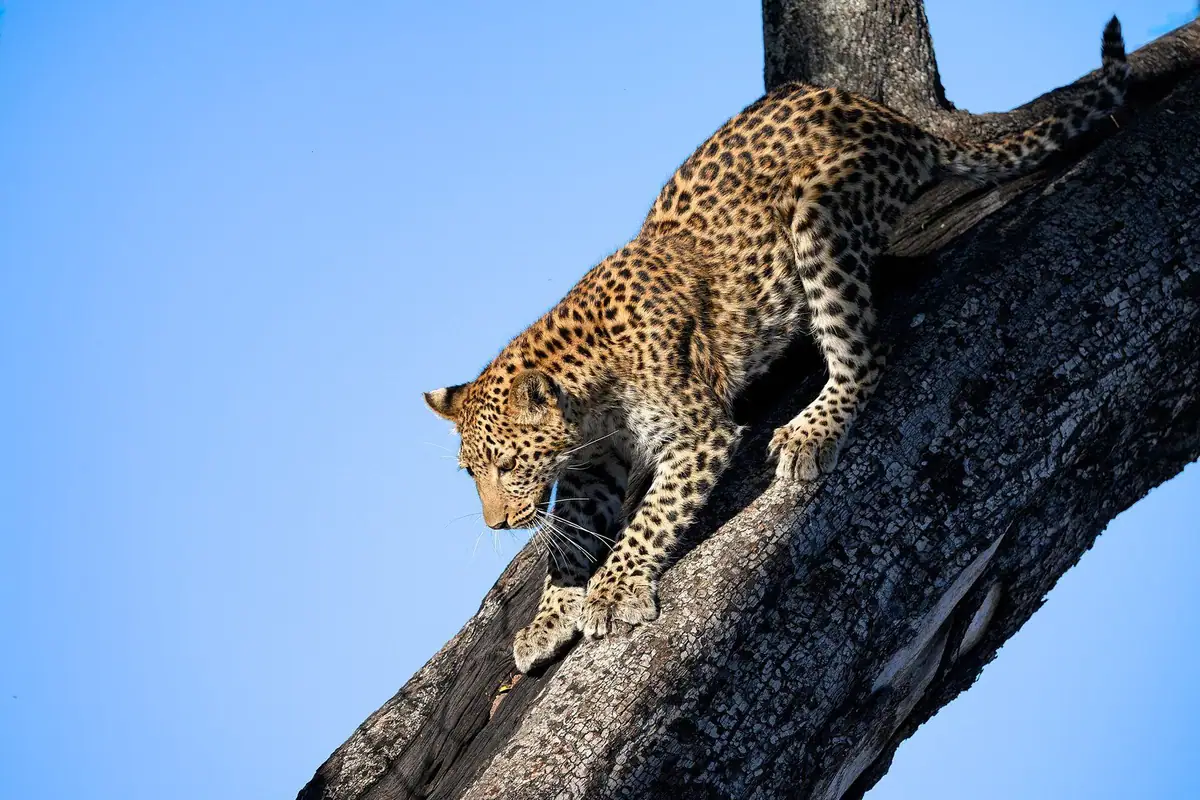
An hour with a leopard, and not one other vehicle. That is what the concessions buy.On why Botswana costs what it does
Keep reading
- The Linyanti — elephant on the river, wild dog and night drives
- The Selinda Reserve — the spillway, walking and canoe safaris
- Savuti — Chobe’s lion country, beside the concessions
- Chobe National Park — the public park alongside these concessions, and how they differ
- The Signature Collection — what a private-concession camp costs and includes
- The Okavango Delta — water camps, and why the two are usually combined
Tell us what you want this journey to feel like.
Not just what you want to see. Send a few lines about who is travelling and roughly when, and we will come back to you with something written for you rather than pulled off a shelf.