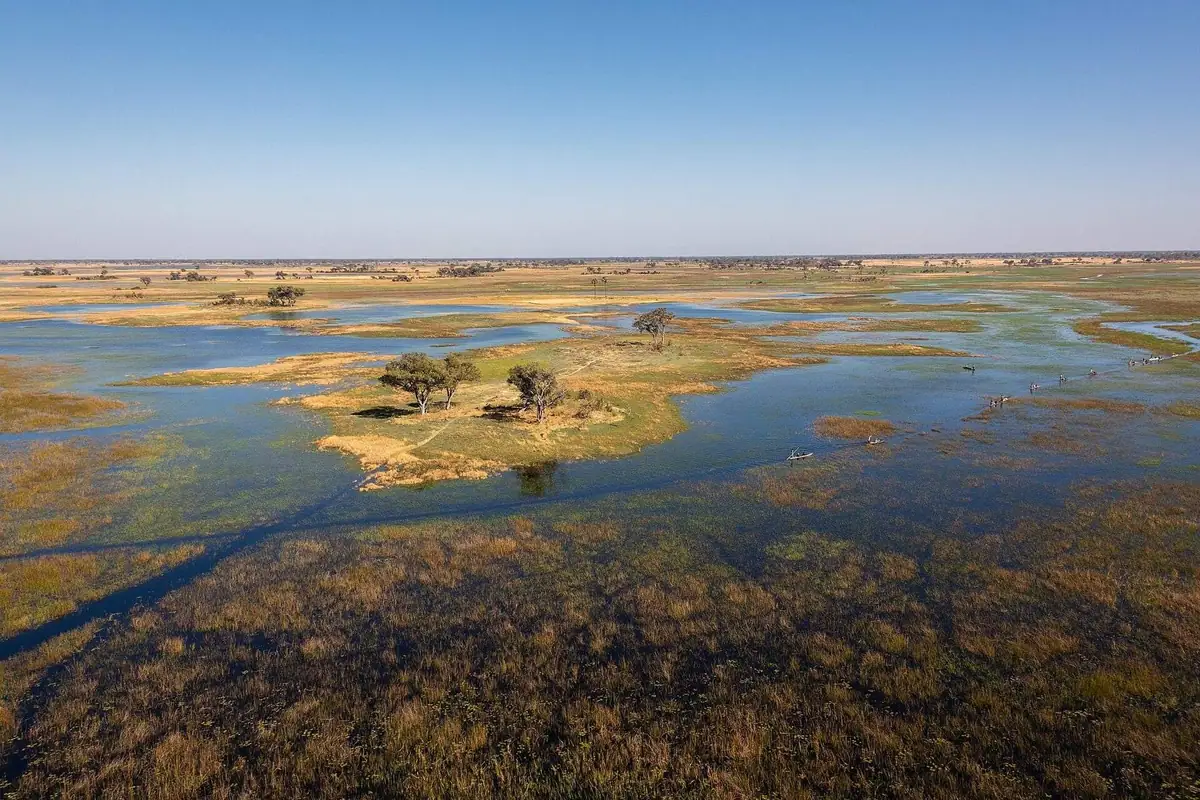
Luxury, fully hosted, inside the private concessions.
Premier camps of six to twelve tents in Botswana’s private concessions, all internal transfers by light aircraft, and a Safari Host from arrival to departure.
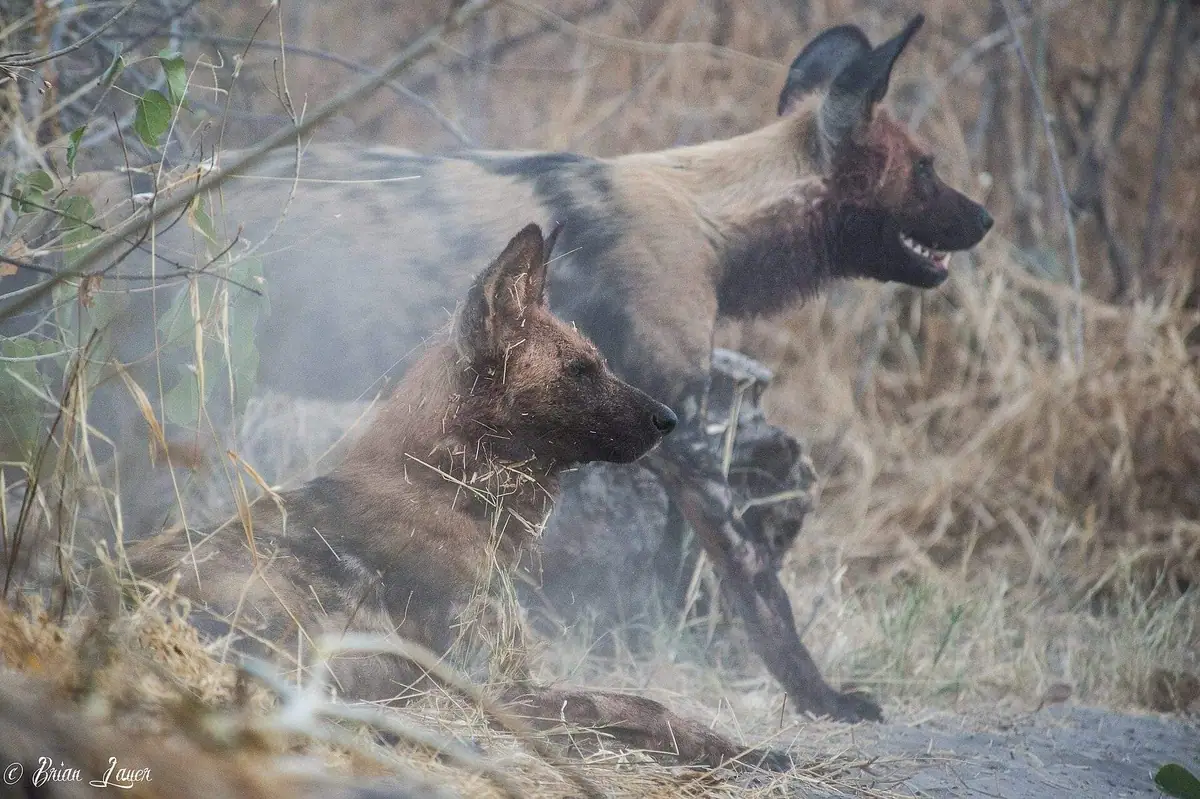
Night drives, walking safaris, and nobody else at the sighting.
Botswana leases enormous private concessions to a small number of operators, on strict terms and with tight bed limits. Inside them the national park rules do not apply, which means you can drive after dark with a spotlight and walk with an armed professional guide — two of the best things you can do on a safari.
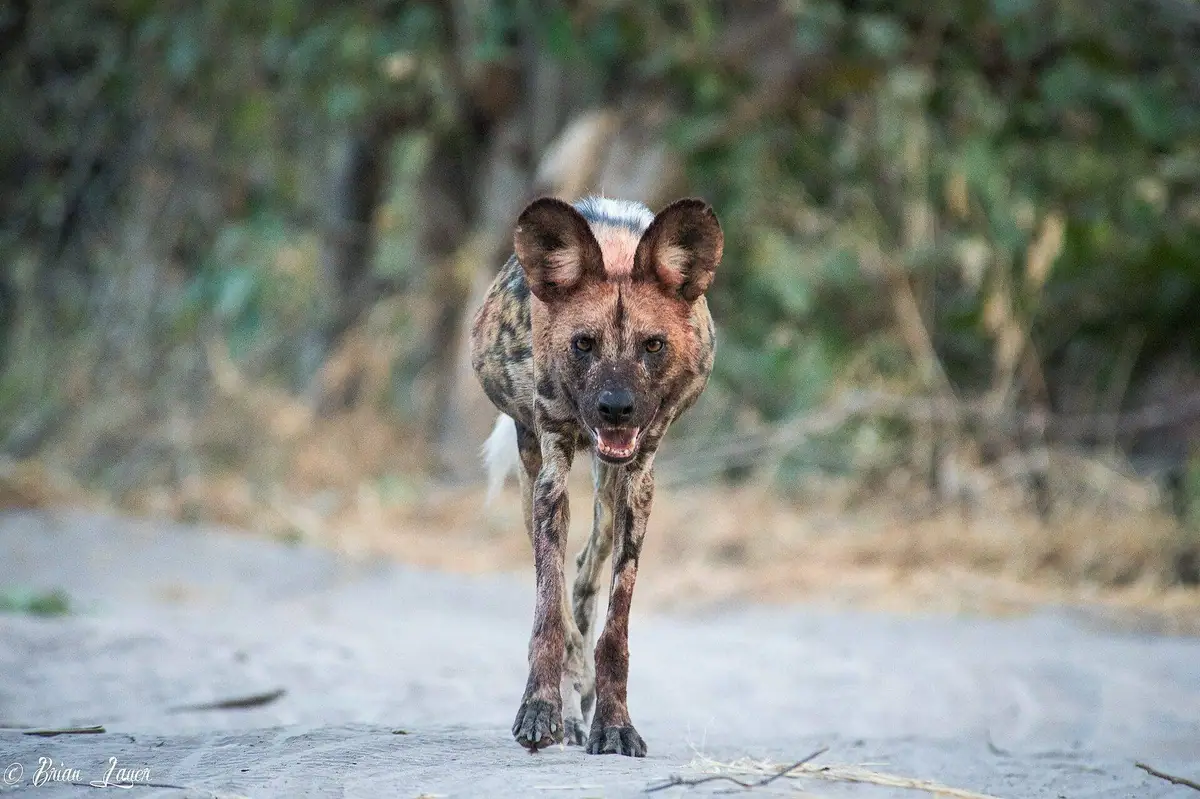
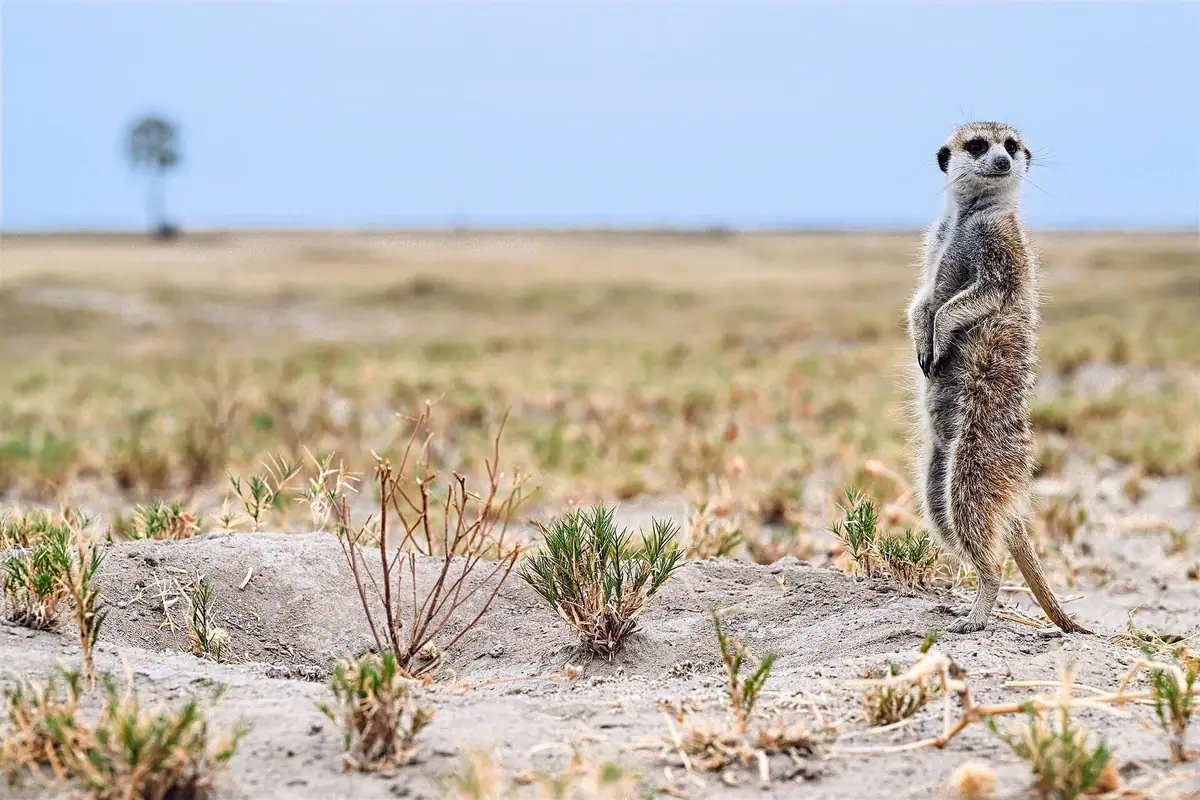
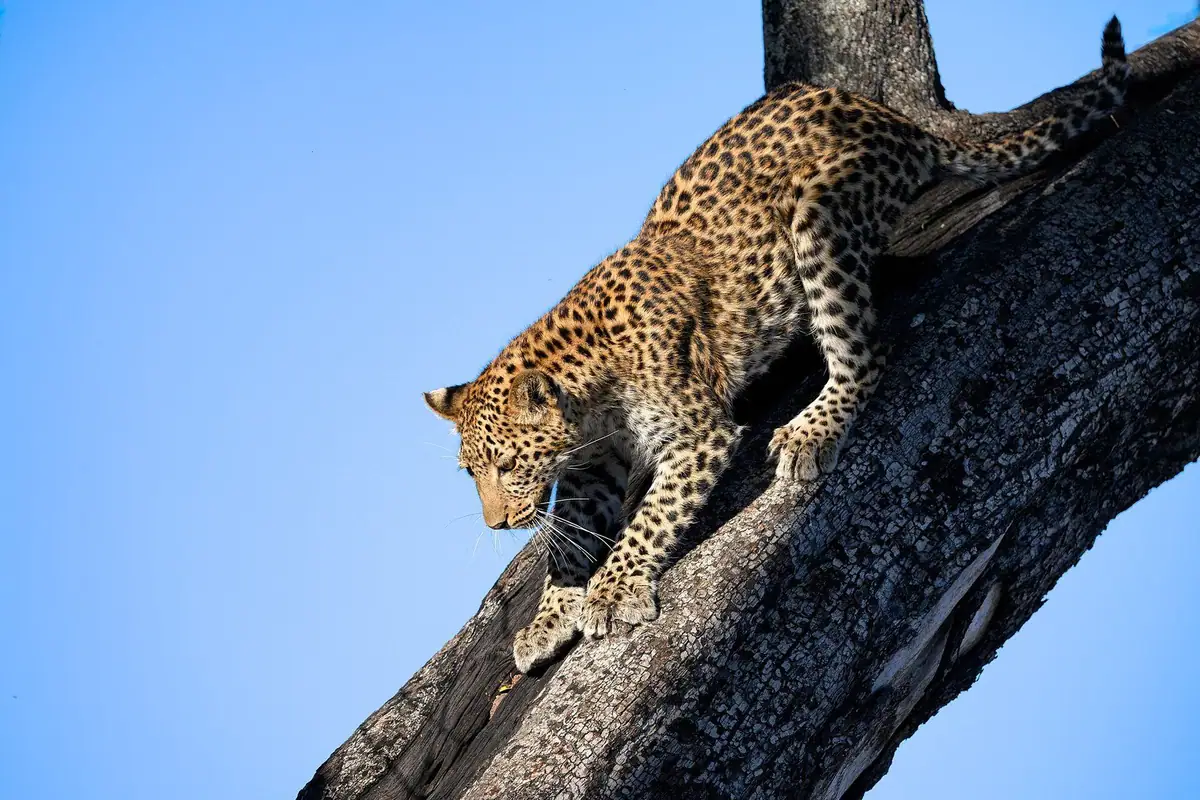
It also means vehicle density collapses. Linyanti, Selinda and the Delta’s water concessions run at a fraction of the traffic you would meet in a park, and it is entirely normal to spend an hour with a leopard and never see another vehicle.
It is an expensive way to travel, and worth being honest about why: you are paying for space and for permission, not for a better room.
Journeys in the Signature Collection
Every journey below is a private departure and can begin any day of the year. Open one for the day-by-day plan — and treat each as a starting point we expect to rewrite around you.
Indicative from-rates are per person per day, excluding international flights, and vary by season. Compare all four collections, or ask a Travel Designer for a quotation against your dates.
What Signature adds.
All transfers by light aircraft
No long road days. Every leg is flown, which buys you time in camp and gives you the Delta from the air between each one.
Night drives and walking safaris
Permitted in the private concessions where national parks do not allow them. Two entirely different ways to see the same country.
A Safari Host, arrival to departure
One person who handles every transfer, check-in and detail for the length of the journey, so you never manage logistics.
The Signature Collection, answered.
What does a private concession actually give me?
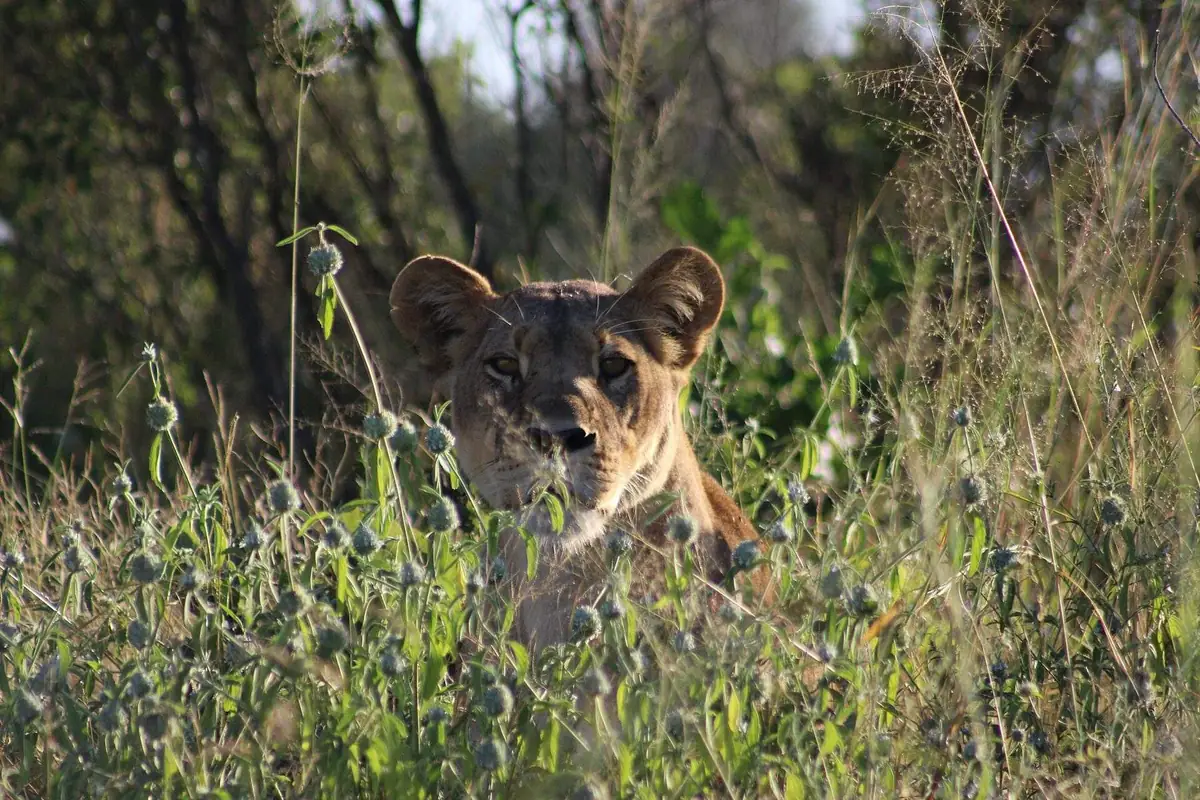
Three things national parks cannot. Night drives with a spotlight, which is when a great deal of Botswana’s wildlife is active. Guided walking safaris with an armed professional guide. And very low vehicle density: a concession the size of a small country with three camps in it, so you do not share your leopard with anybody.
How small are these camps?
Six to twelve tents, typically. That means twelve to twenty-four guests in an area measured in hundreds of square kilometres. It also means the camp learns your name, your coffee and your bedtime within a day.
What does the Safari Host do?
Everything you would otherwise have to think about. They meet you at Maun or Kasane and stay with you to departure — every transfer, every check-in, every light-aircraft connection, every dietary note, every preference passed ahead to the next camp. Guests usually notice them most on the day something goes wrong and nothing appears to.
Is all the flying a problem?
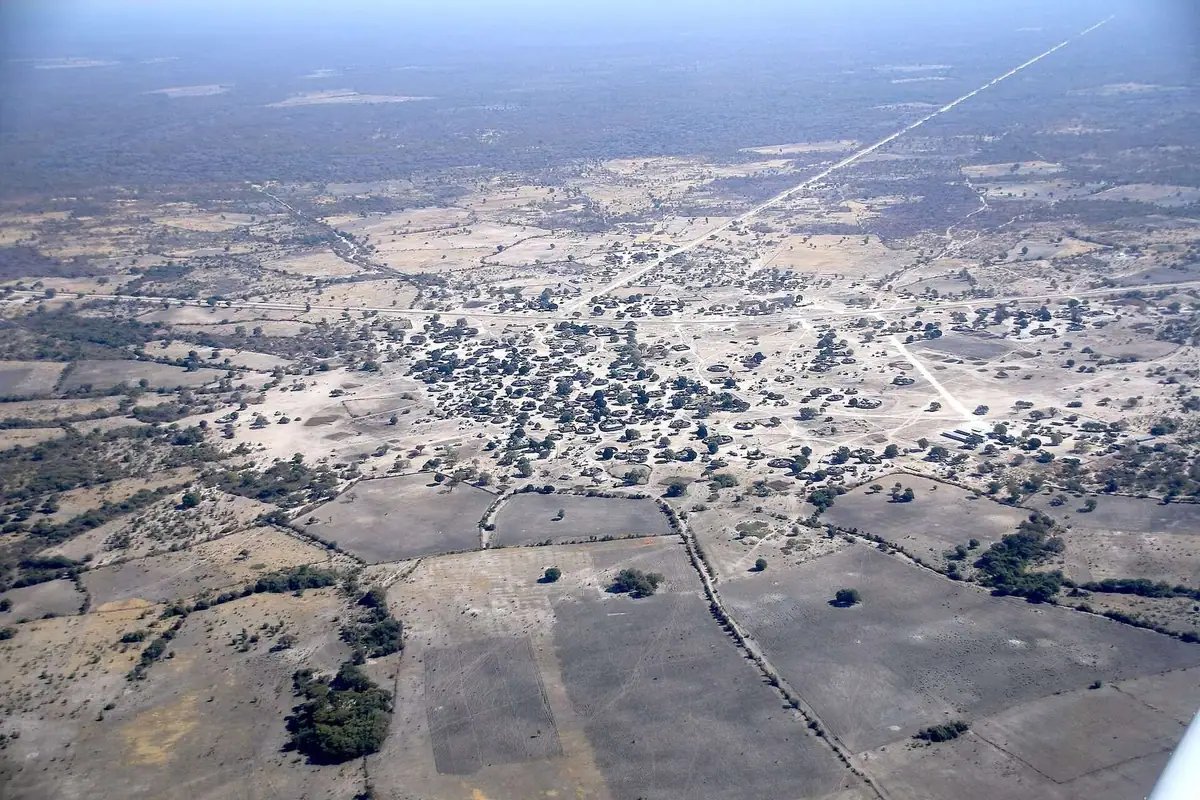
It is part of the experience rather than a cost of it. The Okavango from a thousand feet, with the channels drawn out below you, is one of the sights of the trip. Light aircraft have strict soft-bag weight limits — usually around 20kg — and we brief you on that before you pack. All internal flights on our journeys are carbon offset.
Is this the right tier for a honeymoon?
Usually, yes. Small camps, private decks, sleep-outs on a star bed, a private dinner arranged without anybody announcing it. See themed journeys for how we shape it.
Tell us what you want this journey to feel like.
Not just what you want to see. Send a few lines about who is travelling and roughly when, and we will come back to you with something written for you rather than pulled off a shelf.