The Zebra Migration
- 6 days
- Makgadikgadi · Nxai Pan
- December–March only
- from USD 450 pp/day
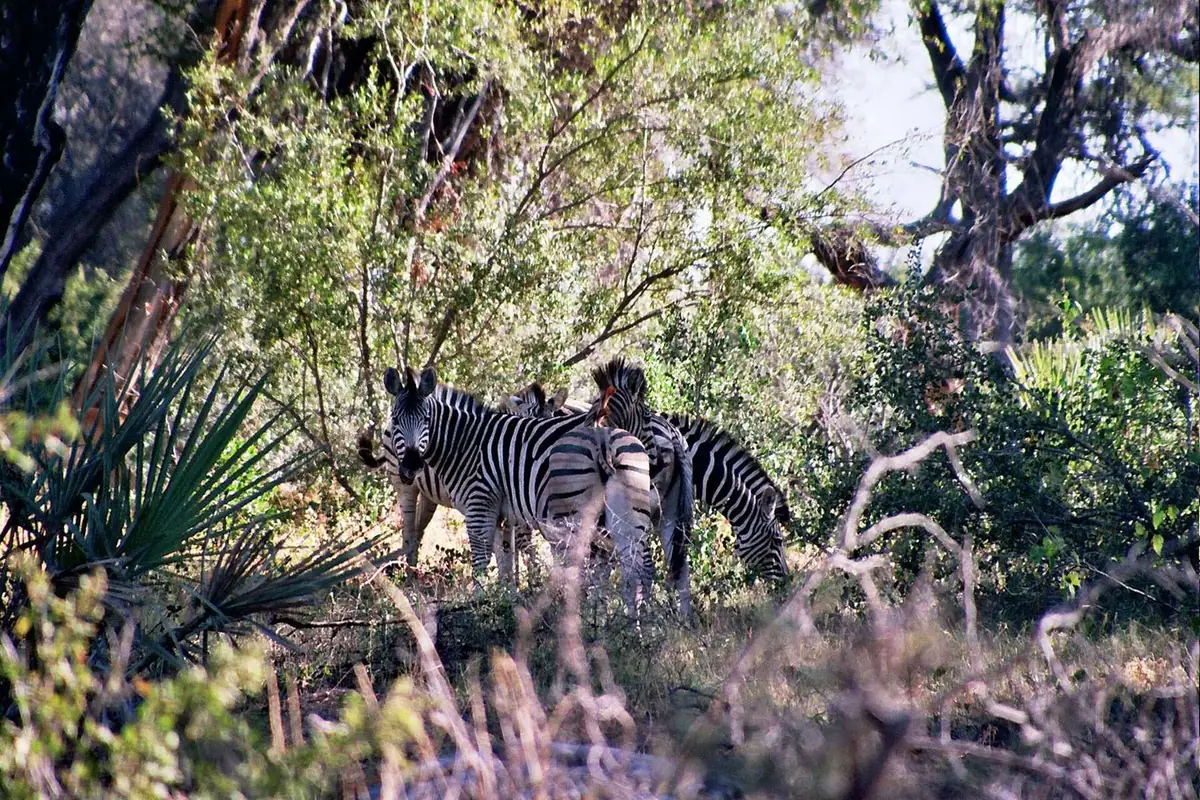
Almost nobody outside Botswana knows this migration exists. It is the longest terrestrial mammal migration in Africa — longer, end to end, than the Serengeti's — and it runs between the Makgadikgadi grasslands and Nxai Pan when the summer rains arrive.
The rains transform the pans. Ground that is white, cracked and lifeless in October is green grassland by January, and the zebra arrive in tens of thousands to foal on it. Newborns everywhere, lion and cheetah working the edges of the herds, and skies that build into the kind of storm light photographers plan whole trips around.
It falls in the green season, when rates run up to forty per cent below peak. You are trading thicker bush and afternoon rain for newborn animals, better light and a much lower bill.
How the days run
- Day 1Arrive in Maun and transfer to the Makgadikgadi. Afternoon on the grasslands as the herds gather.
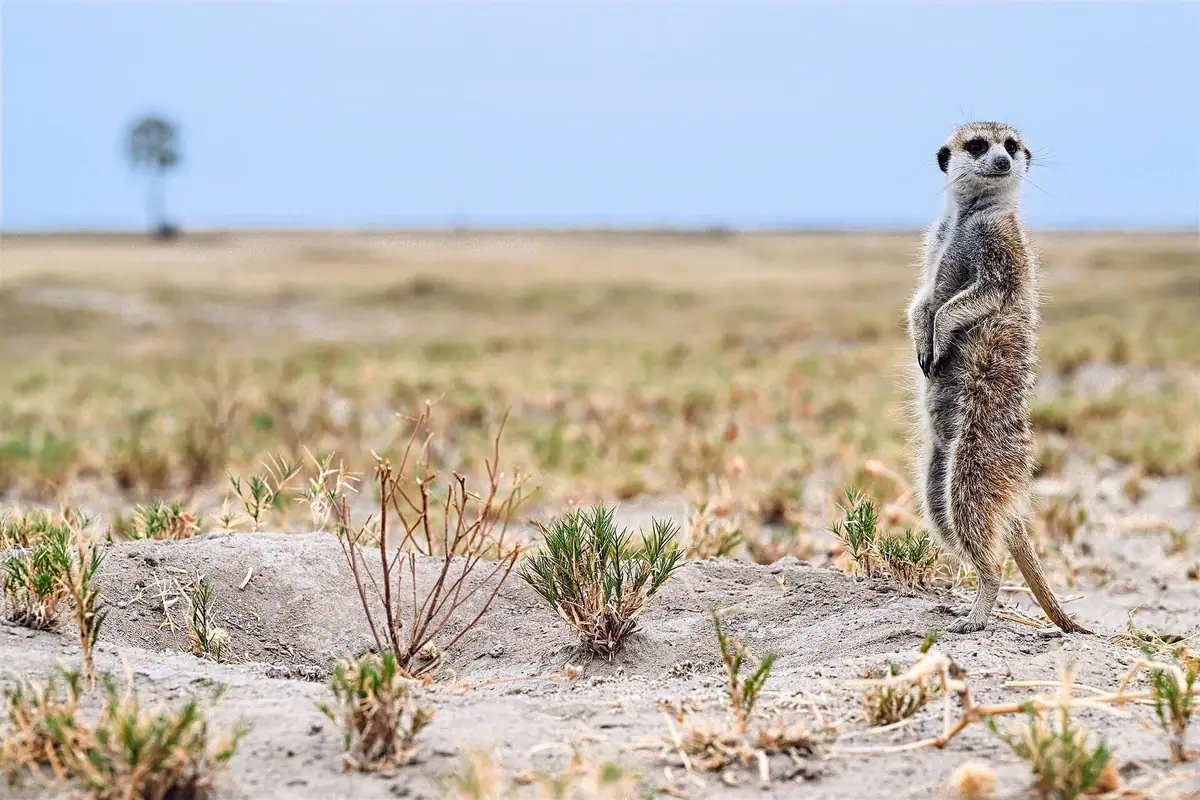
- Days 2–3Two full days with the migration — zebra in numbers, newborn foals, and the cheetah and lion that follow them. Habituated meerkats in the morning.
- Day 4North to Nxai Pan, stopping at Baines' Baobabs — seven trees that have stood on the edge of the pan for well over a thousand years.
- Day 5A full day at Nxai Pan. The herds concentrate at the waterholes and the predator action is at its best.
- Day 6A final morning drive, then the road back to Maun.
- Best monthsDecember to March only — the migration follows the rain and does not wait
- Where you sleepComfortable tented camps on the Makgadikgadi and at Nxai Pan
- Who it suitsPhotographers, birders, value-conscious travellers, and anyone who would rather see something few visitors ever do
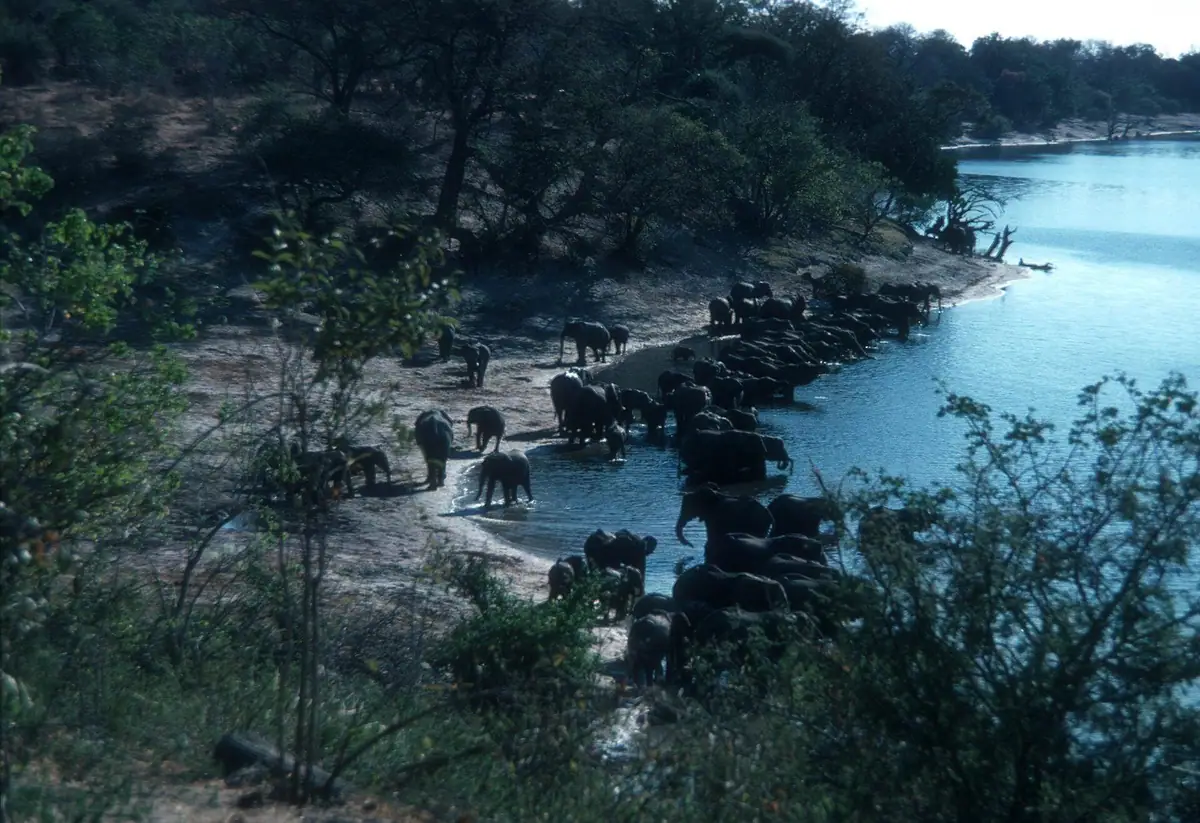
- Who it may not suitAnyone travelling between April and November, when the herds have moved on, or first-timers set on the big dry-season elephant herds of the Chobe river.