Honeymoon, family and photographic safaris in Botswana, shaped around a purpose.
A family safari is not a shorter version of a couple’s safari, and a photographic safari is not an ordinary one with better light. These are the ones we plan differently.
Honeymoons & Romance
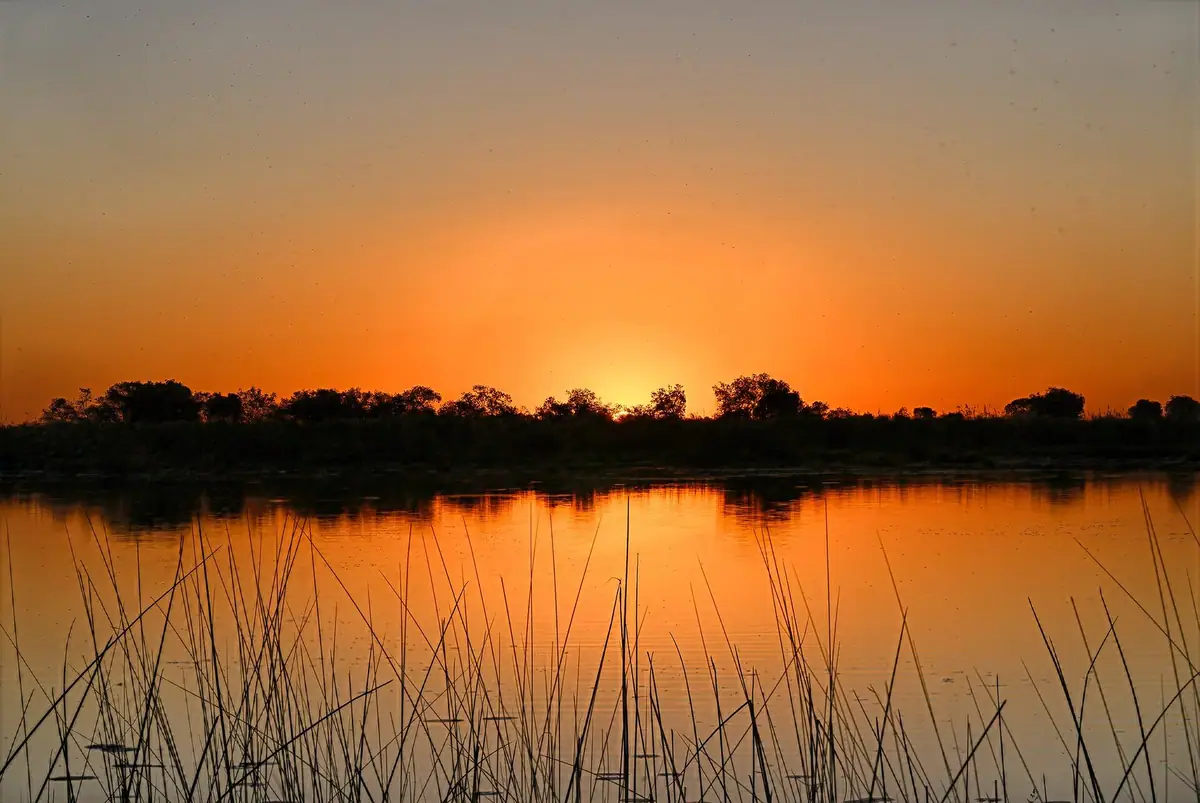
The best arrangements are the ones nobody announced. We tell the camp in advance and then say nothing, so the private dinner on the deck and the bottle waiting in the room simply happen.
- Private dinners on a Delta deck, arranged ahead and never trailed
- Sleep-outs on a star bed, under a sky with no light pollution
- Later starts, because a honeymoon is not a game-viewing competition
- Registry service available for legal ceremonies and vow renewals
- Small camps of six to twelve tents, where the staff learn your names on day one
Families & Multigenerational
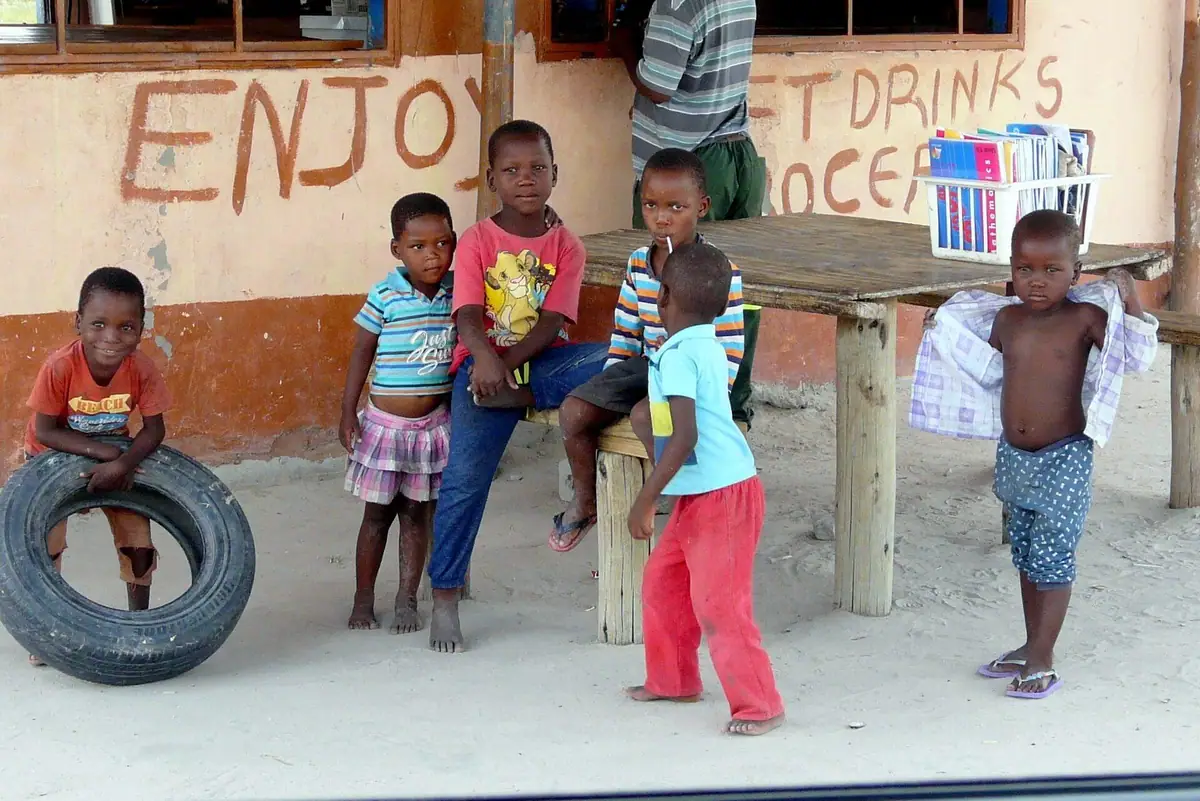
What ruins family safaris is a schedule built for adults. Children do not want eleven hours in a vehicle, and pretending otherwise makes everyone miserable by day three.
We build shorter drives, longer pool afternoons, and camps that actually welcome children rather than merely tolerate them.
- Camps checked for whether the family room actually sleeps four
- Exclusive-use vehicles, so nobody worries about disturbing other guests
- Junior ranger programmes and guides who are good with children
- Grandparent-friendly pacing and mobility-appropriate camp selection
- Honest advice on minimum ages, because some camps and activities really do not suit
- Easy-access options such as the Chobe river from Kasane and the Tuli Block, a drive from Johannesburg
Photographic Safaris
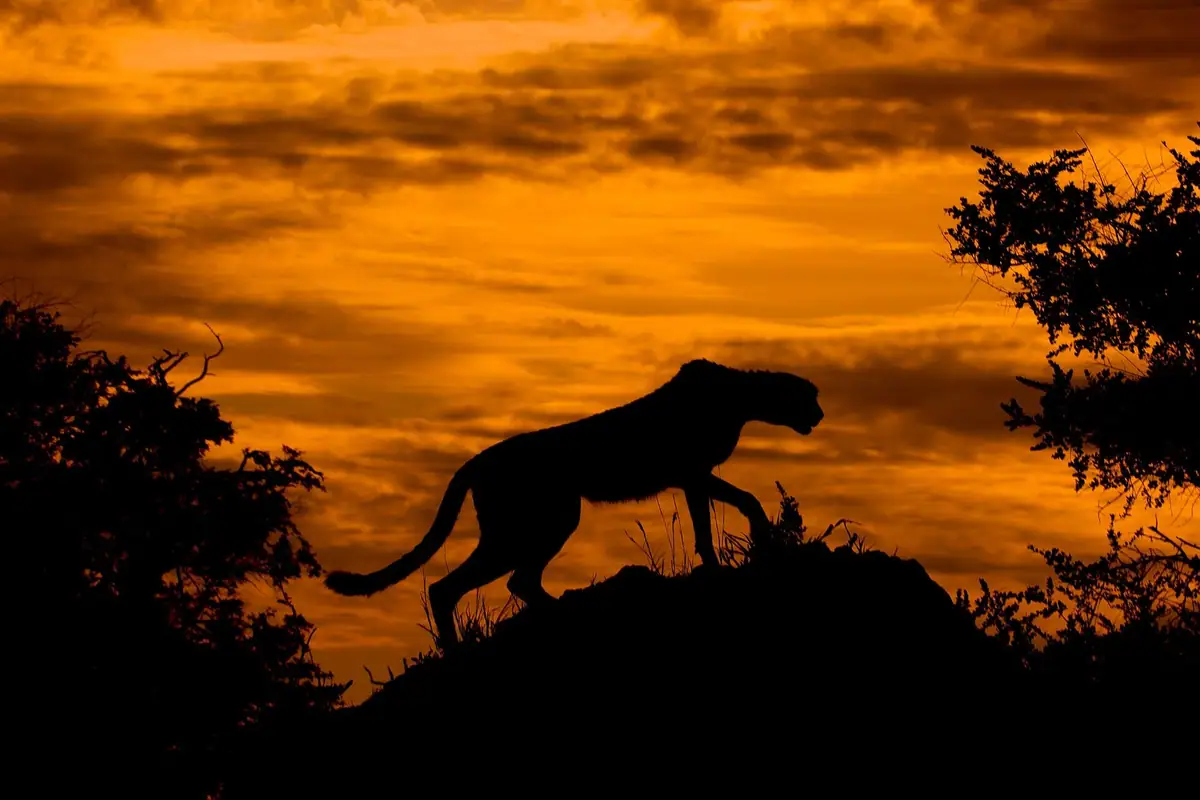
A different vehicle, a different guide and a different day. It also needs a guide who understands why you want to sit with one cheetah for two hours instead of finding four more animals.
- Custom vehicles with bean bags, gimbals and charging
- Specialist photographic guides who shoot themselves
- Low-angle hides, and permitted night photography in the private concessions
- Positioning planned around light rather than distance
- Small-group departures with named photographers, run annually
Women’s Journeys
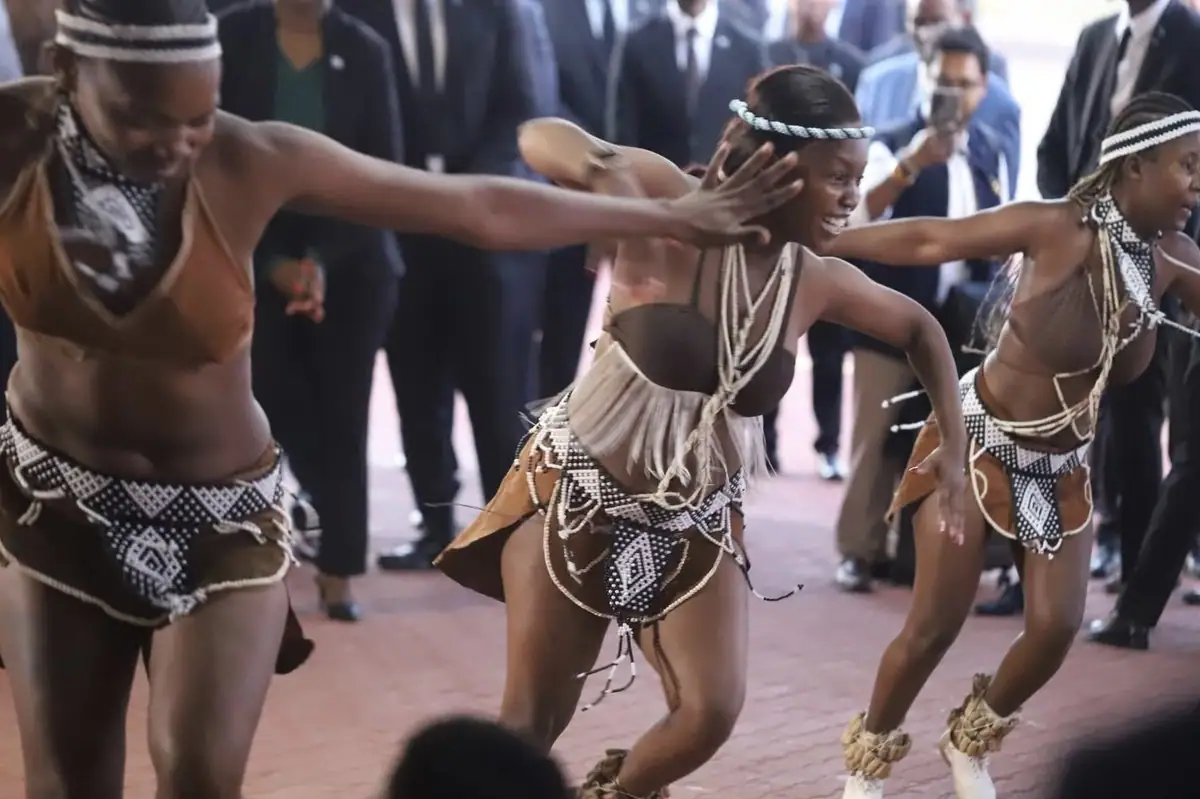
Small-group departures led by female Batswana guides — still uncommon in southern African guiding, and something we have deliberately invested in.
- Led by certified female Batswana guides
- Visits to Batswana women’s craft cooperatives and conservation initiatives
- Reduced single supplements, and camps we know to be sociable
- Available as a private departure for a group travelling together
Wellness in the Wild
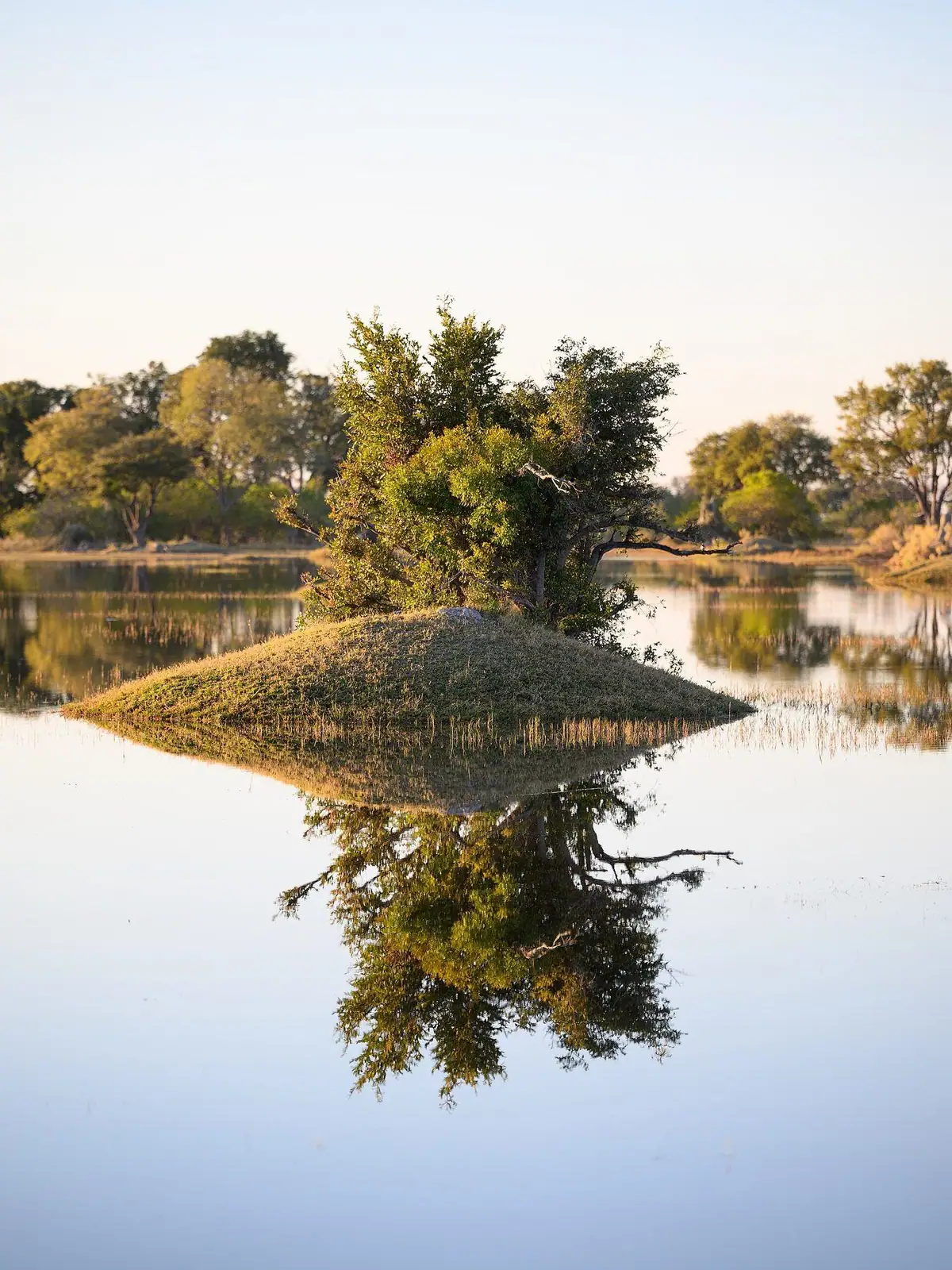
Slow travel, deliberately. A maximum of two camps in ten days, no dawn alarm unless you want one, and routing chosen for stillness rather than mileage.
- Bush yoga and spa treatments in camp
- Sleep-focused itineraries with later starts and unhurried days
- Digital-free routing, in camps where there is genuinely no signal
- A maximum of two camps in ten days — unpack once and stay
Solo Travellers
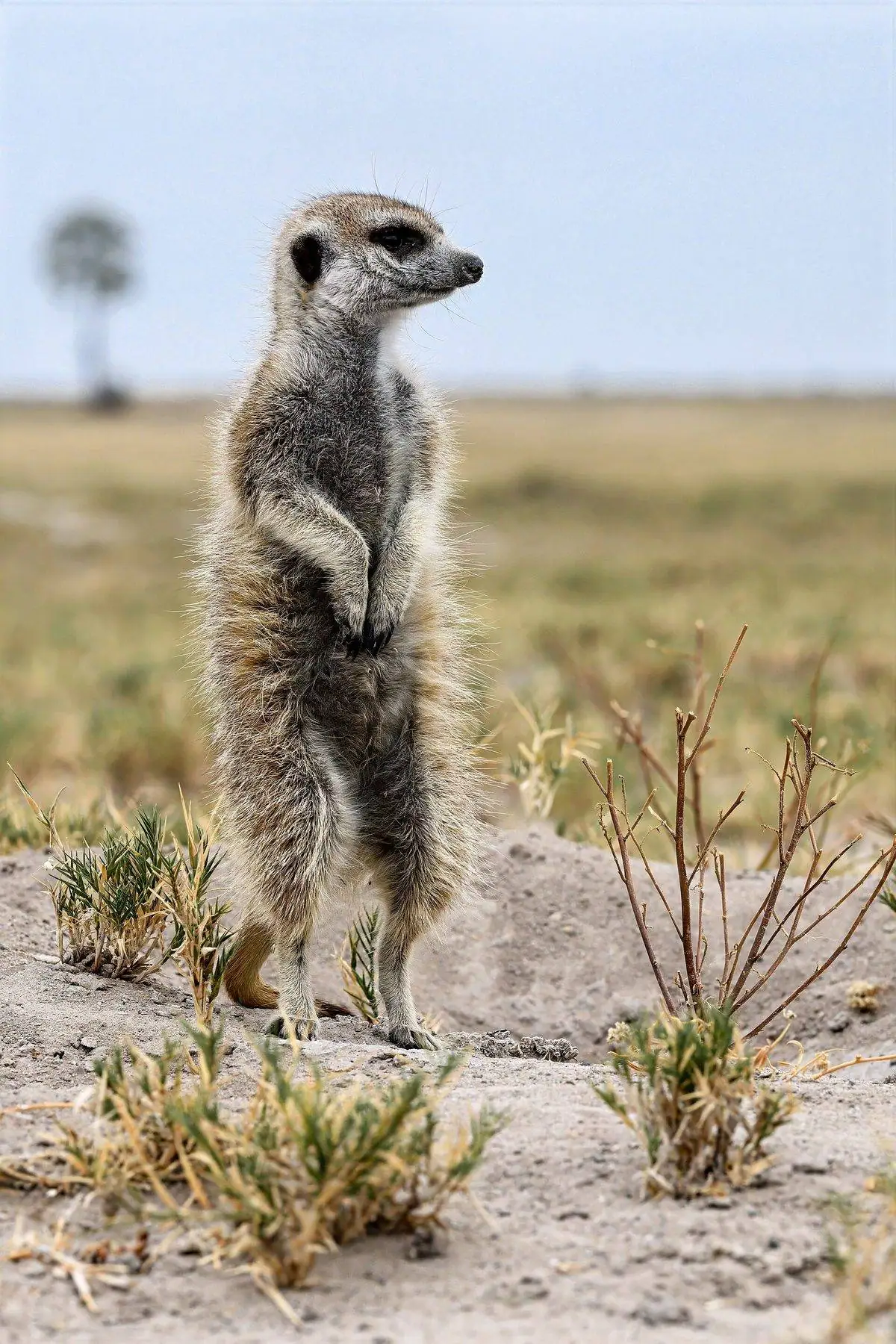
Botswana suits solo travellers better than almost anywhere, because the camps are small enough that you are part of a table rather than lost in a dining room.
- Reduced single supplements, and waived entirely in some seasons
- An assigned host who checks in through the journey
- Camps selected for being sociable rather than isolating
- Shared-vehicle or private-vehicle options, whichever you prefer
Birding & Specialist Natural History
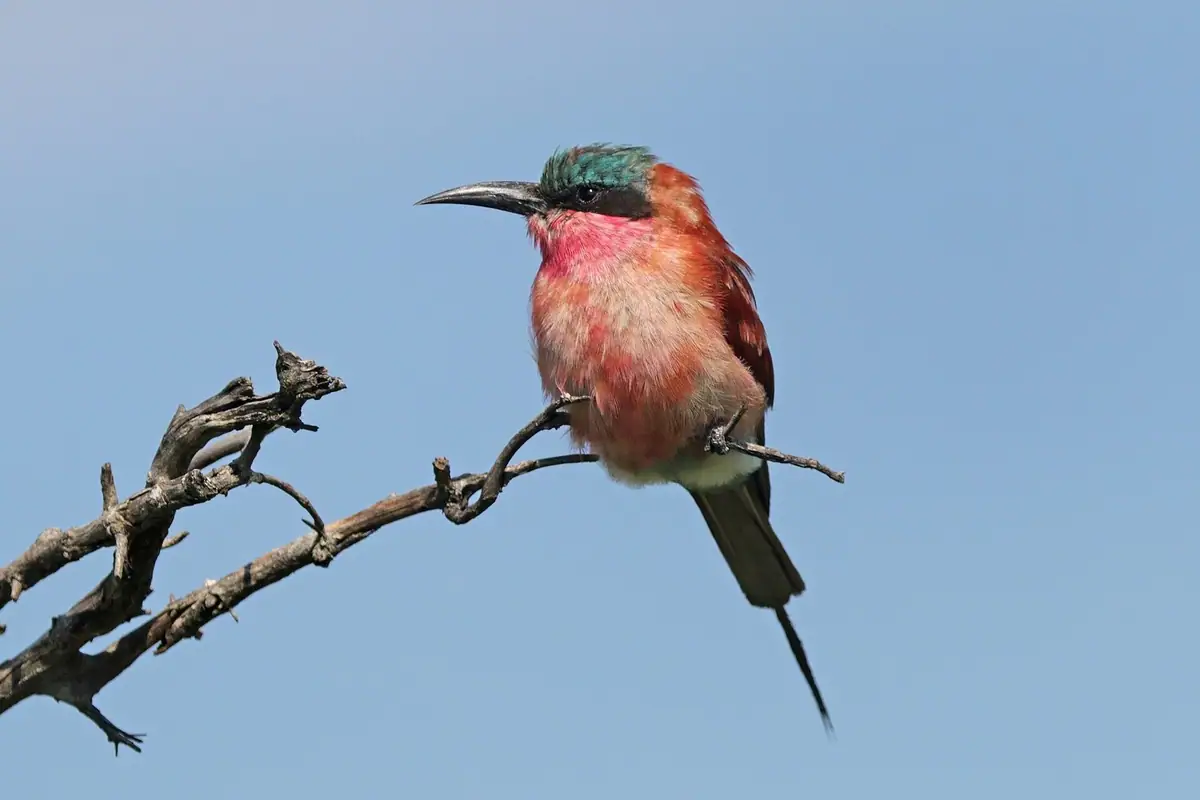
More than 500 species recorded, and a delta that turns into one of the great birding wetlands of the world when the flood is up and the migrants arrive.
- Okavango panhandle and seasonal floodplain routing
- Expert ornithologist guides, booked well ahead
- Carmine bee-eater colonies and the summer migrants, September to March
- Boat-based birding, which gets you closer than any vehicle
Conservation & Culture
Access arranged through relationships rather than bought as a product. What is available depends on where you are and what is happening that week — and we will not promise you a research camp we cannot actually open.
- Time with anti-poaching units and, where appropriate, research projects
- Elephant and rhino conservation work in Chobe and the Delta
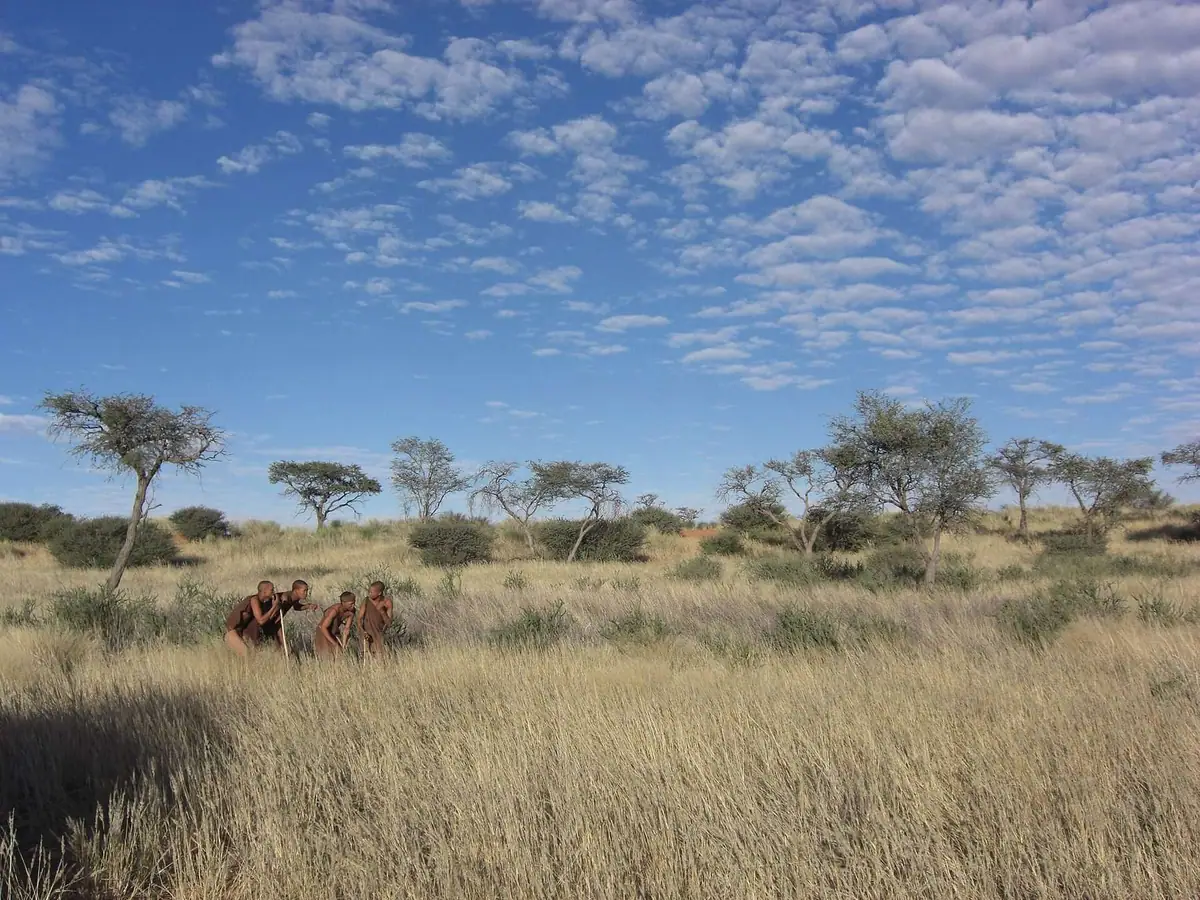
- San communities in the Kalahari, on their terms and paid directly
- The UNESCO rock art of the Tsodilo Hills, with a local guide
Accessible Safaris
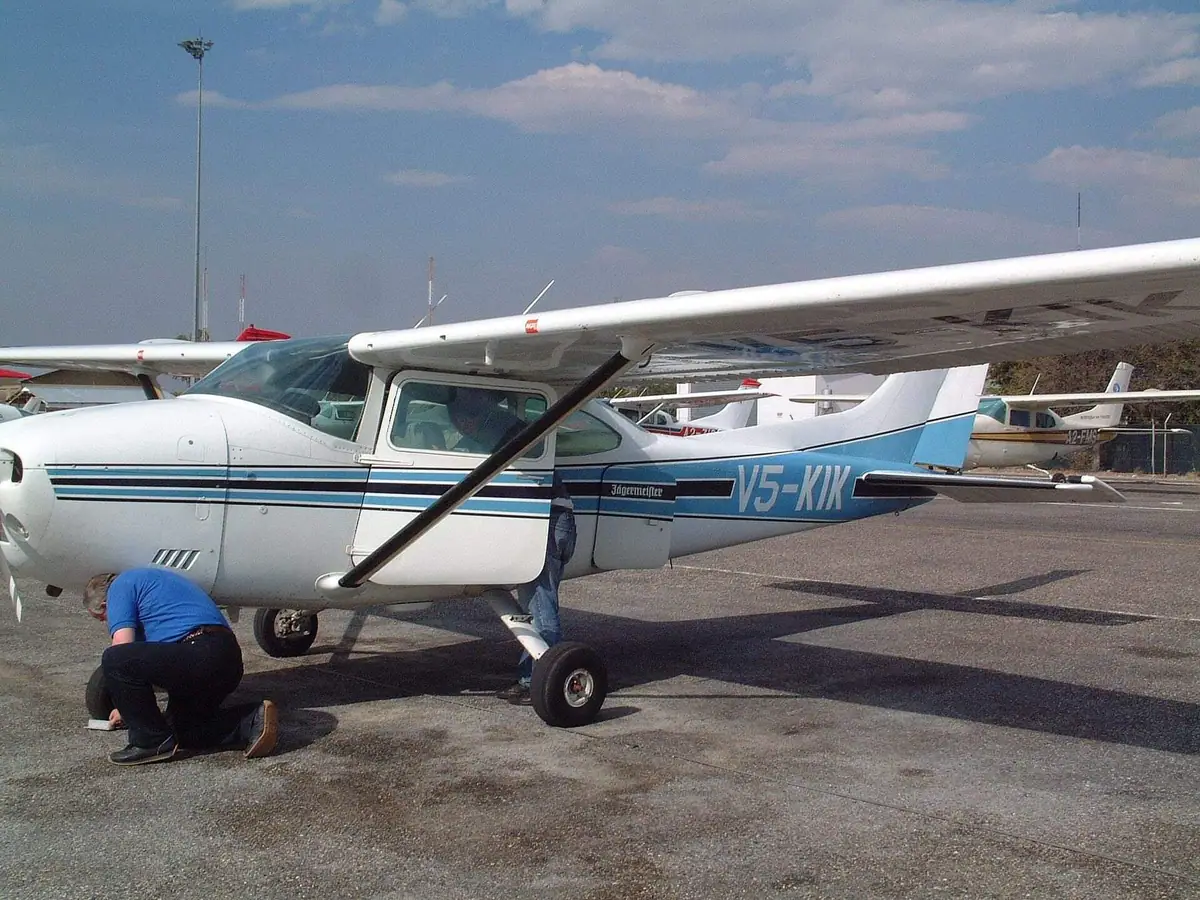
Botswana is harder than most safari countries for guests with limited mobility, because of the light aircraft and the decking. It is not impossible, and we would rather plan it properly than send you somewhere unsuitable.
- Camps audited by us for genuine mobility access
- Vehicles adapted where required
- Routing arranged to minimise light-aircraft transfers
- Candid advice about what will and will not work on your dates
Small Groups & Incentives
Up to twenty-four guests, with a dedicated operations lead on the ground and event management handled from Maun.
- Exclusive-use camp buy-outs, which remove almost all the friction
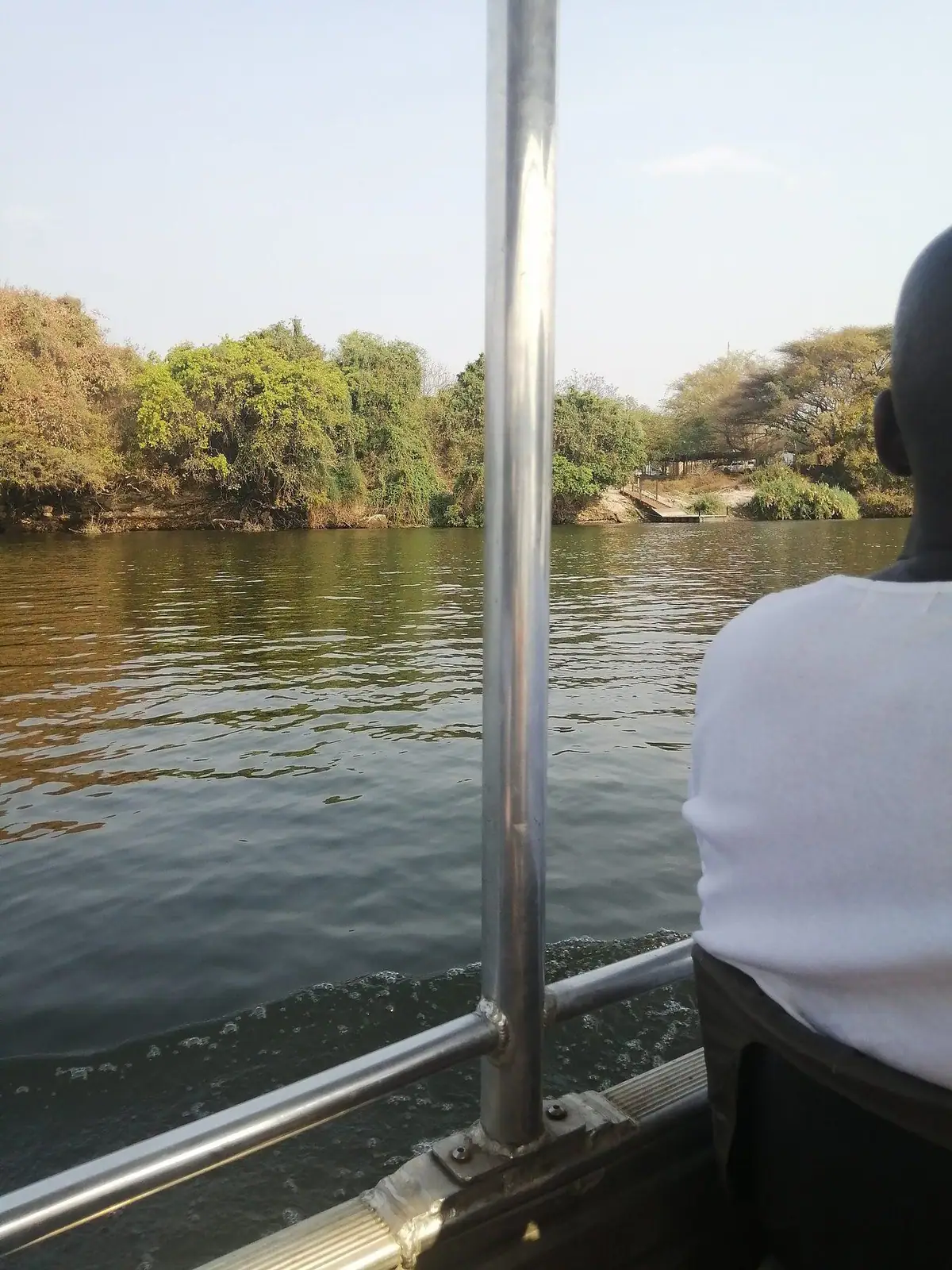
- Private charters between camps, on your schedule
- Milestone birthdays, family reunions and corporate incentive parties
- A single point of contact from first enquiry to final invoice
The questions these journeys raise.
What age can children go on safari in Botswana?
It depends on the camp and the activity. Many camps take children of any age; some set a minimum of six or eight in the main areas; walking safaris, mokoro trips and helicopter flights usually require twelve or older. The Chobe riverfront and the eastern Delta are the most family-friendly parts of the country. Tell us ages and we will check every camp on your shortlist rather than assume.
Do you reduce or waive single supplements?
Reduced on most journeys and waived entirely in some seasons, particularly green season. We also steer solo guests toward camps we know to be sociable rather than isolating — a small camp with a shared dinner table is a very different experience from a large lodge where you eat alone.
What makes a photographic safari different?
A vehicle with bean bags, gimbals and charging; a specialist photographic guide who shoots themselves and understands why you want to sit with one cheetah for two hours; positioning planned around light rather than distance; low-angle hides; and permitted night photography in the private concessions. It usually also means fewer guests per vehicle, or a private one.
Can you arrange a proposal or a wedding?
Yes. The good ones are the ones nobody announced: we brief the camp ahead and then say nothing, so the private dinner on the deck or the sleep-out under a star bed simply happens. Registry service is available for legal ceremonies; tell us early, because there is paperwork and notice involved.
How accessible are Botswana's camps?
More variable than anywhere else in the trip. Many camps are raised on decking with steps and sand paths; light aircraft involve a step up and a tight cabin. We maintain notes on which camps are genuinely mobility-accessible, can arrange adapted vehicles, and can route to minimise flying. We will be candid about what will and will not work.
How large a group can you handle?
Up to twenty-four guests with a dedicated operations lead, multiple vehicles and private charters. Above about a dozen we usually recommend a camp buy-out: it removes most of the friction, because mealtimes, vehicles and dining all become yours to decide rather than negotiate.
Travelling for a particular reason?
Tell us what it is. The reason for the journey usually changes the itinerary more than the budget does.